
Dihward: Uncovering the Hidden Gems of a Unique Destination
Tucked away from the mainstream tourist trail lies a lesser-known destination that holds an enchanting blend of cultural history, natural wonders, and local charm — Dihward. Often overshadowed by more commercialized regions, Dihward offers a travel experience rich in authenticity, serene landscapes, and heartfelt human connections. This destination is not just a dot on the map; it is a canvas painted with centuries of heritage and natural beauty that travelers yearn for but rarely find.
TLDR: Why You Should Discover Dihward
If you’re seeking a destination untouched by overcrowded tourism, Dihward is a hidden gem worth exploring. It’s a place where cultural richness meets natural tranquility, offering immersive experiences in history, art, and nature. This article reveals some of the most compelling reasons to visit Dihward, from ancient ruins and scenic valleys to welcoming locals. Ideal for thoughtful travelers looking for something off the beaten path.
The Untold Story of Dihward
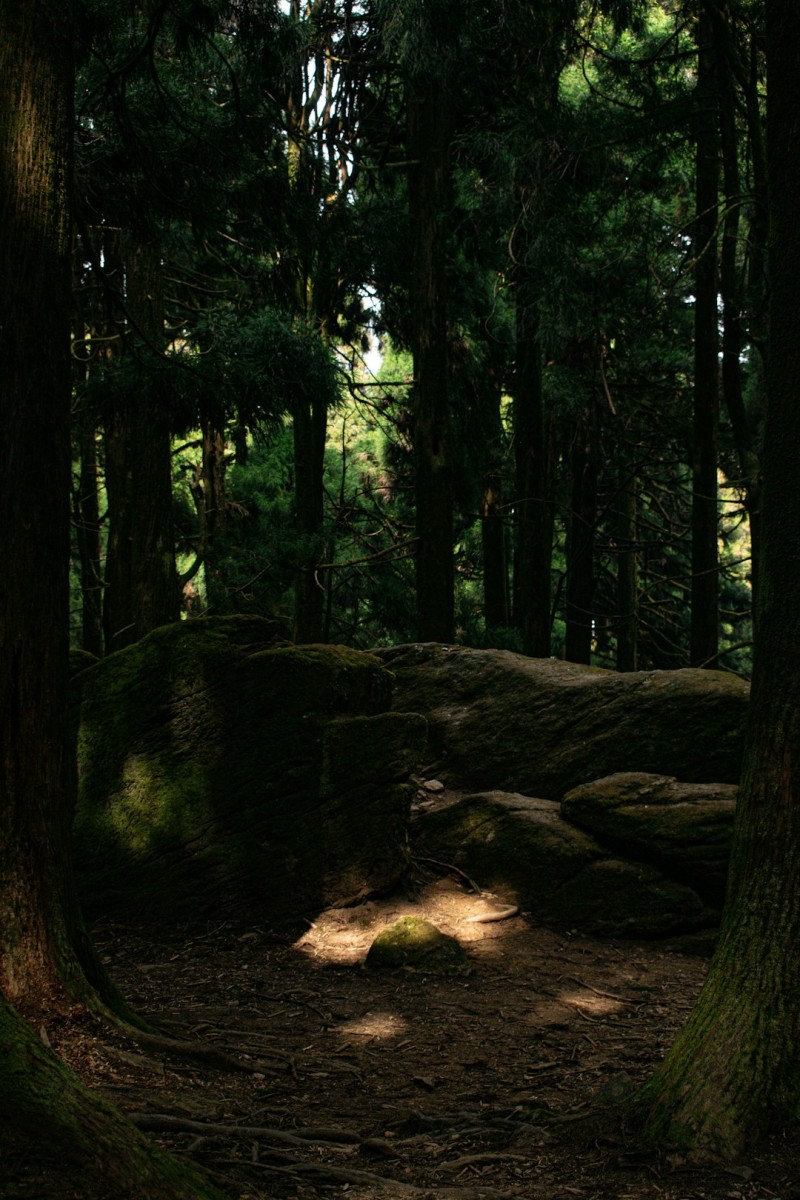
Dihward’s history is as layered and intricate as its magnificent topography. Once a seat of ancient civilizations, the region is scattered with ruins that whisper stories from centuries gone by. Local legend has it that Dihward was a strategic trade post during the early medieval period due to its unique location — nestled between mountainous ridges and sprawling grasslands.
What sets Dihward apart is not only its largely undocumented history but also the way in which time seems to have preserved its cultural heritage. Local dialects, traditional crafts, and even age-old festivals remain largely unchanged, providing a portal into a world that has slipped through the fingers of global modernization.
Top Attractions in Dihward
Although relatively unknown, Dihward boasts a variety of attractions that cater to many interests — from history buffs to nature lovers. Here are just a few highlights:
- Vehlor Ruins: An archaeological marvel, these ruins date back to the 8th century and provide an unforgettable glimpse into early urban planning and architecture.
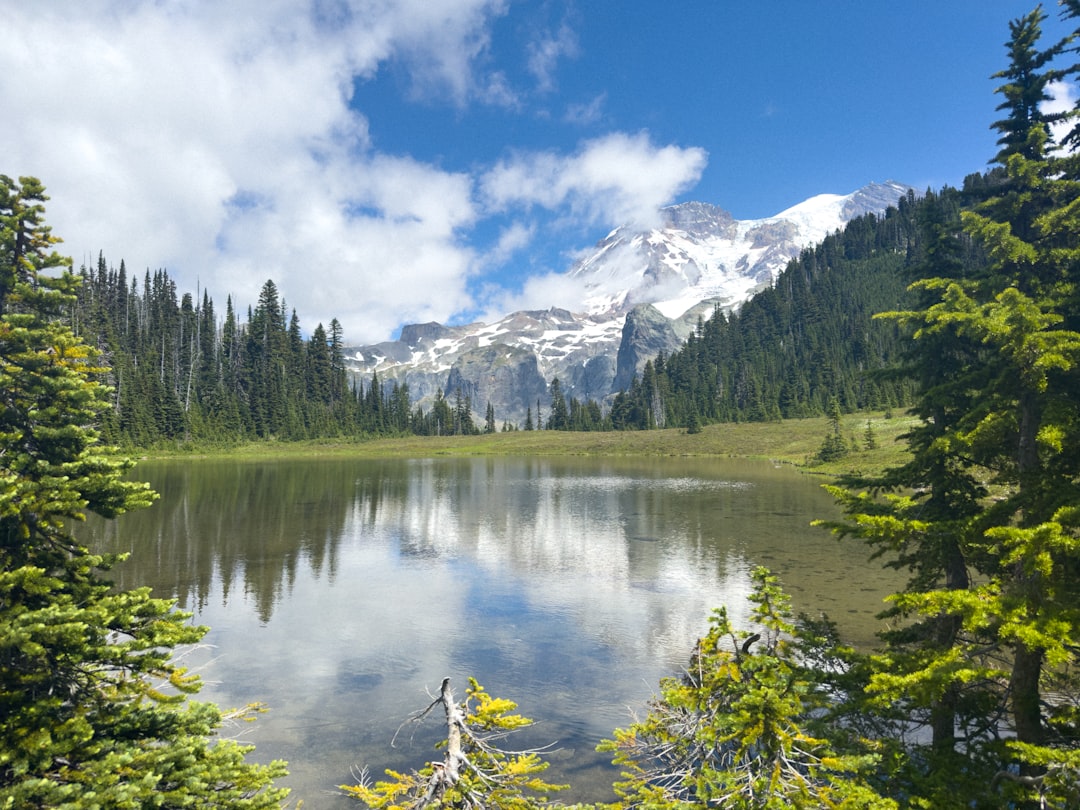
- Lake Marnil: A tranquil high-altitude lake surrounded by pine forests and wildflowers. Ideal for reflection, photography, and bird watching.
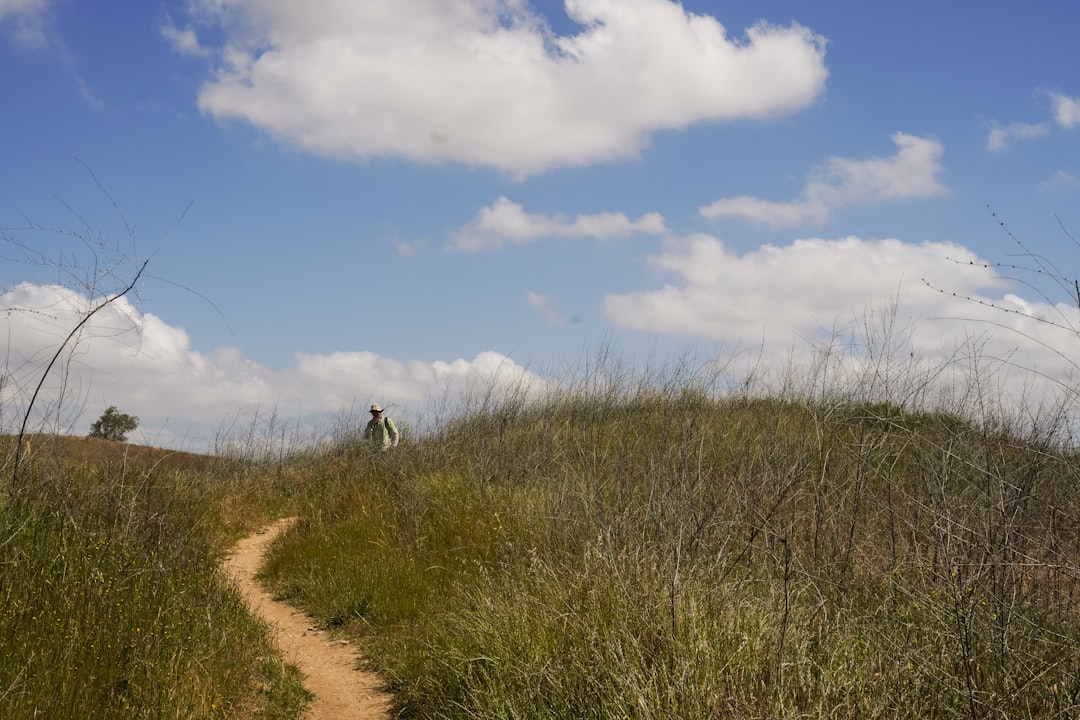
- Mount Greshem Trail: A moderate hiking path offering sweeping views of the valley. Along the way, you’ll encounter local flora and fauna unique to this ecosystem.
- Srana Market: A bustling local market famous for handmade textiles, organic herbs, and Dihward’s signature clay pottery.
Culture, Craft & Community
The heartbeat of Dihward lies in its community. Known for their warmth and hospitality, the locals of Dihward are eager to share their traditions with visitors. One of the most enduring aspects of Dihwardi culture is its artisan community. Generational crafts such as intricately woven fabrics, wood carvings, and ceramic work are still made using traditional methods with minimal modern advancement.
Visitors often remark on the communal spirit that permeates Dihward’s villages. Meals are communal, guests are treated like family, and festivals are celebrated with an inclusive enthusiasm that welcomes outsiders warmly.
Don’t Miss These Cultural Experiences:
- Pottery Workshops: Understand the art and skill behind Dihward’s unique glazed ceramics which use natural pigments from the surrounding hills.
- Traditional Music Nights: Local musicians play folk instruments passed down generations during evening festivals or village gatherings.
- Harvest Festival (Yulveh): Held every mid-autumn, the Yulveh festival is a sensory delight of local cuisine, music, and storytelling.
Natural Wonders and Outdoor Adventures
Nature thrives in Dihward in a way that’s increasingly rare in today’s world. Much of the region remains undeveloped, offering raw, untouched landscapes teeming with biodiversity. Whether you’re looking for a peaceful retreat or a bit of outdoor adventure, Dihward delivers in spades.
The Duhreen Forest Reserve is a must-see. It is home to many endemic species and operates under a conservation-first principle, prohibiting motorized vehicles and promoting guided walking tours only. For avid hikers, the Three Sisters Rock Formation offers rewarding climbs and panoramic vistas that truly capture the essence of Dihward’s natural majesty.
Getting There and Getting Around
Accessing Dihward is part of the adventure. The closest airport is in Narnu City, about 120 kilometers away. From there, travelers can take a regional bus line or hire a local guide with a private jeep to begin their journey through forested roads and winding mountain passes.
Once in Dihward, walking is the preferred method of transport within villages and heritage sites. For longer distances, local “dhalar carts” (eco-friendly, horse-drawn carriages) provide scenic and sustainable mobility. The slow pace of transportation also encourages deeper interaction with the land and its people, aligning well with the rhythms of Dihward life.
Responsible Tourism and Sustainability
Dihward has actively resisted overdevelopment, placing sustainability and community well-being at the heart of its tourism approach. Initiatives such as limited-entry heritage sites, zero-waste accommodations, and community-managed eco-tourism projects allow visitors to experience the area responsibly.
Tourists are encouraged to:
- Bring reusable water bottles and avoid single-use plastics.
- Support local homestays and artisans rather than overseas tour operators.
- Respect local customs, including dress codes during festivals and holy days.
Accommodations and Local Cuisine
Dihward offers a surprisingly cozy range of accommodations, most of which are family-run guesthouses, homestays, or eco-lodges. Staying in a traditional stone house offers an immersive experience where you not only rest comfortably but also contribute directly to the local economy.
The regional cuisine is equally captivating. Known for its simplicity and flavor, Dihwardi food features locally grown ingredients like root vegetables, wild greens, and hand-ground spices. Don’t miss the dish “Mavren stew,” a hearty combination of lentils, tubers, and smoked herbs, or “Tareek bread,” baked in clay ovens and served warm with herbal ghee.
Final Reflections
Dihward promises not just a destination, but a deeply rooted experience. While it may lack the glossy brochures and tourist infrastructure seen in better-known locations, what it offers is far more enriching — authenticity, community, and a rare serenity that’s hard to come by in today’s fast-paced world.
It is a place where time slows down, where landscapes roll out like painted tapestries, and where every interaction deepens your understanding of a culture still deeply connected to its roots.
For those who yearn for genuine connection and a renewed appreciation for the world, Dihward is not just worth visiting — it’s essential.

