

Why 192/24 Matters in 2025: High-Res Audio Explained
As the world of audio technology continues to evolve rapidly, terms like high-resolution audio and 192/24 are becoming increasingly relevant in consumer discussions. In the digital age of 2025, listeners are demanding more fidelity from their music, prompting a closer look at what makes high-res audio so impactful—and why 192 kHz/24-bit has become a gold standard.
TLDR (Too Long, Didn’t Read)
High-resolution audio is about delivering music in a format that captures all the nuance and detail of the original studio recording. The 192 kHz/24-bit specification offers superior sound quality compared to traditional CD audio, making it important for audiophiles and casual listeners alike. As streaming platforms and hardware advance in 2025, 192/24 is quickly becoming more accessible and relevant. Whether you’re using high-end headphones or a home audio system, 192/24 audio ensures you’re hearing music as the artist intended.
What is High-Resolution Audio?
High-resolution audio refers to music that is captured and reproduced at a quality higher than the standard CD resolution, which is 44.1 kHz/16-bit. “192/24” specifically means a sampling rate of 192 kHz and a bit depth of 24 bits. These numbers represent how often audio data is sampled per second and how detailed each sample is, respectively.
- Sampling Rate (kHz): Higher rates capture a broader frequency range, allowing for more accurate sound reproduction.
- Bit Depth (bit): More bits means more dynamic range and less noise during playback.
In simpler terms, the sound is clearer, richer, and more immersive, which is especially noticeable when listening through high-quality equipment.
Why 192/24 Matters in 2025
In 2025, more consumers have access to high-speed internet, advanced audio hardware, and high-res streaming platforms. These technological advancements make it not only possible but practical to enjoy high-resolution audio in everyday settings. The 192/24 format is now a realistic option for home and mobile listeners, not just professionals in recording studios.
Moreover, streaming services like Tidal, Qobuz, and Apple Music now offer high-resolution streaming tiers, and even YouTube Music and Spotify are joining the high-res movement. This broad adoption is turning 192/24 from a niche feature into a mainstream expectation.
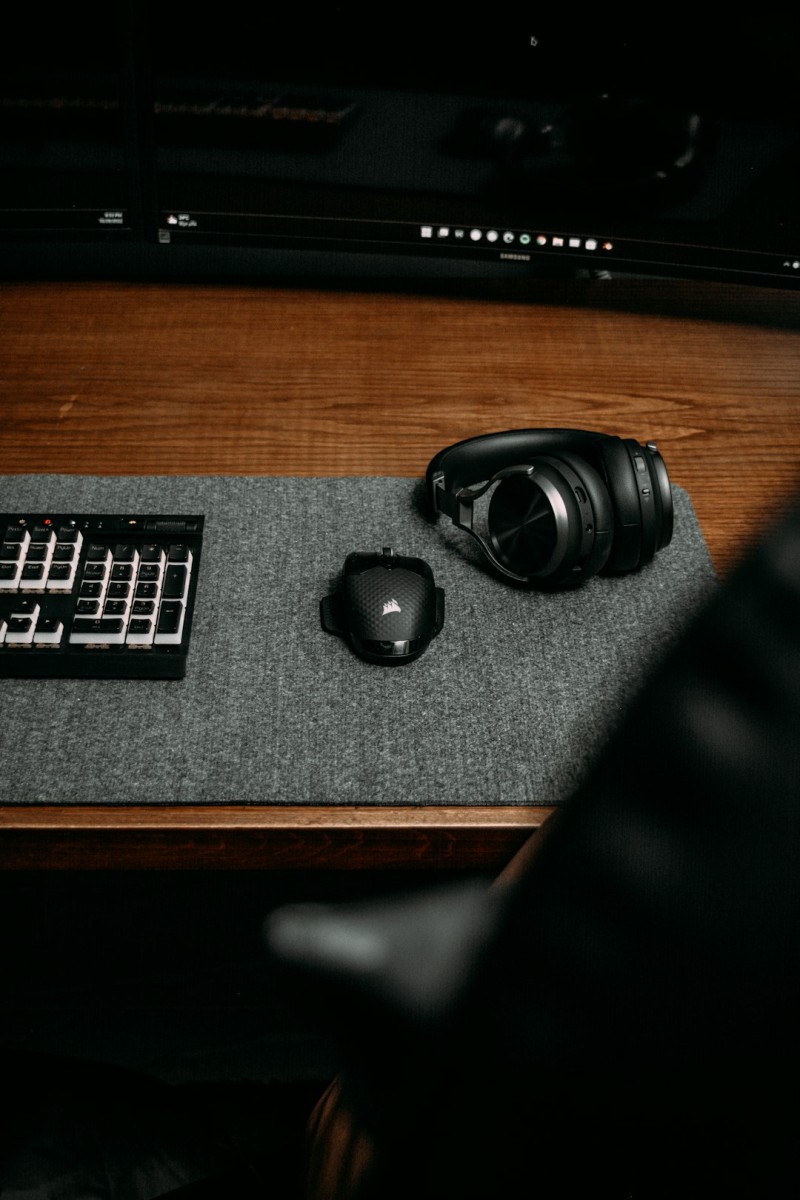
Technical Advantages of 192/24
To appreciate the importance of 192/24, it’s helpful to consider what it offers over standard formats. Here’s a breakdown:
- Wider Frequency Range: While humans generally hear up to 20 kHz, capturing above that range can improve clarity and spatial perception.
- Increased Dynamic Range: 24-bit audio supports up to 144 dB of dynamic range, compared to 96 dB from 16-bit. This results in deeper bass, cleaner highs, and less distortion.
- Reduced Quantization Noise: With higher bit depth, the noise floor is pushed further below the threshold of hearing, enhancing subtle details in music.
The net result is an audio experience that is closer to what artists and producers intended when they recorded and mixed the track.
Debunking the Myths
Some critics argue that 192/24 audio is overkill, pointing to the limitations of human hearing or minimal perceivable differences in blind tests. However, many of these critiques ignore the cumulative effect of high-fidelity elements working together—lossless encoding, quality DACs (digital-to-analog converters), good speakers or headphones—and how they impact the listening experience.
Also, just like HD video formats benefit from higher bitrates (and viewers notice), audio, too, can achieve a level of realism and intimacy that lower formats simply can’t match. The difference may be subtle but becomes apparent over time with regular listening.
Hardware That Supports 192/24
One major reason that 192/24 is relevant in 2025 is because the ecosystem is finally ready for it. From USB DACs and DAPs (digital audio players) to flagship smartphones and smart speakers, more devices now support high-res audio playback natively.
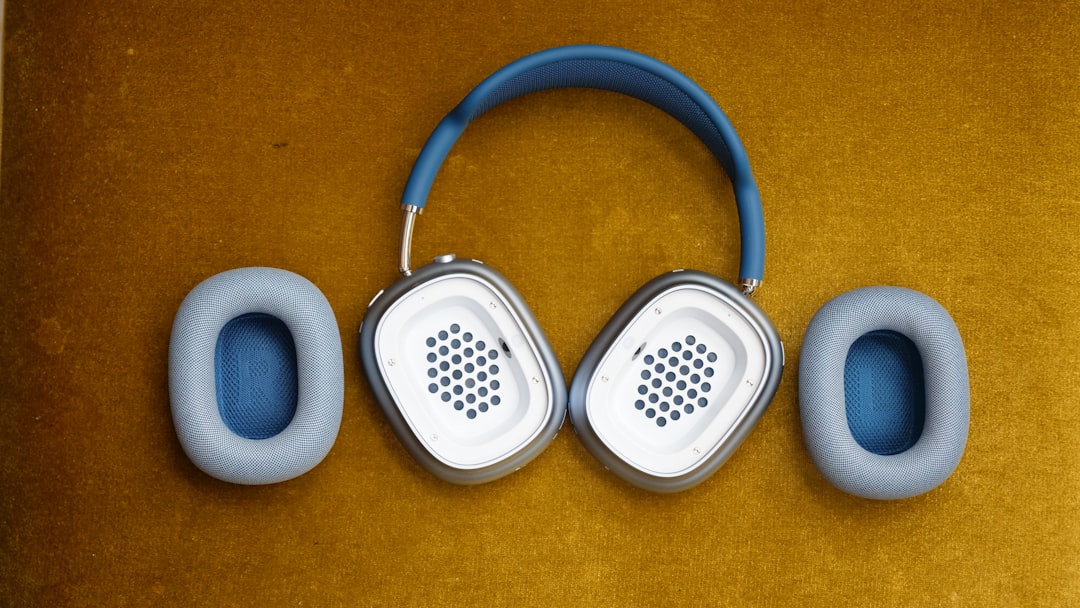
Here are some of the device categories that support 192/24:
- High-end smartphones with dedicated DAC chips
- Wireless headphones with LDAC or aptX Adaptive codecs
- Standalone Digital Audio Players with native 192/24 decoding
- AV receivers and soundbars with HDMI eARC and Hi-Res support
As more devices adopt these standards, the value of 192/24 becomes clearer to average consumers—not just audiophiles and studio pros.
Music Distribution and Streaming
In the past, accessing high-res audio required downloading massive FLAC or WAV files from niche platforms. In 2025, streaming services have caught up.
Here are a few platforms that currently offer—or plan to offer—192/24 streaming:
- Tidal HiFi Plus with Master Quality authenticated (MQA) or FLAC streams
- Qobuz Studio Sublime with native 192/24 FLAC downloads and streaming
- Apple Music offering 192 kHz/24-bit ALAC files as part of Apple Lossless
- Amazon Music Unlimited with Ultra HD tier covering high-res tracks
This level of access was unimaginable just a few years ago, but in 2025, it’s becoming typical—especially among subscribers looking for immersive, quality-first audio experiences.
Is 192/24 Right for Everyone?
Not everyone will perceive a dramatic difference between 192/24 and CD-quality audio, especially if they’re using budget earbuds or streaming over Bluetooth SBC. However, for those using good equipment and committed to musical detail, 192/24 provides more resolution, headroom, and emotional depth.
It’s not just about being “better”—it’s about being faithful to the source and preserving a performance in the best quality possible.
Conclusion
In summary, 192/24 high-resolution audio has evolved from an audiophile luxury into a viable standard for general consumption in 2025. With improvements in hardware, expanded streaming support, and increased consumer awareness, this format ensures that audio doesn’t take a back seat in the broader push toward high-definition media.
Whether one is new to high-res music or already deep into the world of DACs and FLACs, the rise of 192/24 signals a broader commitment to sound quality—a movement that’s finally found its moment.
FAQs
-
What does 192/24 mean in audio?
It refers to a sampling rate of 192 kHz and a bit depth of 24-bit, offering higher detail and dynamic range than standard audio formats. -
Can I hear the difference between 192/24 and CD quality?
It depends on your ears, your playback equipment, and the quality of the original recording. Differences may be subtle but noticeable with high-end gear. -
Does Spotify support 192/24 audio?
As of 2025, Spotify has announced plans for a HiFi tier, but it does not yet support full 192/24 resolution like some competitors. -
Is 192/24 better than vinyl?
They are different experiences. 192/24 captures sound with more precision, while vinyl offers a warm, analog character many listeners love. One isn’t necessarily better—just different. -
Do I need special headphones for 192/24?
Not necessarily, but to hear the full benefit, high-quality wired headphones or capable wireless models with appropriate codecs (like LDAC) are recommended.

