
What Is AIOTechnical And How Smart AI IoT Solutions Are Shaping Connected Industries
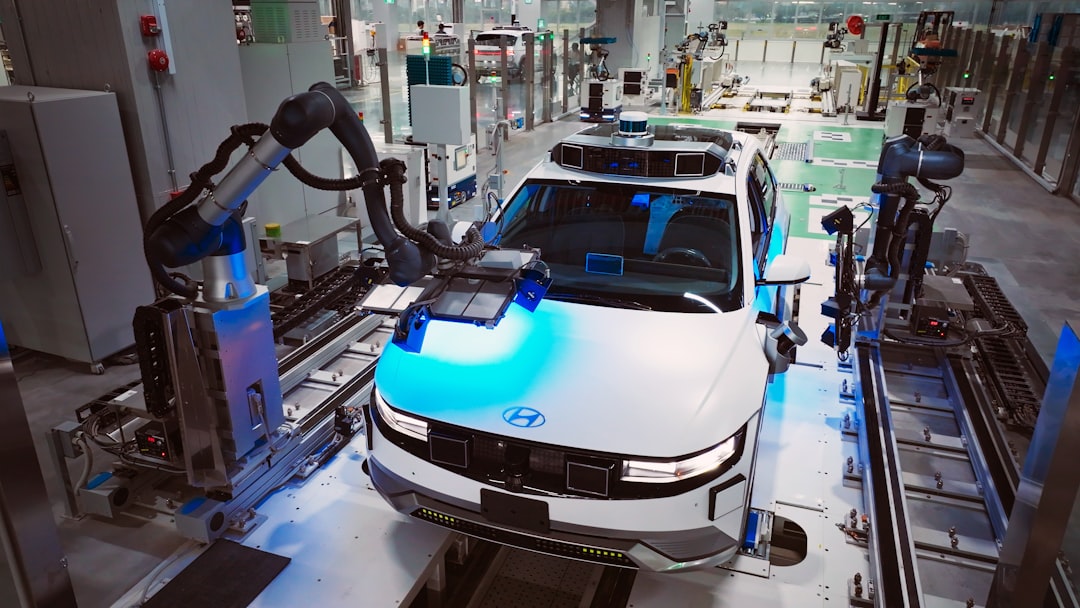
In the rapidly evolving digital age, the fusion of artificial intelligence (AI) and the Internet of Things (IoT) is driving a monumental transition across industries. Known as AIoT (Artificial Intelligence of Things), this convergence is far more than a buzzword—it’s a transformative force enabling interconnected systems to think, learn, and adapt in real time. As businesses strive for greater efficiency, automation, and intelligence, AIoT solutions are becoming indispensable to modern infrastructure, especially in smart industries, cities, homes, and manufacturing environments.
TLDR:
AIoT (Artificial Intelligence of Things) combines the learning capabilities of AI with the real-time, data-collecting prowess of IoT to enable smarter, more autonomous connected systems. Whether it’s predictive maintenance in manufacturing or intelligent traffic systems in smart cities, AIoT is driving increased efficiency, automation, and decision-making accuracy. Industries across the board are rapidly investing in AIoT to future-proof operations and reduce costs. As the technology matures, its impact on connected ecosystems will only deepen, setting new standards in innovation and productivity.
What Is AIoT?
AIoT stands for Artificial Intelligence of Things. It refers to the integration of artificial intelligence technologies with the infrastructure of the Internet of Things. IoT involves a network of physical devices—ranging from sensors and actuators to machines and vehicles—that collect and exchange data. AI, on the other hand, brings intelligence to these devices, allowing them to analyze data, make decisions, and learn from outcomes without human intervention.
By embedding AI capabilities into IoT devices, companies are fostering a level of autonomy and sophistication that traditional systems simply cannot offer. AIoT allows for the transformation of massive volumes of raw data into actionable insights in real time, drastically improving response times, operational efficiency, and business agility.
Key Components of AIoT
- IoT Devices: Include sensors, actuators, wearables, cameras, and connected machinery.
- Edge Computing: Processes data closer to the source rather than relying solely on centralized cloud solutions.
- AI Algorithms: Perform data analysis, modeling, anomaly detection, and predictive analytics.
- Communication Networks: Ensure seamless data transfer using protocols like 5G, Wi-Fi, Bluetooth, and Zigbee.
- Cloud Infrastructure: Stores, analyzes, and manages large datasets while providing remote access and integration.
How AI is Enhancing IoT Capabilities
In a traditional IoT setup, devices collect data and send it to a central server for processing and response generation. While effective, this model suffers from latency and bandwidth constraints. By introducing AI into the picture, many of these limitations are mitigated through:
- Real-time analytics that enable instant decision-making without needing human supervision.
- Predictive analytics that forecast equipment failures or consumer behavior patterns.
- Autonomous actions based on learned behaviors or pre-programmed AI rules.
- Improved accuracy and efficiency in interpreting complex data sets in heterogeneous environments.
This synergy allows AIoT to do more than just observe—it empowers systems to act.
Applications of AIoT in Connected Industries
Today, AIoT is being adopted across various industries that rely on interconnected systems and real-time data processing. Here are a few areas where AIoT is making significant strides:
1. Smart Manufacturing
In the realm of Industry 4.0, AIoT enables predictive maintenance, automated quality control, and machine condition monitoring. With IoT sensors embedded in machinery, performance data is continuously gathered and analyzed through AI systems to predict failures before they happen, reducing downtime and operational costs.
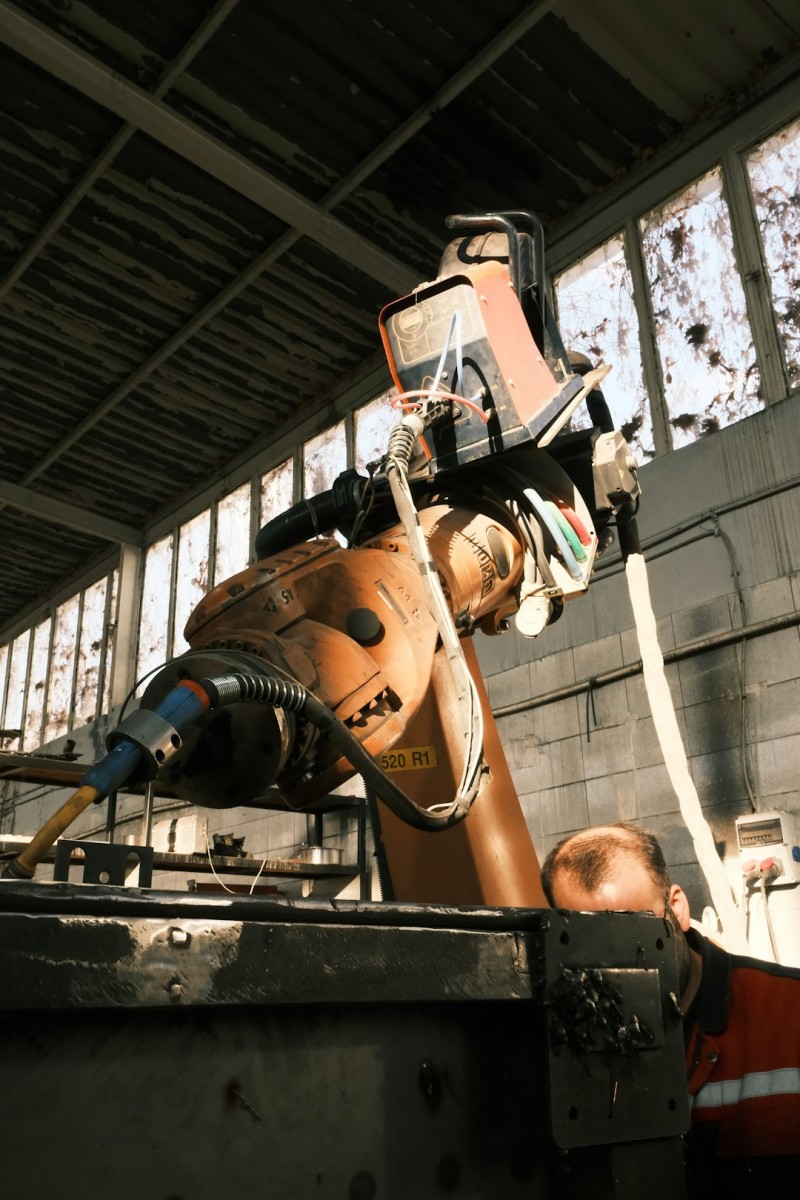
Manufacturers can also benefit from intelligent workflow optimizations. For instance, AIoT systems can detect bottlenecks in assembly lines and automatically reassign tasks to optimize throughput.
2. Smart Cities
Urban centers are using AIoT to manage resources more effectively, enhance public safety, and streamline city services. Traffic systems powered by AIoT can adapt signal timings in real-time based on vehicle patterns, reducing congestion and pollution. Similarly, smart lighting systems adjust brightness according to foot traffic or weather conditions, improving energy efficiency.

Public safety also gets a boost through AI-powered surveillance, capable of recognizing suspicious patterns and alerting authorities autonomously.
3. Healthcare
Wearables, sensors, and connected devices are revolutionizing patient care. AIoT facilitates remote monitoring of patient vitals, alerting healthcare providers in real time when abnormalities arise. This is particularly crucial in chronic disease management and elderly care.
Furthermore, predictive models can analyze patient history and sensor data to foresee medical events before they occur, potentially saving lives and reducing the burden on emergency services.
4. Agriculture
AIoT solutions are increasingly vital in precision farming. Smart sensors monitor soil moisture, nutrient levels, and weather forecasts, while AI algorithms determine optimal irrigation schedules and pest control strategies. This approach maximizes yield and minimizes resource usage.
AIoT drones also monitor crop health vis-à-vis aerial imaging, enabling early detection of disease or nutrient deficiencies.
5. Retail and Supply Chain
Retailers use AIoT for inventory tracking, customer behavior analytics, and dynamic pricing. In warehouses, autonomous AI-driven robots locate, pick, and package items based on real-time demand forecasts. Supply chain optimization using predictive demand models ensures reduced waste and higher customer satisfaction.
Challenges and Considerations
Despite its growing ubiquity, the implementation of AIoT faces several obstacles:
- Data Privacy: As devices gather huge amounts of personal and sensitive data, safeguarding this information is paramount.
- Interoperability: Seamless communication between devices from different vendors remains a technical challenge.
- Infrastructure Costs: Establishing the computational architecture (edge servers, cloud platforms) can be cost-prohibitive for small businesses.
- Talent Shortage: Expertise in both AI and IoT is required, and the demand often exceeds the supply.
Addressing these concerns will be critical to the widespread acceptance and long-term success of AIoT technologies.
Future Outlook: What’s Next for AIoT?
As 5G connectivity becomes widespread and edge computing grows more robust, AIoT applications will only become more sophisticated and pervasive. We can expect future AIoT systems to feature:
- Enhanced autonomy through self-learning algorithms that continually improve system efficiency.
- Greater customizability for sector-specific solutions tailored to unique operational demands.
- Expanded ecosystem integrations where AIoT devices communicate across industries and verticals for holistic functionality.
- Stronger emphasis on green technology to support sustainability goals through resource optimization and intelligent consumption patterns.
Moreover, regulatory frameworks and standardization efforts will likely mature, helping to mitigate risks and promote best practices across markets.
Conclusion
The AIoT revolution represents an inflection point in how we understand, interact with, and benefit from technology. By marrying the sensory capabilities of IoT with the cognitive power of AI, modern systems are becoming far more intelligent, responsive, and efficient. Smart AIoT solutions are not just enhancing existing industries; they are redefining them—from how manufacturers assemble products to how cities function and people receive medical care.
As we move toward an even more interconnected world, investing in and adapting to AIoT technologies will be a strategic imperative for businesses seeking to stay competitive. The sooner organizations embrace this transformation, the more resilient and forward-looking they will become.

