

Top Ecommerce Tools to Optimize Checkout & Payments
Modern ecommerce success depends heavily on how smooth and secure the checkout and payment experience feels to customers. Even the smallest friction in the final step of a purchase can drive shoppers away, resulting in lost revenue and abandoned carts. To combat this, online retailers increasingly rely on specialized tools designed to streamline checkout flows, enhance payment security, and boost conversions. Choosing the right combination of solutions can dramatically improve customer satisfaction and overall profitability.
TLDR: Optimizing checkout and payments is one of the most effective ways to increase ecommerce conversions. The best tools simplify the buying process, enable multiple payment options, protect against fraud, and reduce cart abandonment. From payment gateways and one-click checkout to fraud protection and subscription management platforms, retailers have many options to refine their checkout experience. Implementing the right tools leads to higher customer trust, faster transactions, and increased revenue.
Why Checkout Optimization Matters
The checkout process is often the most fragile stage of the customer journey. Shoppers who have already selected products may still abandon their carts due to unexpected fees, complicated forms, slow page loads, or limited payment options. Research consistently shows that a seamless checkout experience significantly improves conversion rates.
Key factors that influence checkout success include:
- Simplicity – Fewer steps and form fields
- Transparency – Clear pricing and shipping costs
- Speed – Fast page loading and instant confirmations
- Security – Visible trust signals and encrypted payments
- Flexibility – Multiple payment methods and currencies
With the right ecommerce tools, businesses can address each of these areas effectively.
1. Payment Gateways
A reliable payment gateway is the backbone of any ecommerce operation. It authorizes transactions securely and ensures funds are transferred efficiently between customers and merchants.
Popular options like Stripe, PayPal, Square, and Authorize.net provide:
- Support for major credit and debit cards
- Digital wallet integration
- Multi-currency processing
- Recurring billing capabilities
- Advanced reporting tools
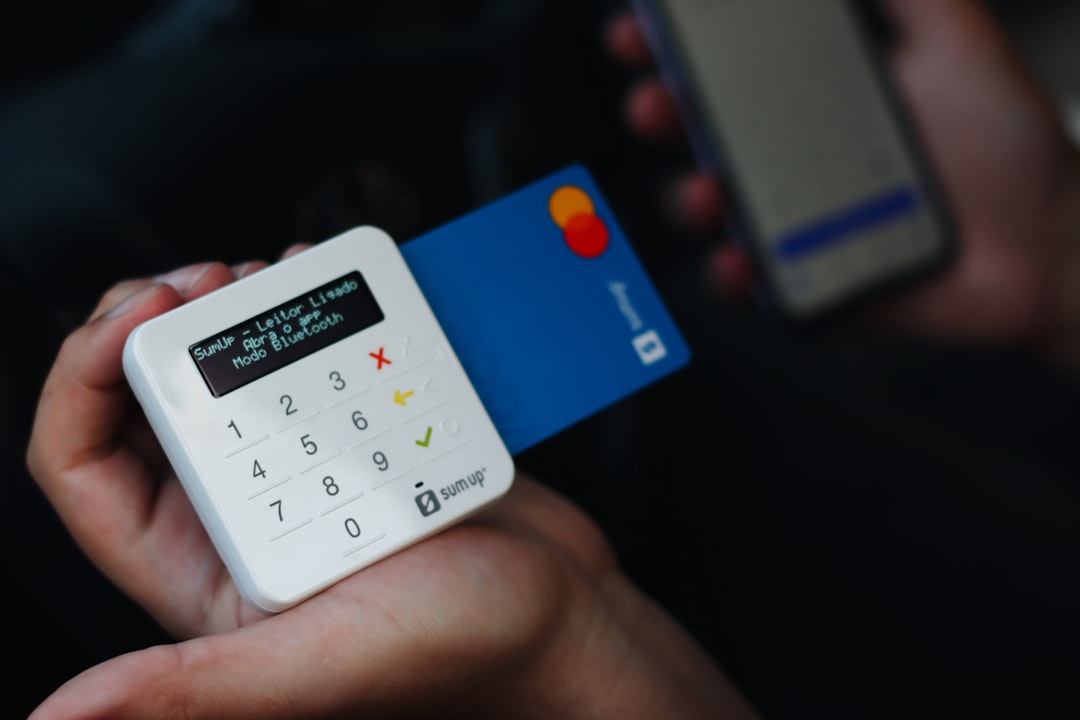
Modern gateways also offer APIs and plug-ins for popular ecommerce platforms, making integration straightforward. Businesses should select a gateway based on transaction fees, supported regions, customer preferences, and scalability.
2. One-Click and Express Checkout Solutions
One-click checkout tools allow returning customers to complete purchases instantly, without re-entering billing and shipping details. This dramatically reduces friction and speeds up transactions.
Solutions such as Shop Pay, Amazon Pay, and Apple Pay provide:
- Stored payment information
- Pre-filled shipping addresses
- Mobile-friendly purchase flows
- Biometric authentication on supported devices
By cutting down the number of steps required to complete a purchase, these tools are particularly beneficial for mobile commerce, where lengthy forms can discourage users.
3. Digital Wallet Integration
Digital wallets have become increasingly popular due to their convenience and security. Offering options like Google Pay, Apple Pay, Samsung Pay, and PayPal Wallet ensures that customers can pay using familiar and trusted methods.
Benefits of digital wallet integration include:
- Faster checkout times
- Reduced data entry errors
- Enhanced encryption and tokenization
- Improved mobile conversion rates
As more consumers rely on mobile devices for shopping, providing wallet-based payment options is no longer optional—it is essential.
4. Fraud Prevention and Security Tools
Security concerns are a leading cause of abandoned checkouts. Customers want assurance that their payment data is protected. Fraud prevention tools help businesses safeguard transactions without adding friction for legitimate buyers.
Leading tools such as Signifyd, Riskified, and Sift use machine learning to:
- Detect suspicious behavior
- Prevent chargebacks
- Analyze transaction patterns
- Offer fraud liability protection

Additionally, implementing SSL certificates, PCI DSS compliance, and two-factor authentication reinforces customer trust. When shoppers see visible security indicators, they are more likely to complete their purchases.
5. Checkout Customization Platforms
Customizable checkout tools allow merchants to design a branded, intuitive experience instead of relying on rigid default templates. Platforms like Checkout.com, Bolt, and Fast offer embedded checkout solutions that can be tailored to match brand identity.
With advanced checkout optimization tools, businesses can:
- Implement single-page checkout
- Add progress indicators
- Enable guest checkout options
- Conduct A/B testing on checkout design
Personalized checkout experiences build brand consistency and reduce confusion, leading to improved conversion rates.
6. Subscription and Recurring Billing Tools
For ecommerce businesses operating subscription models, recurring billing tools are essential. Platforms like ReCharge, Chargebee, and Bold Subscriptions automate billing cycles and manage renewal processes.
Key features include:
- Automated recurring payments
- Subscription plan customization
- Customer self-service portals
- Failed payment recovery workflows
Automating subscription management reduces administrative tasks and enhances the customer experience by minimizing payment disruptions.
7. Cart Abandonment Recovery Tools
Even with optimized checkout systems, cart abandonment remains a challenge. Recovery tools help businesses recapture lost sales by reminding customers to complete their purchases.
Solutions such as Klaviyo, Omnisend, and Privy offer:
- Automated email reminders
- SMS recovery campaigns
- Personalized discount offers
- Exit-intent popups

Data-driven recovery campaigns can significantly improve overall revenue without requiring additional customer acquisition costs.
8. Buy Now, Pay Later (BNPL) Services
Buy Now, Pay Later solutions have transformed online payments by allowing customers to split purchases into smaller installments. Services like Afterpay, Klarna, and Affirm integrate seamlessly into ecommerce checkout pages.
BNPL tools help merchants by:
- Increasing average order value
- Attracting budget-conscious shoppers
- Reducing purchase hesitation
- Providing upfront payment to merchants
When implemented correctly, installment payment options can serve as powerful conversion boosters.
9. Multi-Currency and Cross-Border Payment Tools
For businesses serving international markets, multi-currency support is crucial. Tools like Adyen and Worldpay enable customers to pay in their local currencies while complying with global regulations.
Features to look for include:
- Localized payment methods
- Automatic currency conversion
- Tax and VAT calculation
- Compliance with regional standards
Providing localized payment experiences reduces friction and builds trust among global customers.
Best Practices for Combining Checkout Tools
Implementing multiple tools requires careful planning. Overcomplicating the checkout with too many features can have the opposite effect. Successful ecommerce businesses typically:
- Prioritize user experience over feature overload
- Continuously test and optimize checkout flows
- Monitor analytics to identify drop-off points
- Ensure mobile-first design compatibility
- Offer diverse yet relevant payment options
By analyzing customer behavior and iteratively refining the checkout process, businesses can create a payment experience that feels effortless and secure.
Conclusion
Optimizing checkout and payment systems is one of the highest-impact strategies available to ecommerce businesses. With the right combination of payment gateways, fraud detection tools, digital wallets, BNPL options, and recovery solutions, merchants can reduce friction and increase conversions significantly. As consumer expectations continue to evolve, investing in modern checkout technology will remain a critical component of ecommerce growth. Businesses that prioritize security, speed, and simplicity at checkout will consistently outperform competitors in both revenue and customer loyalty.
Frequently Asked Questions (FAQ)
1. What is the most important factor in ecommerce checkout optimization?
The most important factor is simplicity. Reducing the number of steps and form fields while maintaining security significantly improves conversion rates.
2. Should businesses offer multiple payment methods?
Yes. Providing diverse payment options, including cards, digital wallets, and BNPL services, increases the likelihood of meeting customer preferences and completing sales.
3. How do fraud prevention tools impact conversion rates?
Advanced fraud tools protect businesses from chargebacks while minimizing false declines. When implemented properly, they enhance security without disrupting legitimate customers.
4. Are one-click checkout options safe?
Yes. Reputable one-click checkout solutions use tokenization and encryption to secure stored payment data, often adding biometric authentication for additional protection.
5. How can businesses reduce cart abandonment?
They can simplify checkout forms, clearly display pricing, offer guest checkout, provide multiple payment options, and use recovery tools such as automated email reminders.
6. Is Buy Now, Pay Later suitable for all ecommerce stores?
BNPL is particularly effective for higher-priced items, but it can benefit many industries by increasing average order values and making purchases more accessible to customers.

