
Top ChatPic Alternatives for Creative Content Generation
Creative content generation has moved far beyond basic filters and simple profile-picture edits. If you have used ChatPic for AI-assisted visuals, avatars, social content, or quick creative concepts, you may eventually want tools with more control, stronger image quality, better branding features, or broader media options. The good news is that the AI creativity market is packed with capable alternatives, each offering a different mix of speed, realism, customization, and workflow support.
TLDR: The best ChatPic alternatives depend on what you want to create: Midjourney is excellent for artistic, high-impact images, while Adobe Firefly is strong for commercially safe design workflows. DALL·E, Canva, Leonardo AI, and Stable Diffusion are also powerful choices for creators who need flexibility. If you generate content for social media, marketing, personal branding, or concept art, choosing the right tool can save time and dramatically improve results.
Why Look for a ChatPic Alternative?
ChatPic-style tools are useful because they make creative generation feel conversational and accessible. You type what you want, upload an image, or choose a style, and the platform produces something visually interesting. However, as your creative needs grow, you may notice limitations: fewer editing controls, inconsistent results, restricted style options, unclear licensing, or limited export quality.
Modern creators often need more than a single AI image. They need consistent characters, branded social graphics, product mockups, short videos, ad creatives, blog illustrations, profile photos, and concept images that can be refined repeatedly. That is where alternative platforms become valuable. Some specialize in cinematic visuals, while others focus on safe commercial use, design templates, or open-source customization.
Image not found in postmeta1. Midjourney: Best for Artistic and Cinematic Visuals
Midjourney is one of the strongest alternatives for creators who care about visual style. It is especially popular with artists, marketers, game designers, authors, and social media creators who want images that feel polished, atmospheric, and imaginative. Midjourney is known for producing dramatic lighting, rich textures, detailed characters, futuristic scenes, and editorial-style compositions.
Unlike simpler tools, Midjourney rewards users who learn how to write detailed prompts. You can guide the mood, camera angle, color palette, artistic movement, and composition. For example, a fashion creator might generate a surreal editorial campaign, while a novelist could create concept art for a fantasy city. The results often look less like generic stock imagery and more like custom-produced artwork.
- Best for: concept art, social visuals, posters, fantasy scenes, cinematic images
- Strengths: high visual quality, distinctive style, excellent lighting and atmosphere
- Limitations: can require prompt practice and may not be ideal for precise text in images
2. DALL·E: Best for Natural Language Image Creation
DALL·E, available through OpenAI’s image generation features, is a highly approachable option for people who want to describe an idea naturally and receive a clean, usable image. It is particularly helpful if you prefer to work conversationally rather than learning complex prompt formulas. You can ask for revisions, change details, or create variations with plain instructions.
For creative content generation, DALL·E is useful for blog illustrations, social posts, product concepts, educational graphics, and playful brand imagery. It tends to understand relationships between objects well, which makes it helpful for scenes that require specific details. If you want an image of “a cozy desk setup with a notebook, coffee cup, and glowing laptop in a rainy window scene,” it can usually produce a coherent result quickly.
- Best for: quick illustrations, marketing ideas, content drafts, everyday creative visuals
- Strengths: easy prompting, strong comprehension, fast iteration
- Limitations: style may feel less distinctive than more art-focused platforms
3. Adobe Firefly: Best for Commercially Minded Creators
Adobe Firefly is a strong ChatPic alternative for creators who work in professional design environments. Its major advantage is that it is built with commercial workflows in mind and integrates well with Adobe’s creative ecosystem. If you use tools like Photoshop, Illustrator, or Express, Firefly can feel like a natural extension of your existing process.
Firefly is especially useful for generating images, text effects, backgrounds, and design elements that can be edited further. A designer might use it to extend a product shot, create a background for a campaign, or test visual directions before committing to a full design. Its generative fill capabilities are also valuable for removing unwanted objects, expanding image borders, and changing visual details.
- Best for: commercial design, image editing, promotional graphics, brand-safe workflows
- Strengths: Adobe integration, useful editing tools, practical design features
- Limitations: may feel less experimental than art-first platforms
4. Canva: Best for Social Media and Everyday Content
Canva is a practical choice for creators who want AI generation combined with ready-to-use templates. While many AI tools focus only on producing images, Canva helps turn those images into complete assets: Instagram posts, YouTube thumbnails, presentations, flyers, newsletters, and short-form content. This makes it especially attractive for small businesses, educators, influencers, and content managers.
Its AI features can assist with image generation, writing, layout suggestions, background removal, and design resizing. The biggest advantage is convenience. Instead of exporting an AI image and opening another design app, you can generate, edit, format, and publish from one place. For teams that need fast branded content, this can be a major productivity boost.
- Best for: social posts, presentations, marketing content, quick branded graphics
- Strengths: templates, simple interface, fast publishing workflow
- Limitations: advanced image generation controls may be limited compared with specialist AI art tools
5. Leonardo AI: Best for Game Assets and Stylized Creative Work
Leonardo AI has become popular among creators who need highly stylized visuals, especially for games, fantasy worlds, characters, environments, and digital products. It offers a strong balance between ease of use and creative control. Users can choose models, adjust settings, generate variations, and train styles for more consistent results.
One of Leonardo’s biggest strengths is its usefulness for asset-style creation. If you are developing a game, building a fictional universe, designing collectible characters, or producing themed content for a brand, Leonardo can help maintain a coherent visual direction. It is also appealing to creators who want more control than template-based tools provide but do not want the technical setup required by some open-source platforms.
- Best for: game assets, characters, fantasy art, product concepts, stylized campaigns
- Strengths: model variety, strong style control, useful for consistent creative worlds
- Limitations: some features may take time to learn
6. Stable Diffusion: Best for Advanced Customization
Stable Diffusion is one of the most flexible ChatPic alternatives because it is open-source and widely supported by creative communities. It can be used through web platforms or installed locally for deeper control. For technically curious creators, it offers an enormous range of models, extensions, workflows, and customization options.
The real power of Stable Diffusion lies in its adaptability. You can use different checkpoints for photorealism, anime, product photography, architecture, fashion, or illustration. With tools like ControlNet, inpainting, and LoRA models, creators can guide poses, preserve character details, edit specific areas, or train a style. This makes it ideal for users who need repeatable results and are willing to learn a more complex workflow.
- Best for: advanced AI art, custom models, consistent characters, experimental workflows
- Strengths: highly customizable, open-source ecosystem, strong community support
- Limitations: can be technical and may require hardware or platform knowledge
7. Ideogram: Best for Text in Images
Ideogram is a standout option when you need images that include readable text. Many AI image generators struggle with typography, producing distorted letters or misspelled words. Ideogram is designed to handle text more reliably, making it useful for posters, stickers, logos, social graphics, greeting cards, and promotional images.
If your creative content often includes slogans, product names, event titles, or short quotes, Ideogram can save time. It is particularly useful for creators making visually engaging posts where the words are part of the design rather than an afterthought. While results still need review, its typography performance makes it a strong alternative to general-purpose image tools.
- Best for: quote graphics, posters, merch concepts, social images with text
- Strengths: better text rendering, fun styles, quick concept creation
- Limitations: may not offer the same editing depth as full design platforms
8. Runway: Best for AI Video and Multimedia Creation
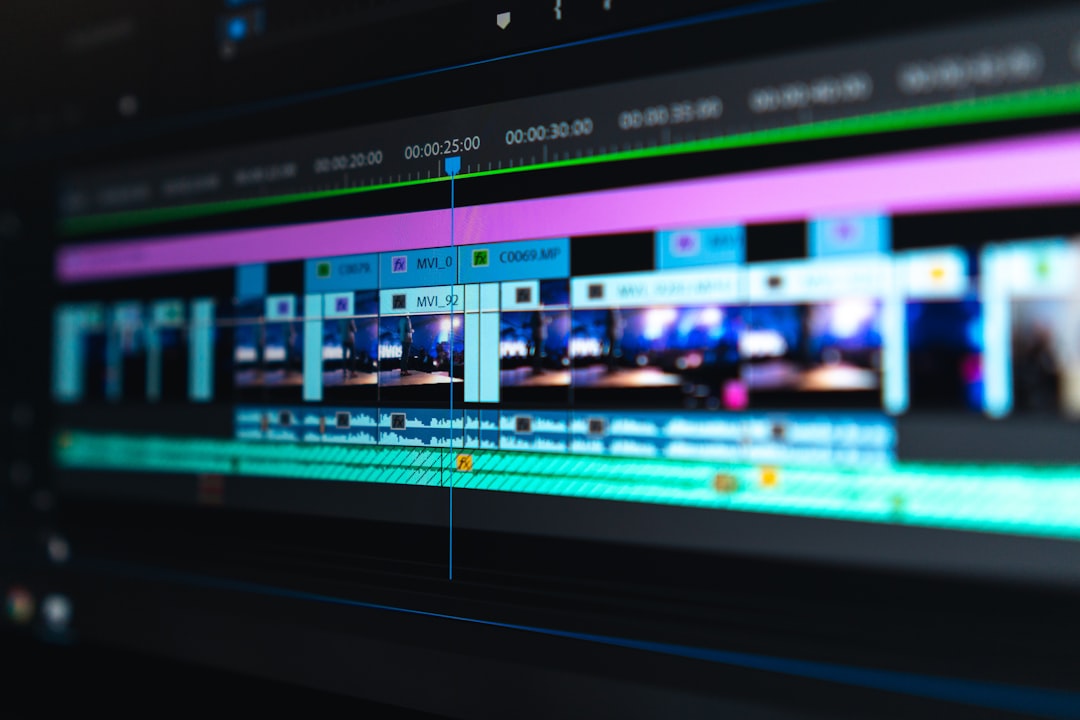
Runway is ideal if your creative content goes beyond still images. It is known for AI video generation, video editing, background removal, motion tools, and visual effects. For creators producing TikTok videos, ads, music visuals, short films, or animated brand content, Runway offers capabilities that a static image tool cannot match.
You can use Runway to generate short video clips from text or images, stylize footage, remove unwanted elements, and experiment with motion-based storytelling. This makes it a compelling choice for content teams that want to move from image generation into richer multimedia campaigns.
- Best for: AI video, visual effects, social video, experimental storytelling
- Strengths: video generation, editing features, modern creator workflow
- Limitations: video generation can be less predictable and may require several attempts
9. Krea: Best for Real-Time Visual Exploration
Krea is a creative AI platform focused on real-time generation and visual experimentation. It is especially useful for designers and artists who want to explore ideas quickly without waiting through long render cycles. You can test colors, shapes, compositions, and styles in a more fluid way than traditional prompt-only tools.
Krea is also appreciated for upscaling and enhancing images. If you generate a promising concept elsewhere but need it sharpened, refined, or transformed, Krea can be part of a larger creative workflow. It is a good fit for people who enjoy fast iteration and visual discovery.
- Best for: visual exploration, style testing, image enhancement, rapid ideation
- Strengths: real-time generation, intuitive experimentation, useful enhancement tools
- Limitations: may work best as part of a broader toolset rather than a single complete solution
How to Choose the Right Alternative
The best ChatPic alternative is not necessarily the most famous one. It is the one that fits your creative process. Before choosing, ask yourself what you create most often. If you need dramatic artwork, Midjourney may be the best choice. If you need commercial design support, Adobe Firefly is practical. If you want quick social content, Canva is convenient. If you want advanced control, Stable Diffusion is hard to beat.
Also consider your comfort level. Some creators want a simple tool that works immediately, while others enjoy technical control. Licensing matters too, especially if your content will be used for advertising, merchandise, client work, or brand campaigns. Always review each platform’s usage terms before publishing or selling generated content.
Final Thoughts
ChatPic may be a useful starting point, but today’s AI creative landscape offers far more specialized options. From artistic image generation and commercial design to AI video, typography, and open-source customization, there is a tool for nearly every type of creator. The smartest approach is to match the platform to the project: use Midjourney for striking visuals, DALL·E for conversational creation, Firefly for professional editing, Canva for fast content layouts, and Runway when motion matters.
Ultimately, AI tools are not replacements for creative judgment; they are accelerators. The best results still come from clear ideas, thoughtful prompts, careful editing, and a strong sense of audience. With the right ChatPic alternative in your toolkit, you can generate more ideas, produce better visuals, and keep your content pipeline fresh, original, and engaging.

