
Tools Similar to SigNoz That Teams Use for Open-Source Observability and APM Monitoring
Open-source observability is no longer a niche hobby. It is how modern teams keep apps alive. When systems grow complex, things break in strange ways. Logs explode. Metrics spike. Users complain. That is when tools like SigNoz enter the scene. But SigNoz is not alone. Many teams explore similar tools to gain control over performance, traces, logs, and metrics. Let’s break them down in a simple and fun way.
TLDR: Many teams use open-source tools like Jaeger, Prometheus, Grafana, Elastic Stack, and OpenTelemetry instead of or alongside SigNoz. These tools help collect, visualize, and analyze metrics, logs, and traces. Each tool has strengths and trade-offs. The best choice depends on your team size, skill level, and infrastructure needs.
First, let’s understand the big picture.
Observability means you can understand what is happening inside your system by looking at its outputs. These outputs usually fall into three main buckets:
- Metrics – Numbers over time. CPU usage. Memory. Latency.
- Logs – Detailed event records. Error lines. Debug messages.
- Traces – The journey of a request across services.
Some tools focus on one bucket. Others try to do all three. Teams often mix and match based on needs.
Popular Tools Similar to SigNoz
1. Prometheus
Prometheus is a superstar in the metrics world. It is open-source and widely adopted. It works by scraping metrics from targets at regular intervals.
Why teams like it:
- Powerful query language called PromQL.
- Strong Kubernetes integration.
- Huge community support.
- Reliable alerting features.
Limitations:
- Focused mainly on metrics.
- Long-term storage requires extra setup.
If you care mostly about metrics and alerts, Prometheus is often the first choice.
2. Grafana
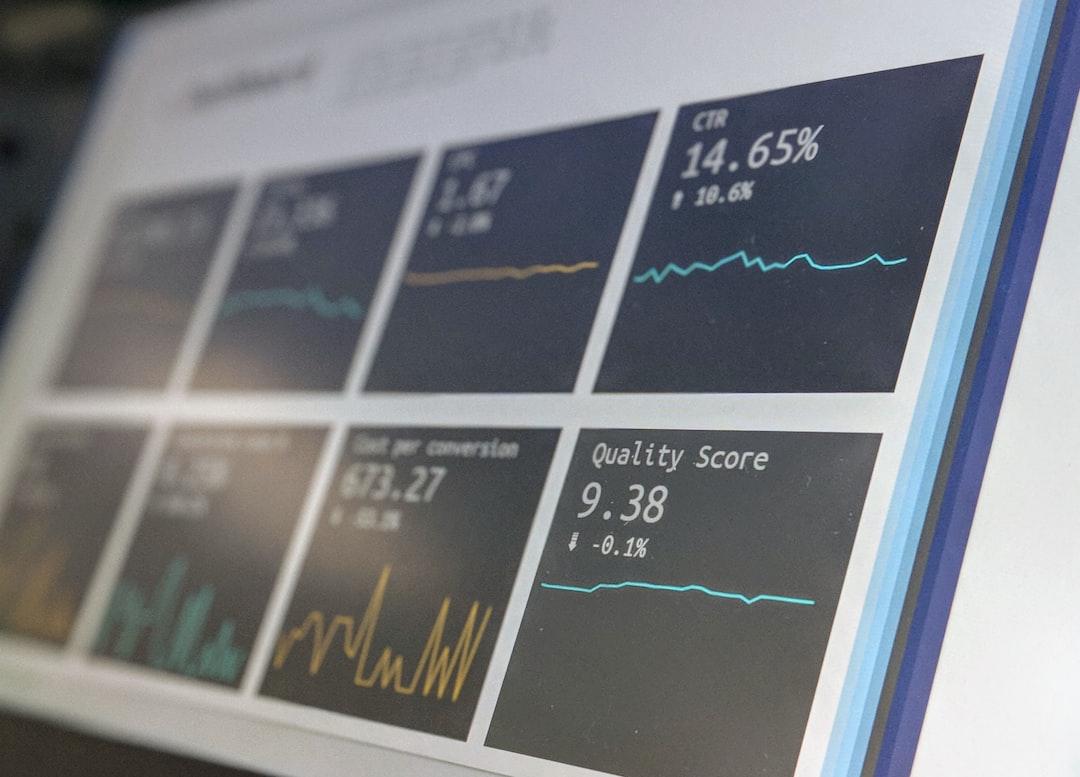
Grafana is the king of dashboards. It does not collect data on its own. Instead, it connects to databases like Prometheus, Elasticsearch, or InfluxDB.
Why teams love it:
- Beautiful visualizations.
- Easy-to-share dashboards.
- Support for many data sources.
- Alerting and custom panels.
Grafana often works hand in hand with Prometheus. Together, they form a powerful metrics stack. Many teams use this combo as a lightweight alternative to larger platforms.
3. Jaeger
Jaeger is focused on distributed tracing. It helps you see how requests travel across microservices.
Imagine clicking a button in an app. That action might trigger five services. Jaeger shows you that journey.
Key benefits:
- Open-source and CNCF backed.
- Strong microservices support.
- Visual trace maps.
Drawbacks:
- Only handles tracing.
- Requires integration with metrics and logs tools.
Jaeger plays well with OpenTelemetry. Many teams instrument apps with OpenTelemetry and send traces to Jaeger.
4. Elastic Stack (ELK Stack)
The ELK Stack stands for Elasticsearch, Logstash, and Kibana. It is one of the most widely used logging platforms.
Here is how it works:
- Logstash collects and processes logs.
- Elasticsearch stores and indexes them.
- Kibana visualizes the data.
Why it stands out:
- Powerful full-text search.
- Flexible indexing.
- Great visualization tools.
Challenges:
- Can be resource-heavy.
- Scaling requires planning.
Teams that deal with large log volumes often turn to ELK. It is especially helpful for troubleshooting production errors.
5. OpenTelemetry
OpenTelemetry is not a monitoring tool in the traditional sense. It is an instrumentation framework. It helps collect telemetry data and send it wherever you want.
Think of it as the data pipeline builder.
Why it is powerful:
- Vendor-neutral standard.
- Supports metrics, logs, and traces.
- Works with many backends.
Many modern observability stacks start with OpenTelemetry. Teams instrument their apps once and then decide where to send the data.
6. VictoriaMetrics
VictoriaMetrics is a fast and cost-effective time-series database. It is often used as a drop-in replacement for Prometheus storage.
Benefits include:
- High performance.
- Lower resource usage.
- Simple scaling options.
Teams with heavy metric workloads often switch to VictoriaMetrics for long-term storage.
7. Zabbix
Zabbix has been around for a long time. It is known for infrastructure monitoring.
Why teams pick it:
- All-in-one monitoring solution.
- Agent-based and agentless monitoring.
- Strong alerting capabilities.
It is particularly popular in enterprise IT environments.
Comparison Chart
| Tool | Main Focus | Best For | Ease of Setup | Scalability |
|---|---|---|---|---|
| Prometheus | Metrics | Kubernetes, cloud native apps | Moderate | High with add-ons |
| Grafana | Visualization | Dashboards, multi-source data | Easy | High |
| Jaeger | Tracing | Microservices debugging | Moderate | High |
| Elastic Stack | Logs | Log management at scale | Complex | High with tuning |
| OpenTelemetry | Instrumentation | Standardized data collection | Moderate | Very High |
| VictoriaMetrics | Time-series storage | Large metric datasets | Easy | Very High |
| Zabbix | Infrastructure monitoring | Traditional IT systems | Moderate | High |
How Teams Combine These Tools
Many teams do not rely on just one tool. They build stacks.
A common open-source stack looks like this:
- OpenTelemetry to collect data.
- Prometheus for metrics storage.
- Jaeger for tracing.
- Elastic Stack for logs.
- Grafana for dashboards.
This setup is powerful. But it requires maintenance. It also needs skilled engineers. That is the trade-off.
Some teams want a single unified platform. Others prefer customizing every layer. There is no single right answer.
Things to Consider Before Choosing
Picking the right tool is like picking a car. Think about your journey.
- Team size – Small teams need simpler setups.
- Infrastructure complexity – Microservices need tracing.
- Budget – Open-source saves license costs but needs maintenance.
- Skill level – Some tools require deep knowledge.
- Scaling needs – Plan for growth.
If your system is Kubernetes-heavy, Prometheus and Grafana are natural fits. If logs are overwhelming, ELK might help most. If tracing is critical, Jaeger is valuable.
Why Open-Source Observability Is Growing
More teams are choosing open-source for several reasons:
- More control over data.
- Flexibility in architecture.
- Large community support.
- Cost efficiency at scale.
Cloud-native environments also push adoption. Containers. Serverless. Microservices. These systems need modern observability solutions.
Open-source tools evolve fast. Communities innovate quickly. And standards like OpenTelemetry bring consistency.
Final Thoughts
Tools similar to SigNoz offer many paths to observability success. Some focus on metrics. Others on logs or traces. Many teams build flexible stacks combining multiple tools.
The key is not picking the most popular tool. The key is choosing the one that fits your workflow.
Start small. Measure what matters. Add complexity when needed.
Observability is not about collecting every metric possible. It is about finding answers quickly when something breaks.
When your dashboards tell clear stories and your alerts are meaningful, you know your stack is working.
And that is what every engineering team wants. Fewer surprises. Faster fixes. Happier users.
Simple tools. Clear signals. Calm engineers.

