
Platforms Companies Explore When Replacing InfluxDB Cloud for Time-Series Monitoring and Metrics Storage
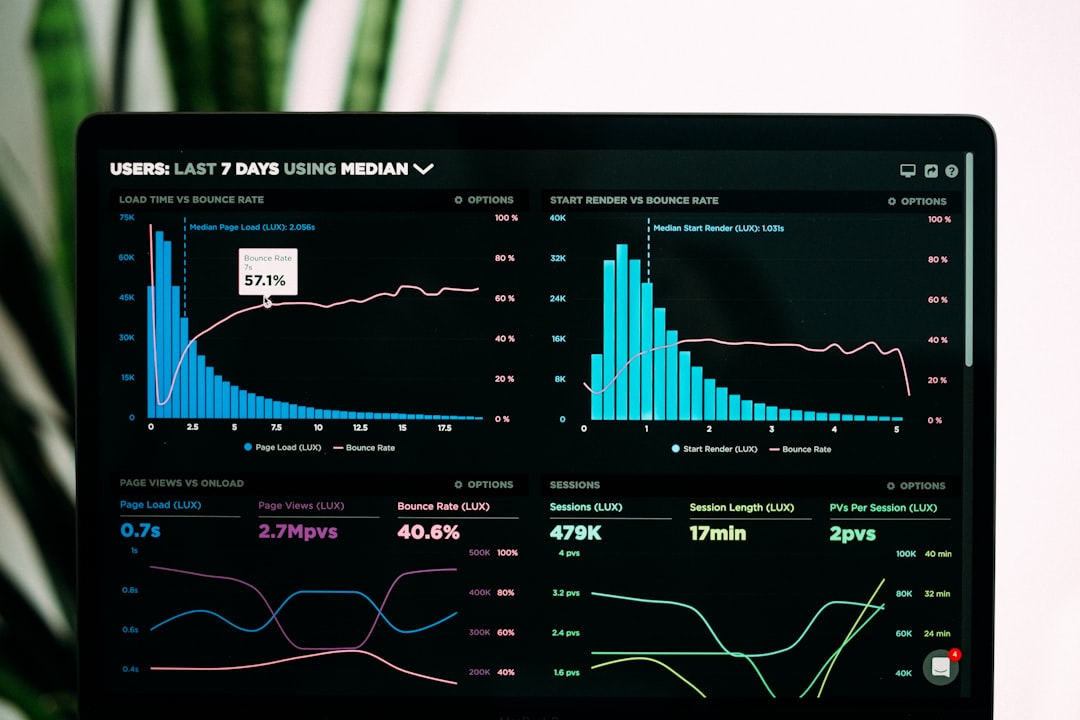
Time-series data is everywhere. It tracks CPU spikes. It logs website visits. It watches sensors and servers. For years, many teams have trusted InfluxDB Cloud to handle all of that. But sometimes, change is needed. Maybe pricing grows too fast. Maybe performance does not scale. Maybe you want more control. Whatever the reason, many companies start asking a big question: What should we use instead?
TLDR: Companies replacing InfluxDB Cloud often look for better pricing, stronger scalability, or easier management. Popular options include Prometheus, TimescaleDB, Datadog, Amazon Timestream, and ClickHouse. Each platform has strengths in cost, performance, integrations, or cloud support. The right choice depends on your team size, data volume, and monitoring goals.
Let’s explore the platforms teams consider most often. We’ll keep it simple. We’ll keep it fun. And we’ll break it down so it actually makes sense.
Why Companies Replace InfluxDB Cloud
Before jumping into alternatives, let’s look at the “why.”
- Cost growth. Time-series data grows fast. Bills can too.
- Scalability limits. Some workloads outgrow the plan.
- Complex queries. Teams want richer SQL support.
- Vendor lock-in concerns. Flexibility matters.
- Compliance needs. Some companies want full control.
Not every switch is about problems. Sometimes it’s just growth. A startup becomes an enterprise. Needs change.
1. Prometheus
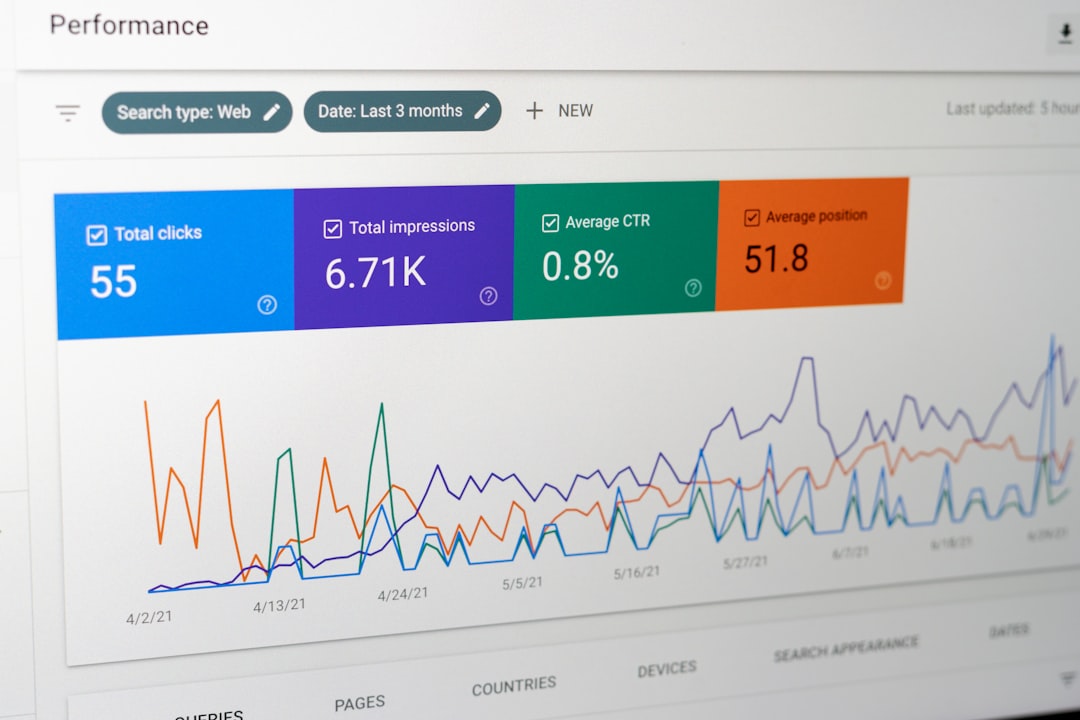
Prometheus is a favorite in the DevOps world. It is open-source. It is powerful. And it works especially well with Kubernetes.
Why teams like it:
- Free and open-source
- Strong community support
- Great Kubernetes integration
- Flexible querying with PromQL
Prometheus is pull-based. That means it scrapes metrics from services. This works great for container environments.
But there’s a catch.
It is not built for very long-term storage. Many teams pair it with tools like Thanos or Cortex. That adds complexity.
Best for: Cloud-native teams. Kubernetes-heavy systems.
2. TimescaleDB
TimescaleDB is built on PostgreSQL. That’s a big deal. It means you get full SQL support plus time-series features.
It feels familiar. Especially for teams that already use Postgres.
What makes it strong:
- Handles large-scale time-series data
- Works with standard SQL
- Supports complex joins
- Flexible deployment options
This is helpful when data does not live alone. Sometimes you want metrics and relational data together.
TimescaleDB makes that easy.
Watch out for: You still manage scaling. Unless you use their managed cloud version.
Best for: SQL lovers. Applications with mixed workloads.
3. Datadog
Datadog is fully managed. It is polished. It is packed with features.
It is more than metrics storage. It does logs. Traces. Events. Security monitoring.
Why companies explore it:
- Simple setup
- Rich dashboards
- Powerful alerts
- Huge integration library
You pay for convenience. Costs can increase at scale. But you save time on management.
It’s like moving from managing a farm to ordering groceries online.
Best for: Teams that want less infrastructure work.
4. Amazon Timestream
Already in AWS? Then Timestream becomes interesting.
It is serverless. No infrastructure to manage. It auto-scales.
Key benefits:
- Deep AWS integration
- Pay for what you use
- Automatic tiering of old data
- Built-in compression
It works well with IoT workloads and large applications.
But it can tie you more strongly to AWS.
If that is fine, it becomes simple.
Best for: AWS-centric companies.
Image not found in postmeta5. ClickHouse
ClickHouse is fast. Very fast.
It is a columnar database built for analytics. It handles massive data volumes.
Why teams choose it:
- Extremely high performance
- Great for analytical queries
- Open-source
- Scales horizontally
It is not purely a time-series database. But many use it that way.
It shines in read-heavy environments.
You may need more setup work. But performance lovers enjoy it.
Best for: High-scale analytics and custom monitoring systems.
6. VictoriaMetrics
VictoriaMetrics is gaining attention fast.
It is compatible with Prometheus. But it focuses on efficiency and scale.
Highlights:
- Lower memory usage
- Prometheus-compatible queries
- Handles high ingestion rates
- Single-node or cluster modes
Many teams switch from Prometheus remote storage to VictoriaMetrics.
It is lightweight. But powerful.
Best for: Large Prometheus-style deployments.
Quick Comparison Chart
| Platform | Open Source | Fully Managed Option | Best For | Complexity Level |
|---|---|---|---|---|
| Prometheus | Yes | Via third parties | Kubernetes monitoring | Medium |
| TimescaleDB | Yes | Yes | SQL-heavy workloads | Medium |
| Datadog | No | Yes | All-in-one monitoring | Low |
| Amazon Timestream | No | Yes | AWS environments | Low |
| ClickHouse | Yes | Yes | High-scale analytics | High |
| VictoriaMetrics | Yes | Yes | Large Prometheus setups | Medium |
What to Consider Before Switching
Switching databases is not like swapping apps. It affects everything.
Ask these questions:
- How much data do we ingest daily?
- How long must we keep it?
- Do we need complex joins?
- Who will manage infrastructure?
- What is the real monthly budget?
Also think about migration.
Moving time-series data can be tricky. Historical data may need exports. Dashboards must be rebuilt. Alerts must be tested.
Plan first. Move second.

Cloud vs Self-Hosted
This is a big decision.
Cloud-managed:
- Less maintenance
- Faster setup
- Higher predictable costs
- Less infrastructure expertise needed
Self-hosted:
- More control
- Potential cost savings at scale
- More responsibility
- Requires monitoring experience
Small teams often go managed. Large enterprises sometimes choose control.
There is no universal best answer.
Common Migration Patterns
Companies often follow one of these paths:
- InfluxDB Cloud → Prometheus + Thanos
- InfluxDB Cloud → TimescaleDB
- InfluxDB Cloud → Datadog
- InfluxDB Cloud → Timestream (AWS shops)
- InfluxDB Cloud → ClickHouse for custom analytics
The choice usually reflects company culture.
DevOps-driven teams pick open-source stacks.
Product-focused startups often choose managed tools.
Data-heavy enterprises gravitate toward scalable analytics engines.
Final Thoughts
InfluxDB Cloud is strong. But it is not the only option.
The monitoring world is growing fast. New tools appear each year. Performance improves. Costs shift.
The best replacement depends on your goals:
- Want simplicity? Look at Datadog.
- Love SQL? Try TimescaleDB.
- Running Kubernetes? Prometheus may shine.
- Deep in AWS? Timestream fits naturally.
- Need raw speed? ClickHouse delivers.
- Scaling Prometheus cheaply? VictoriaMetrics works well.
In the end, time-series monitoring is about clarity.
You want clean graphs. Fast alerts. Reliable storage.
You want to spot issues before users do.
Choose the tool that makes that easy. And choose one your team enjoys using.
Because the best monitoring system is the one that your team understands, trusts, and actually uses every day.

