
Long Hair Care Routine Explained: Balanced Tips For Strong And Healthy Growth
Growing long hair that remains strong, healthy, and resilient is rarely the result of a single product or trend. It is a gradual process that depends on consistent care, realistic expectations, and an understanding of how hair and scalp function over time. A well-rounded long hair care routine balances cleansing, nourishment, protection, and lifestyle habits, helping to minimize breakage while supporting steady growth.
TLDR: Long hair care is about protecting length rather than forcing faster growth. Wash and condition with restraint, focus on scalp health, and reduce daily damage from heat, friction, and tension. Consistency with gentle habits and realistic timelines leads to stronger, healthier hair over time.
Understanding How Long Hair Grows
Human hair grows in cycles, and understanding these cycles helps set practical expectations. On average, scalp hair grows about one centimeter per month, though genetics, age, hormones, and overall health all play important roles. Growth begins in the anagen phase, followed by rest and shedding phases that are entirely normal.
For most people, the challenge is not slow growth, but length retention. Long hair is often older and has been exposed to years of environmental stress, heat, and mechanical damage. A successful routine prioritizes preserving existing hair just as much as encouraging new growth.
Cleansing the Scalp Without Stripping
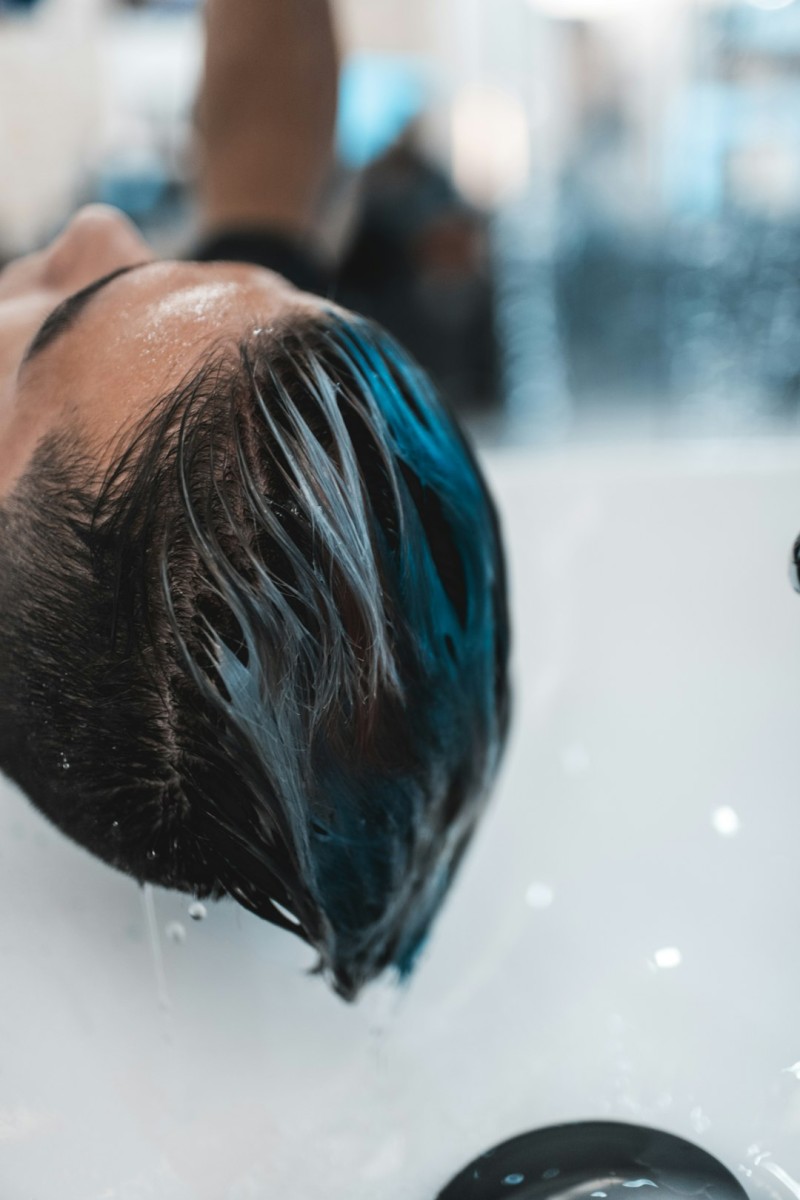
A healthy scalp provides the foundation for strong hair. Cleansing removes excess oil, product buildup, and pollutants, but overwashing or using harsh shampoos can weaken hair and irritate the scalp.
- Wash as often as needed based on scalp oiliness, usually two to four times per week.
- Choose gentle, sulfate free cleansers if your hair feels dry or fragile.
- Focus shampoo on the scalp rather than the lengths.
Massaging the scalp during washing can improve circulation and help distribute natural oils, contributing to a healthier growth environment.
Conditioning for Moisture and Strength
Conditioner is essential for long hair because it helps reduce friction, smooth the cuticle, and prevent breakage. While shampoo addresses the scalp, conditioner should focus on the mid lengths and ends, which are more vulnerable.
- Use a lightweight conditioner for fine hair and a richer formula for thick or coarse hair.
- Leave conditioner on for at least two to three minutes.
- Rinse thoroughly with lukewarm water.
For very long or dry hair, occasional deep conditioning treatments can help replenish moisture and improve elasticity. These should be used sparingly to avoid buildup.
Drying and Detangling With Care
Wet hair is at its weakest, which makes drying and detangling a critical stage in the routine. Rough towel drying or aggressive brushing can undo weeks of careful maintenance.
- Blot hair gently with a soft towel or cotton shirt.
- Use a wide tooth comb or detangling brush.
- Start detangling from the ends and work upward.
Allowing hair to air dry whenever possible reduces heat exposure. When heat styling is necessary, proper protection is crucial.
Heat Styling and Protective Practices
Excessive heat is one of the leading causes of breakage in long hair. While total avoidance is not always realistic, moderation and protection can significantly reduce damage.
- Apply a heat protectant before using styling tools.
- Keep tools at the lowest effective temperature.
- Limit heat styling to a few times per week or less.
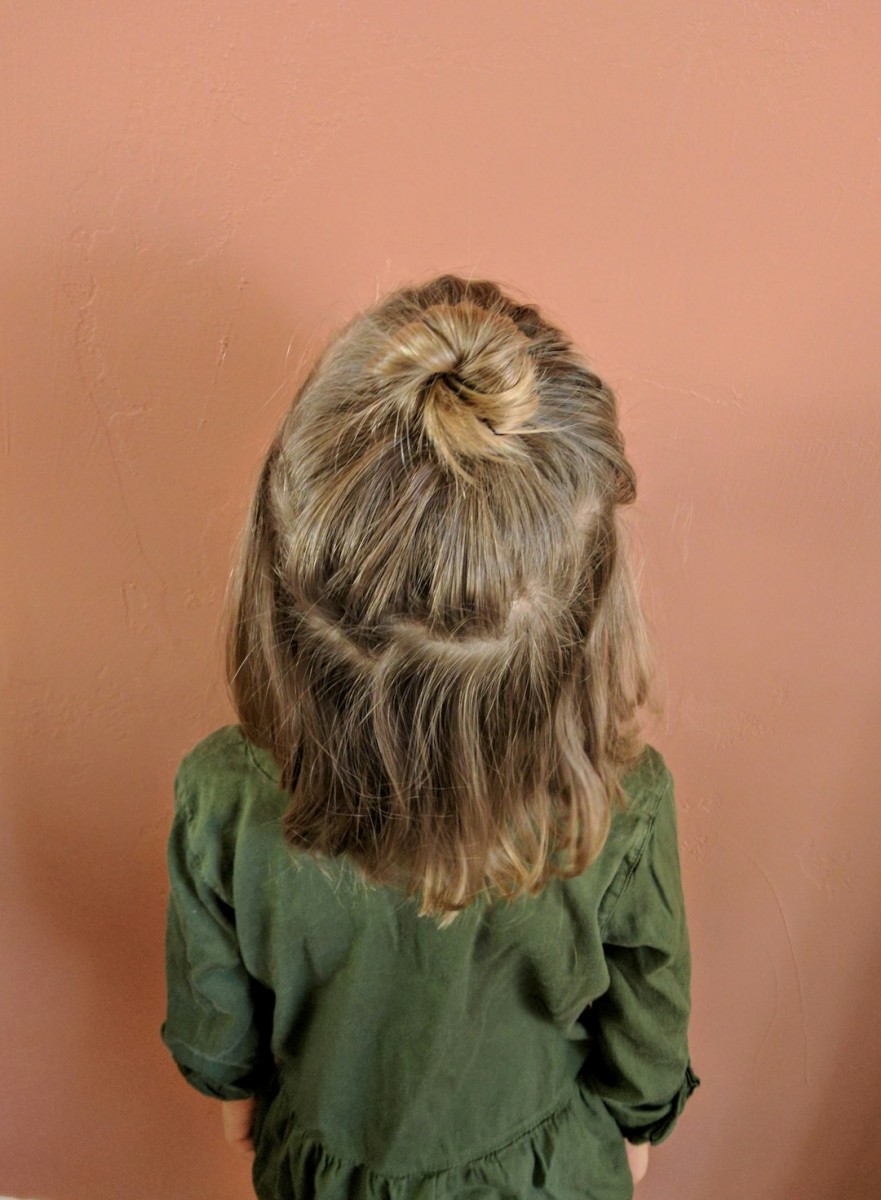
Protective hairstyles can also help reduce daily wear. Loose braids, buns, and low tension styles minimize friction and prevent tangling, especially during sleep.
Scalp Care Beyond Shampoo
Scalp care extends beyond basic washing. Buildup from oils, hard water minerals, or styling products can interfere with scalp balance and hair growth.
- Use clarifying treatments every four to six weeks if buildup is noticeable.
- Consider gentle scalp exfoliation to remove residue.
- Monitor for irritation, flakes, or itching.
Lightweight scalp oils or serums can be beneficial when used sparingly. They should support comfort and hydration without clogging follicles.
Nutrition and Lifestyle Factors
Hair growth reflects overall health. While no food or supplement can dramatically speed growth, deficiencies can slow it down or weaken hair structure.
- Consume adequate protein, as hair is primarily keratin.
- Include iron, zinc, and omega fatty acids in your diet.
- Stay hydrated throughout the day.
Stress management, regular sleep, and physical activity also influence hormonal balance, which can affect hair growth. A holistic approach supports long term results.
Trimming and Length Retention
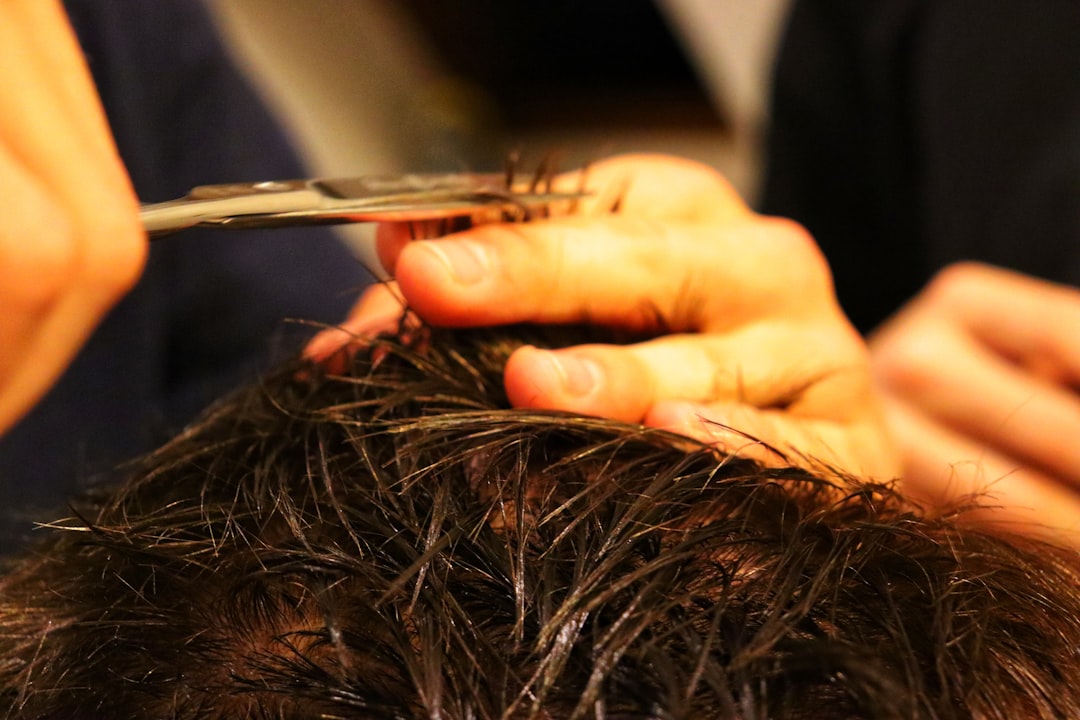
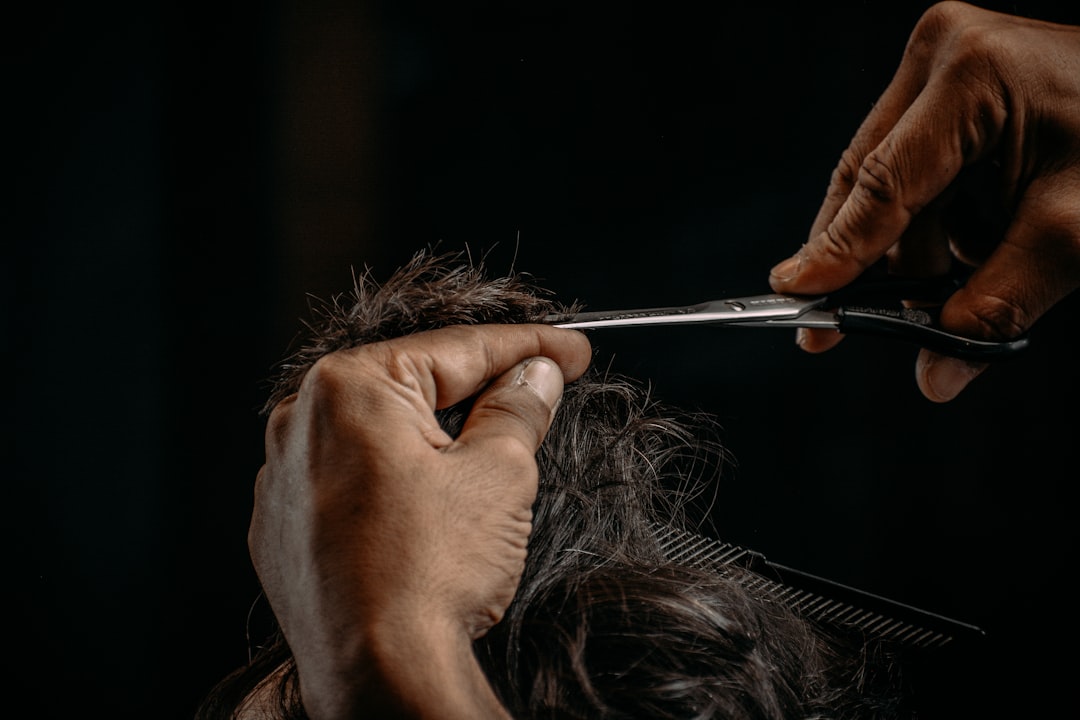
Trimming often raises concerns for people growing long hair, but strategic trims are a preventive measure, not a setback. Removing split or weakened ends prevents damage from traveling upward.
- Trim small amounts every eight to twelve weeks if needed.
- Adjust frequency based on hair texture and condition.
The goal is to maintain strong ends that resist breakage, allowing length to accumulate naturally over time.
Common Myths About Long Hair Care
Many misconceptions surround long hair routines. Frequent brushing does not make hair grow faster, and switching products constantly rarely delivers better results. Likewise, excessive oiling or washing can be counterproductive.
Consistency matters more than novelty. A simple, reliable routine practiced over months delivers better outcomes than constant experimentation.
Building a Sustainable Routine
A sustainable long hair care routine fits comfortably into daily life. It should respect individual hair type, environment, and schedule.
- Observe how your hair responds to changes.
- Adjust products seasonally if needed.
- Prioritize gentle handling above all else.
Healthy long hair is not achieved overnight. It is the result of patience, informed choices, and steady habits that protect both the scalp and the hair fiber. With balance and care, long hair can remain strong, flexible, and visibly healthy throughout its growth journey.

