

Essential SEO Optimization Techniques Every Blogger Should Use For Higher Search Rankings
Search engine optimization is no longer a technical luxury reserved for large websites with dedicated marketing teams. For bloggers, it is a foundational discipline that directly influences visibility, credibility, and long-term growth. When applied correctly, SEO helps ensure that high-quality content reaches the audiences who are actively searching for it, rather than remaining buried beneath millions of competing pages.
TLDR: Effective SEO for bloggers focuses on understanding search intent, creating valuable content, and optimizing technical and on-page elements. Keyword research, clear site structure, and strong user experience all play critical roles in higher rankings. Consistency and ongoing performance tracking are essential for lasting results.
Understanding Search Intent and Keyword Research
Every successful SEO strategy begins with understanding why users search. Search intent generally falls into informational, navigational, commercial, or transactional categories. Bloggers typically target informational intent, but aligning content with the correct intent determines whether a page ranks or gets ignored.
Keyword research remains the cornerstone of this process. Rather than focusing solely on high-volume keywords, bloggers should prioritize relevance and user intent. Long-tail keywords often have lower competition and attract more qualified readers who are actively seeking specific answers.
- Use reputable tools to identify search volume and competition.
- Analyze the top-ranking pages to understand content expectations.
- Group related keywords into topic clusters instead of targeting them individually.
Thoughtful keyword placement is equally important. Primary keywords should appear naturally in titles, headings, and early in the text, while secondary keywords support semantic depth without repetition or forced inclusion.
On-Page SEO Essentials
On-page SEO refers to the elements directly within your content and HTML that influence rankings. These signals help search engines understand what your page is about and how valuable it is to users.

Title tags and meta descriptions are among the most influential on-page elements. While meta descriptions do not directly affect rankings, they strongly influence click-through rates, which indirectly signal relevance and quality.
- Keep title tags concise, relevant, and under 60 characters.
- Write meta descriptions that clearly explain value and encourage clicks.
- Use heading tags in a logical hierarchy for readability.
Additionally, internal linking helps distribute authority across your site and improves crawlability. Each new post should link to at least a few relevant older articles, creating a cohesive internal structure that benefits both users and search engines.
Creating High-Quality, Authoritative Content
Search engines increasingly prioritize content that demonstrates expertise, experience, authority, and trustworthiness. For bloggers, this means moving beyond surface-level writing and offering depth, clarity, and original insight.
High-quality content addresses questions thoroughly, uses accurate information, and is structured in a way that makes complex topics easier to understand. Longer content often performs well, not because of length alone, but because it tends to cover topics more comprehensively.
- Answer primary and follow-up questions within the same article.
- Use examples, definitions, and explanations to build clarity.
- Ensure information is current and supported by credible sources.
Updating older content is also a powerful optimization technique. Refreshing statistics, improving structure, and expanding sections can lead to significant ranking improvements without creating new posts from scratch.
Technical SEO: Building a Strong Foundation
Technical SEO ensures that search engines can crawl, index, and understand your site efficiently. While it may appear complex, several core principles are manageable even for non-technical bloggers.

Site speed is a critical ranking factor and a major user experience signal. Slow-loading pages increase bounce rates and reduce engagement, both of which negatively affect SEO performance.
- Optimize images to reduce file sizes.
- Use reliable hosting and modern caching techniques.
- Ensure your site is fully mobile responsive.
Clean URL structures, secure HTTPS connections, and proper use of canonical tags help prevent indexing issues. A well-maintained sitemap and error-free internal links further support efficient crawling.
User Experience and Engagement Signals
User experience has become inseparable from SEO. Search engines evaluate how users interact with a page to infer its usefulness. Metrics such as time on page, bounce rate, and scroll depth provide indirect feedback on content quality.
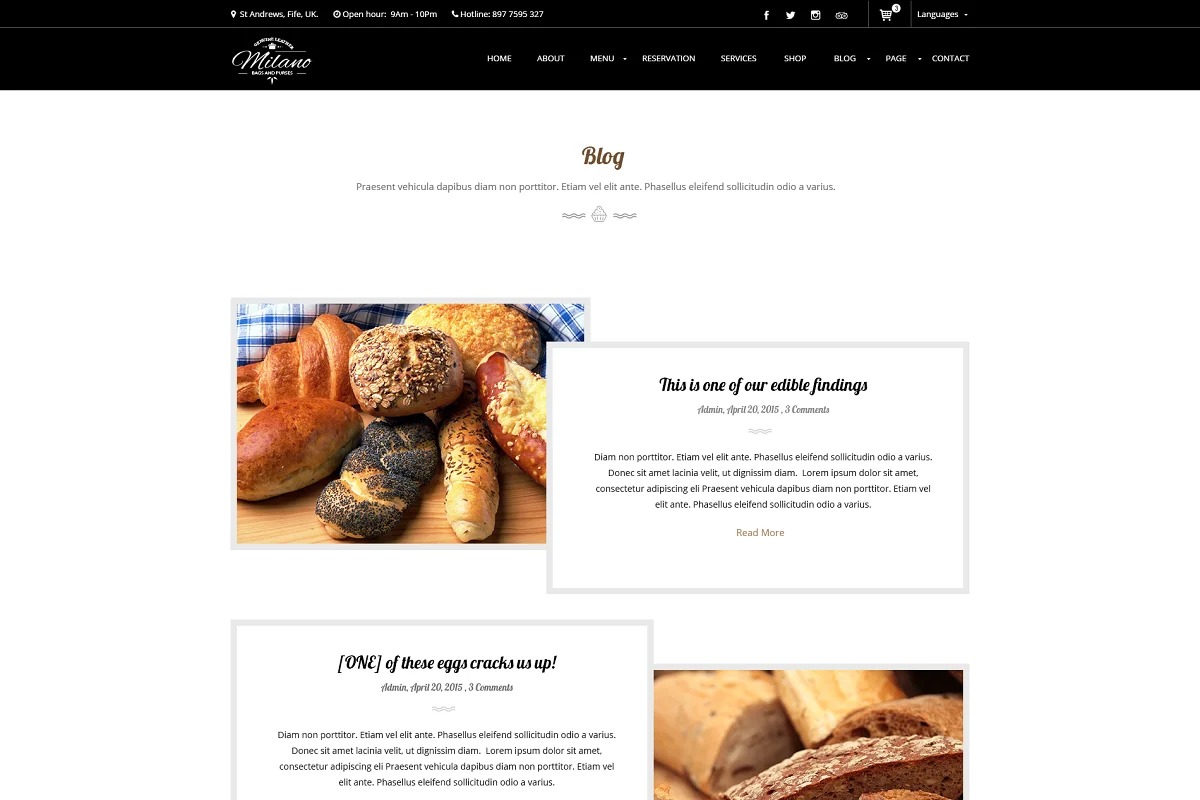
Clear navigation, readable typography, and logical content flow encourage users to stay longer and explore more pages. These behaviors strengthen engagement signals and reinforce your site’s authority.
- Use short paragraphs and clear section breaks.
- Avoid intrusive ads or popups that disrupt reading.
- Design content layouts with both desktop and mobile users in mind.
Accessibility also plays a growing role. Descriptive alt text, readable contrast, and intuitive navigation improve usability for all users and align with search engine quality standards.
Link Building and Authority Development
Backlinks remain one of the strongest indicators of authority. When reputable websites link to your content, search engines interpret this as a vote of confidence. However, quality far outweighs quantity.
Natural link building is best achieved through exceptional content that others want to reference. Outreach, guest posting, and relationship building within your niche can further amplify exposure.
- Create original research or comprehensive guides.
- Engage with industry communities and publications.
- Avoid low-quality or manipulative link schemes.
Internal authority is also important. Strengthening cornerstone content and linking strategically within your blog helps concentrate ranking power where it matters most.
Measuring Performance and Continuous Improvement
SEO is not a one-time effort but an ongoing process. Regular monitoring allows bloggers to identify what works, what needs improvement, and where new opportunities exist.
Key metrics to track include organic traffic, keyword rankings, click-through rates, and engagement behavior. Patterns over time provide more insight than short-term fluctuations.
- Review performance data monthly, not daily.
- Test small changes and measure their impact.
- Adjust content based on evolving search trends.
By approaching SEO as a structured, long-term strategy rather than a collection of tricks, bloggers can build sustainable visibility and credibility. Consistent application of these essential optimization techniques creates a strong foundation for higher rankings, more engaged readers, and lasting online authority.

