

AI Humanizer: Bridging the Gap Between Machines and Humans
As artificial intelligence rapidly integrates into our daily lives, the challenge of creating systems that feel natural and human-like grows in importance. People expect not just functionality from AI but also relatability, empathy, and contextual understanding. This is where the concept of the “AI humanizer” comes into play — a set of technologies and methodologies designed to bridge the emotional and cognitive chasm between machines and human beings.
TLDR
AI humanizers are technologies that make artificial intelligence interact more like a human, including natural speech, emotional awareness, and context understanding. These tools help improve user experiences, particularly in customer service, healthcare, education, and entertainment. As AI continues to evolve, humanization ensures trust, relevance, and ethical alignment. The future promises even more organic and seamless interactions.
What is an AI Humanizer?
An AI humanizer refers to a combination of algorithms, linguistic models, emotional recognition systems, and interface design principles that work together to make AI appear more human in its interactions. Instead of cold, robotic dialogues, AI humanizers enable dynamic conversations infused with empathy, slang, humor, and natural timing. The goal is not to trick people into thinking they’re talking to a human, but rather to make interactions comfortable, intuitive, and emotionally intelligent.
Why We Need Humanized AI
When AI systems communicate awkwardly, users quickly lose trust, patience, and engagement. Poorly humanized bots can harm brand reputation, confuse users, and result in overall dissatisfaction. Humanizing AI addresses several key objectives:
- Trust Building: Natural communication fosters user confidence.
- Emotional Engagement: Responding to user sentiment can boost loyalty and satisfaction.
- Improved Accessibility: For the elderly or non-tech-savvy, human-like interactions are easier to manage.
- Inclusion: Tailored responses based on cultural and linguistic nuances promote inclusivity.
Core Technologies Behind Humanized AI
Several sophisticated technologies contribute to the development of effective AI humanizers:
1. Natural Language Processing (NLP)
NLP is the foundation. It enables AI systems to understand grammar, idioms, context, intent, and even subtext. The more advanced the NLP, the more fluid and natural the conversation becomes.
2. Sentiment Analysis and Emotion Recognition
By analyzing tone, punctuation, word choice, and rhythm, AI can detect emotional cues and respond accordingly — whether offering sympathy, celebrating joy, or addressing frustration.
3. Voice Synthesis and Modulation
Speech synthesis systems have evolved from robotic monotones to expressive, multi-accented, and human-like voices. The pitch, pacing, and emotional tone can now be modified in real time.
4. Machine Learning and Context Awareness
Modern AI must learn from past interactions and adapt its responses based on history and user-specific data. Context-awareness is key to avoiding generic or irrelevant responses.
5. Ethical and Cultural Frameworks
AI humanizers must also comply with ethical standards, avoiding stereotypes, biases, or offensive language. Cultural tuning ensures localization of language and relevance of content.
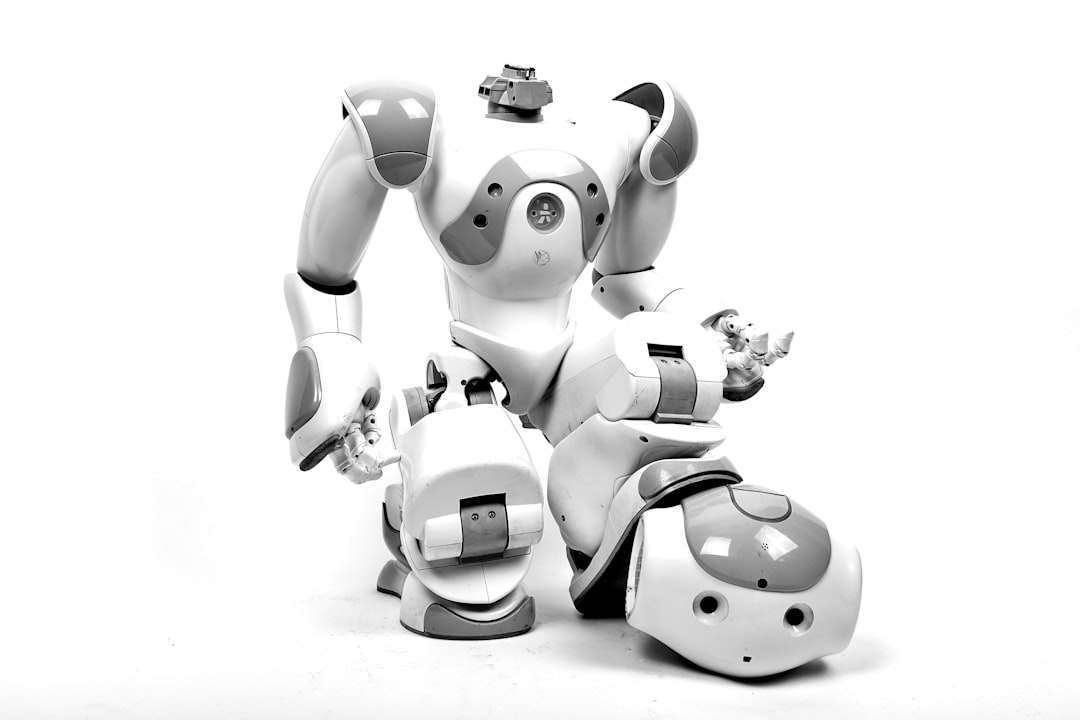
Applications of AI Humanizers
Humanized AI revolutionizes experiences across multiple sectors:
Customer Support
Chatbots equipped with sentiment analysis and context-aware NLP can manage inquiries more efficiently while making customers feel genuinely heard and understood.
Healthcare
AI therapists and diagnostic bots provide emotional support, check-ins, and reminders, helping mental health patients feel less isolated.
Education
Personalized tutors powered by humanized AI can respond to students with encouragement, patience, and adaptive teaching styles.
Entertainment
Voice assistants in video games and interactive stories become more immersive when they react in expressive and believable ways.
Challenges and Considerations
Despite promising advances, humanizing AI is not without its challenges:
- Uncanny Valley: As AI becomes more lifelike, too much realism can make interactions unsettling.
- Ethical Transparency: Users should always know they are interacting with a machine.
- Over-Personalization: Humanized AI may tread dangerously close to invading personal privacy.
- Bias Risks: Poorly trained models may replicate racial or gender biases in empathetic responses.
Developers must strike a balance between friendliness and functionality, emotion and efficiency.
The Future of AI Humanization
The ultimate vision of AI humanizers is not total imitation of humanity but augmentation of human interaction. Future systems may combine linguistic finesse with real-time facial and gesture analysis, AR avatars, or even neuro-response capabilities.
Imagine AI tutors that adapt their body language based on student frustration or virtual assistants that adjust household environments based on stress levels. As AI becomes more enmeshed in our lives, making it emotionally and conversationally *sensitive* is indispensable.

Best Practices for Developing Humanized AI
For organizations looking to implement AI humanization, here are several tried-and-true best practices:
- Evidence-Based Design: Research communication psychology and user behavior before building AI personas.
- Inclusivity Testing: Ensure that your AI interacts equitably with diverse demographics.
- Continuous Learning: Feed real-time data and feedback into your AI models to refine behavior over time.
- User Consent: Always inform users when AI is being used and allow opt-out options.
Ultimately, a successful AI humanizer doesn’t just respond — it understands, aligns with context, and respects emotional tones.
Conclusion
AI humanizers are quickly becoming a vital component of technological evolution. They bring warmth, empathy, and intelligence to traditionally impersonal digital interactions. As technology matures, the fusion of human emotion with machine precision will redefine how we engage with the digital world — not through commands and queries, but through conversations that feel as rich and nuanced as any human experience.
FAQs
-
What is the main goal of an AI humanizer?
The main goal is to make interactions with AI feel more natural, intuitive, and empathetic, improving the user experience and trust. -
Can AI really understand emotions?
While AI can’t ‘feel’ emotions, it can detect emotional cues through textual and vocal analysis and respond appropriately. -
Where are AI humanizers being used today?
They are increasingly present in customer service chatbots, virtual tutors, personal assistants, healthcare bots, and more. -
Is there a risk of AI becoming too “human”?
Yes, excessive realism can lead to ethical concerns and discomfort, often referred to as the ‘uncanny valley’ effect. -
How can developers ensure ethical humanization of AI?
By adhering to transparency, cultural sensitivity, bias mitigation, and always informing users when they are interacting with a machine.

