

Local Ecommerce Marketing Agencies: What to Look For
Choosing a local ecommerce marketing agency is a significant business decision. The right partner can improve your online visibility, increase qualified traffic, strengthen customer retention, and help convert local demand into measurable revenue. The wrong partner, however, can waste budget, damage customer trust, and leave you with reports that look impressive but do not translate into sales.
TLDR: Look for a local ecommerce marketing agency with proven ecommerce experience, transparent reporting, strong knowledge of your regional market, and a clear strategy for revenue growth. Avoid agencies that promise unrealistic results, rely on vague tactics, or cannot explain how their work connects to sales. A trustworthy agency should understand your platform, customers, competitors, and margins. Prioritize long-term performance, communication, and accountability over flashy presentations.
Why Local Expertise Matters in Ecommerce Marketing
Ecommerce is often viewed as a borderless business model, but local knowledge still matters. Even online stores are influenced by regional buying habits, seasonal demand, delivery expectations, local competitors, and community trust. A local ecommerce marketing agency can often provide insight that a distant or generalized provider may overlook.
For example, a business selling home goods in a coastal region may need different messaging than one selling to customers in an inland metropolitan area. A clothing retailer may see demand fluctuate according to local climate, events, or tourism cycles. A local agency can bring practical context to campaigns, helping your marketing feel relevant rather than generic.
This does not mean that a local agency is automatically better. It means that location can be an advantage when combined with technical competence, ecommerce experience, and disciplined strategy. The goal is to find an agency that understands both your local market and the mechanics of online growth.

Start With Ecommerce Experience, Not Just Marketing Experience
Many agencies offer digital marketing services, but ecommerce requires a distinct skill set. Selling products online involves more than generating traffic. It requires understanding conversion rates, average order value, cart abandonment, customer lifetime value, product feeds, inventory considerations, and performance attribution.
When evaluating an agency, ask whether they have direct experience with businesses similar to yours. A good agency should be comfortable discussing:
- Product page optimization and conversion improvements
- Paid search and shopping campaigns for ecommerce products
- Email and SMS retention strategies
- Search engine optimization for category and product pages
- Marketplace or social commerce integration, if relevant
- Analytics, attribution, and revenue reporting
Experience with general service businesses is useful, but it is not the same as ecommerce experience. A reliable agency should be able to explain how their work affects product sales, not simply impressions, clicks, or followers.
Look for Clear Strategy Before Tactics
A serious agency will not begin by selling isolated tactics. They should first seek to understand your business model, goals, margins, products, customer segments, and operational constraints. If an agency immediately recommends more ad spend, a new website, or a content calendar before learning about your business, consider that a warning sign.
A strong ecommerce marketing strategy usually includes several connected elements:
- Market and competitor analysis to identify opportunities and threats.
- Customer research to understand intent, objections, and purchase behavior.
- Channel planning to decide where budget and effort should be focused.
- Conversion optimization to improve the performance of existing traffic.
- Measurement planning to define success and track progress accurately.
The best agencies are not simply busy; they are deliberate. They can explain why they recommend a particular course of action and how that action supports revenue growth.
Evaluate Their Understanding of Your Ecommerce Platform
Your ecommerce platform affects nearly every marketing decision. Whether your store is built on Shopify, WooCommerce, Magento, BigCommerce, or a custom system, the agency should understand the platform’s strengths, limitations, and integrations.
Platform knowledge matters because marketing often depends on technical execution. Product feeds need to be accurate. Tracking pixels must be installed correctly. Page speed can influence both conversions and search visibility. Discount codes, checkout flows, product variants, and abandoned cart automations all require practical familiarity.
Ask the agency about their experience with your platform. They do not need to be software developers in every case, but they should know how marketing connects to the technical environment. If they will need to work with your developer or internal team, they should define responsibilities clearly.
Demand Transparent Reporting and Revenue Accountability
Trustworthy agencies provide clear reporting. They do not hide behind vanity metrics or complicated dashboards that obscure performance. While metrics such as reach, impressions, and clicks can be useful, ecommerce businesses ultimately need to understand revenue, profitability, and customer acquisition efficiency.
Important metrics may include:
- Revenue generated by channel
- Conversion rate
- Average order value
- Customer acquisition cost
- Return on ad spend
- Email revenue and repeat purchase rate
- Organic traffic to product and category pages
A serious agency should also be honest about attribution limitations. Not every sale can be perfectly assigned to one campaign, and any agency claiming perfect tracking in every situation should be questioned. What matters is whether they use consistent, reasonable methods to evaluate performance and guide decisions.

Assess Their Local Market Knowledge
Local ecommerce marketing agencies should bring more than proximity. They should understand the region where your customers live, shop, search, and make decisions. This can be especially valuable if your ecommerce store also has a physical location, local delivery area, showroom, warehouse pickup option, or regional brand identity.
Ask how the agency approaches local market research. Do they analyze regional search trends? Do they understand local competitors? Can they identify neighborhood, city, or regional differences in customer demand? Are they familiar with local media, events, partnerships, or influencer networks that could support your brand?
Local insight can improve paid advertising, search optimization, content planning, and promotional timing. For example, a campaign aligned with local holidays, school calendars, weather patterns, or events may perform better than a generic national campaign.
Check Their Approach to SEO
Search engine optimization remains one of the most important channels for ecommerce growth, but it must be handled carefully. Ecommerce SEO involves technical structure, category page optimization, product descriptions, internal linking, content strategy, site speed, and structured data.
A capable agency should be able to conduct a serious SEO audit and explain priorities in plain language. They should look beyond keywords and examine how the site is built, how products are organized, and whether search engines can properly crawl and understand the store.
Be cautious of agencies that promise immediate first-page rankings or rely on outdated link-building schemes. Reliable SEO is usually gradual, methodical, and tied to both visibility and conversion. The agency should focus on sustainable improvements rather than shortcuts that could create long-term risk.
Review Their Paid Advertising Discipline
Paid advertising can accelerate ecommerce sales, but it can also drain budget quickly. A trustworthy agency should treat your advertising spend with discipline. They should understand budget allocation, product margins, bidding strategies, audience testing, and creative performance.
Ask how they determine which products to promote. Not every product is equally suitable for paid campaigns. High-margin products, bestsellers, bundles, seasonal items, and products with strong repeat purchase potential may deserve different treatment.
The agency should also explain how they test campaigns. Serious paid media management involves ongoing refinement of audiences, keywords, creative, landing pages, and offers. If an agency simply launches campaigns and waits, performance will likely suffer.
Examine Their Conversion Rate Optimization Capabilities
Traffic is valuable only if visitors become customers. Conversion rate optimization, often called CRO, focuses on improving the percentage of visitors who complete a purchase or another valuable action. A local ecommerce marketing agency should not ignore this discipline.
CRO may involve improving product images, rewriting product descriptions, simplifying navigation, reducing checkout friction, adding trust signals, testing offers, or clarifying shipping and return policies. These changes may seem small, but they can have a substantial impact on revenue.
A mature agency will evaluate the entire customer journey. They will ask where shoppers are dropping off, what objections they may have, and whether the site creates enough confidence to complete a purchase. In many cases, improving conversion rate can make every marketing channel more profitable.
Ask About Content, Email, and Retention
New customer acquisition is important, but long-term ecommerce profitability often depends on retention. Agencies that focus only on ads may overlook the value of repeat purchases, email marketing, SMS campaigns, loyalty programs, and post-purchase communication.
Email and retention strategies can include:
- Welcome sequences for new subscribers
- Abandoned cart emails to recover lost sales
- Post-purchase follow-ups that encourage reviews and repeat orders
- Win-back campaigns for inactive customers
- Product education content that increases customer satisfaction
Good content also supports search visibility, product education, and brand trust. The agency should be able to recommend content based on customer questions, buying intent, and product value, not simply produce articles to fill a calendar.
Study Case Studies and References Carefully
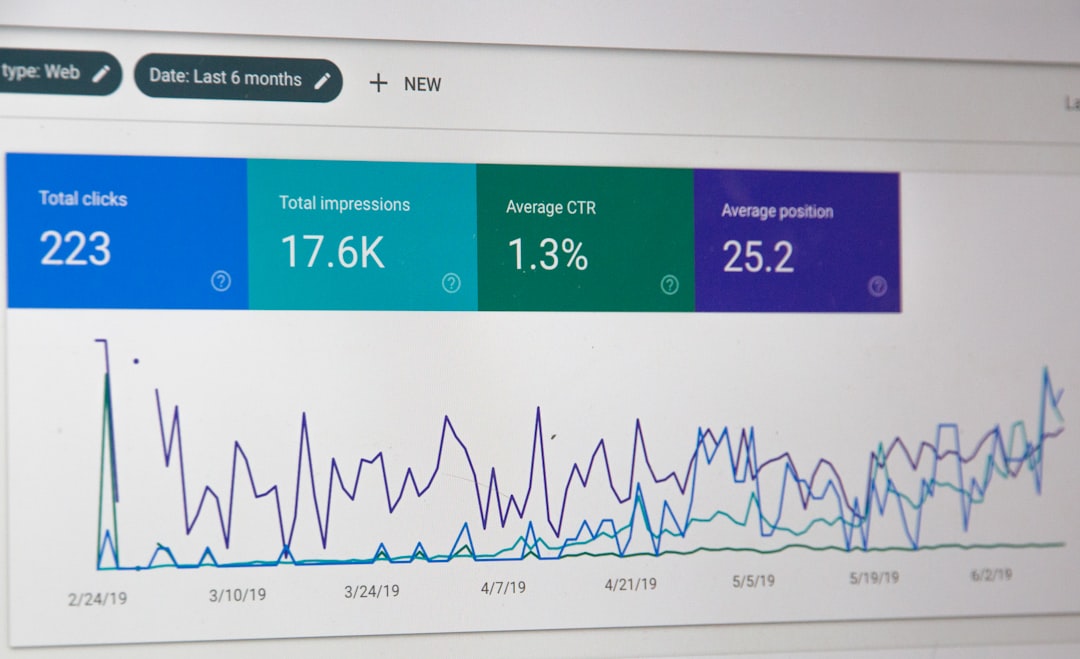
Case studies can be helpful, but they should be specific. Look for evidence of measurable improvement, such as revenue growth, conversion rate increases, improved organic traffic, reduced acquisition costs, or stronger repeat purchase rates. Vague claims such as “boosted engagement” or “improved visibility” are less meaningful unless supported by context.
When possible, ask for references from ecommerce clients. A brief conversation with a current or former client can reveal how the agency communicates, handles problems, reports results, and responds to changing business needs.
Pay attention to whether case studies resemble your situation. An agency that succeeded with a large national retailer may not be the right fit for a small regional store, and vice versa. Relevance matters.
Understand Pricing and Contract Terms
Agency pricing varies widely. Some charge monthly retainers, some bill hourly, and others offer project-based pricing. Paid advertising management may be priced separately from SEO, email marketing, or website optimization.
Before signing, make sure you understand exactly what is included. The agreement should clarify deliverables, timelines, reporting frequency, meeting schedules, ownership of accounts, cancellation terms, and any additional costs. You should retain control of your advertising accounts, analytics accounts, website access, and customer data.
Be cautious of unusually low pricing. Ecommerce marketing requires analysis, planning, execution, and ongoing optimization. A very low fee may indicate limited attention, junior staffing, or standardized work that does not fit your business. At the same time, high pricing alone does not guarantee quality. Evaluate value, not cost in isolation.
Watch for Red Flags
A careful selection process should include looking for warning signs. Some agencies are skilled at sales presentations but weak in delivery. Others may use aggressive promises to win clients quickly.
Common red flags include:
- Guaranteed rankings or guaranteed revenue without understanding your business
- Unclear reporting or reluctance to share performance data
- No ecommerce-specific experience
- Pressure to sign immediately
- Lack of ownership transparency for ad accounts or data
- Overemphasis on vanity metrics
- No clear process for strategy, testing, or optimization
A professional agency should welcome informed questions. If they become defensive when asked about methods, results, or accountability, that should concern you.
Prioritize Communication and Cultural Fit
Even a technically skilled agency can become a poor partner if communication is weak. Ecommerce moves quickly, and you need an agency that responds reliably, explains decisions clearly, and understands your priorities.
During the evaluation process, observe how they communicate. Do they ask thoughtful questions? Do they follow up on time? Do they explain complex issues without confusion? Do they listen to your concerns about budget, inventory, staffing, or operations?
Cultural fit does not mean casual friendliness alone. It means shared expectations, professional respect, and a working rhythm that supports results. A strong agency relationship should feel organized, accountable, and constructive.
Final Thoughts
Selecting a local ecommerce marketing agency requires careful judgment. The best partner will combine local market insight with ecommerce expertise, transparent reporting, strategic thinking, and disciplined execution. They will not promise effortless growth, but they will show you a credible path toward better performance.
Before making a decision, compare several agencies, ask detailed questions, review evidence, and clarify expectations in writing. A trustworthy agency should help you understand not only what they will do, but why it matters and how success will be measured. In ecommerce, serious marketing is not about activity for its own sake. It is about building a stronger, more profitable customer acquisition and retention system over time.

