
3 App Heatmap Analytics Platforms Like Hotjar For User Interaction Insights
Understanding how users interact with your website or mobile app is no longer optional—it is essential. Businesses that rely on guesswork risk losing conversions, frustrating users, and falling behind competitors. Heatmap analytics platforms provide a powerful, visual way to observe real user behavior, revealing where people click, tap, scroll, hesitate, and drop off. While Hotjar remains a popular choice, several other platforms offer equally compelling—and in some cases more advanced—insight tools tailored to modern apps.
TL;DR: Heatmap analytics tools help product teams visualize user behavior and uncover friction points. Beyond Hotjar, platforms like Smartlook, FullStory, and Contentsquare offer advanced session replays, mobile app tracking, and AI-driven insights. These tools help improve conversions, enhance UX, and optimize digital experiences. Choosing the right one depends on your business goals, technical setup, and analytics depth needs.
In this article, we’ll explore three powerful heatmap analytics platforms like Hotjar that can elevate your understanding of user interaction and fuel data-driven decisions.
Why Heatmap Analytics Matter for Apps
Before diving into alternatives, it’s worth understanding why heatmap analytics have become indispensable.
Heatmaps convert complex behavioral data into intuitive, color-coded visualizations. Instead of combing through spreadsheets of numbers, teams can instantly see:
- Click and tap distribution
- Scroll depth patterns
- Gesture behavior on mobile apps
- Dead zones where users disengage
- Confusion areas indicating UX friction
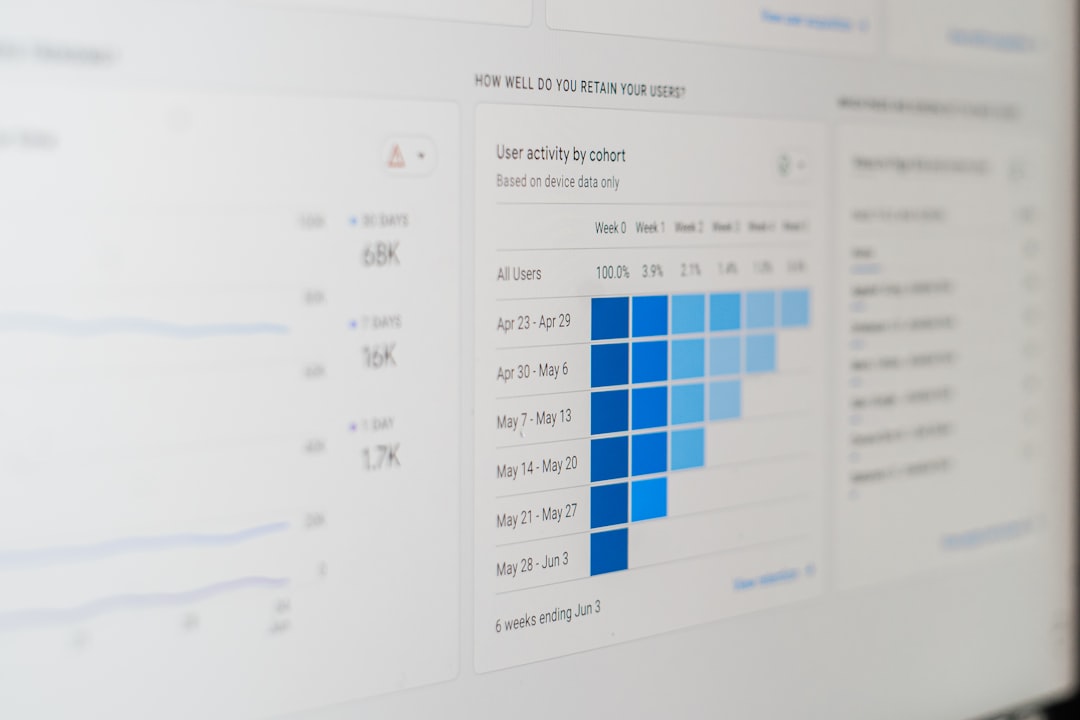
For mobile and SaaS apps in particular, these insights are critical. Unlike static websites, apps often contain layered interfaces, dynamic content, and multi-step workflows. A subtle friction point in onboarding or checkout can significantly affect retention and revenue.
Now, let’s examine three powerful platforms delivering deep interaction intelligence.
1. Smartlook
Best for: Mobile app heatmaps and session replay integration
Smartlook stands out as one of the strongest alternatives to Hotjar, especially for businesses focused on mobile apps and product analytics. While many analytics tools began with websites and later adapted to mobile, Smartlook was designed with mobile-first tracking in mind.
Key Features
- Event-based heatmaps for mobile and web apps
- Always-on session recordings
- Automatic event tracking
- Conversion funnel analysis
- Crash reporting integration
One of Smartlook’s biggest advantages is its ability to combine quantitative analytics with qualitative insights. You don’t just see where users tap—you can watch full session replays tied directly to specific events.
For example, if a heatmap shows heavy tapping on a non-clickable element, you can instantly review recordings to understand user intent. This bridges the gap between “what” is happening and “why.”
Why It’s Great for App Teams
Smartlook captures complex gestures like:
- Pinches
- Swipes
- Multi-touch interactions
This is crucial for modern mobile UX. Standard click heatmaps simply don’t capture these behaviors accurately.
Additionally, Smartlook’s funnel analytics make it easy to pinpoint exactly where users drop off in multi-step flows like onboarding, subscription upgrades, or checkout processes.
Bottom line: If your product is mobile-heavy and you need event-based heatmaps plus session replay, Smartlook is an excellent alternative.
2. FullStory
Best for: Advanced behavioral analytics and enterprise-grade insights
FullStory goes beyond traditional heatmaps by offering deep behavioral intelligence powered by data capture and AI analysis. While it includes heatmap-style visualizations, its strength lies in capturing essentially every interaction for detailed playback and analysis.
Key Features
- High-fidelity session replay
- Automatic capture of all user events
- Rage click detection
- Error and frustration signals
- AI-driven insight generation
Heatmaps in FullStory are enhanced with behavioral signals such as:
- Rage clicks (rapid clicks that indicate frustration)
- Error clicks
- Dead clicks where no action occurs
This adds an emotional layer to interaction insights. Instead of merely seeing concentrated click areas, you identify stress points within user journeys.
Enterprise-Level Power
FullStory shines in complex digital ecosystems. For SaaS platforms or large-scale applications with layered workflows, its ability to:
- Segment audiences dynamically
- Track cross-device behavior
- Integrate with product and support tools
makes it incredibly powerful.
Another strength is its search functionality. Teams can search sessions using criteria like “users who encountered error X and didn’t convert,” drastically reducing investigation time.
Bottom line: FullStory is ideal for teams that need more than simple heatmaps and want a comprehensive behavioral diagnostics platform.
3. Contentsquare
Best for: Data-driven UX optimization at scale
Contentsquare is a sophisticated digital experience analytics platform that transforms behavioral data into actionable insights. While it includes traditional heatmaps, its real strength lies in journey analytics and revenue-focused optimization.
Key Features
- Zone-based heatmaps
- User journey mapping
- Conversion impact analysis
- AI-powered recommendations
- A/B testing integrations
Unlike standard heatmaps that focus on clicks alone, Contentsquare analyzes the performance impact of each page element. It helps you answer questions like:
- Which content blocks drive conversions?
- Which elements distract from key actions?
- How does engagement vary across user segments?
Zone-Based Heatmaps
Contentsquare’s zone-based approach groups content into meaningful sections instead of individual pixel tracking. This produces cleaner, more strategic insight—especially for content-heavy apps or ecommerce platforms.
It also ties engagement directly to revenue metrics, making it appealing to growth teams and executives who need clear ROI attribution.
Bottom line: If you want heatmaps connected to big-picture performance metrics and AI-powered UX recommendations, Contentsquare delivers exceptional depth.
How to Choose the Right Platform
Each of these platforms offers similar core capabilities—heatmaps, session replay, funnels—but their strengths differ.
Choose Smartlook if:
- Your primary focus is mobile app analytics
- You need gesture tracking
- You want event-based heatmaps with strong replay integration
Choose FullStory if:
- You need deep behavioral diagnostics
- You manage complex customer journeys
- Enterprise-level data capture is required
Choose Contentsquare if:
- You prioritize conversion optimization
- You want AI-powered UX suggestions
- You need revenue-linked experience analytics
The Future of Heatmap Analytics
Heatmaps are evolving beyond static click maps. Modern platforms use AI to:
- Predict user intent
- Highlight friction automatically
- Prioritize issues by business impact
Additionally, privacy-conscious tracking and first-party data strategies are shaping how these tools collect and store interaction data. Businesses must ensure compliance while maintaining insight depth.
We’re also seeing convergence between heatmaps, product analytics, and customer experience platforms. Rather than being standalone tools, heatmap analytics are becoming integrated components within broader insight ecosystems.
Final Thoughts
User interaction data is one of the most valuable assets a digital business can harness. Visual analytics platforms transform raw behavior into clear, actionable stories. While Hotjar remains a strong option, alternatives like Smartlook, FullStory, and Contentsquare provide powerful capabilities tailored to mobile apps, SaaS platforms, and enterprise environments.
The right choice ultimately depends on your product complexity, analytics maturity, and business objectives. Whether you’re refining onboarding, optimizing checkout, or diagnosing friction in user flows, these tools can illuminate blind spots and guide confident design decisions.
In a world where user attention is fragile and competition is intense, understanding exactly how people interact with your app isn’t just helpful—it’s transformative.

