
OTT Trends Shaping the Streaming Industry
The way we watch TV has changed forever. Gone are the days of waiting for a weekly episode at a fixed time. Now, everything is on demand. Movies, series, sports, and even live events stream straight to our screens. This world is called OTT, or “over the top.” It simply means content delivered over the internet instead of cable or satellite. And it is growing fast.
TLDR: The OTT industry is evolving quickly with ad-supported plans, mobile-first viewing, and smarter recommendations. Short-form content and live streaming are booming. Global content and local stories are blending together. Technology like AI and interactive features is reshaping how we watch. The streaming wars are just getting started.
Let’s explore the biggest OTT trends shaping the streaming industry right now.
1. Ad-Supported Streaming Is Back
Ads are cool again. Well, sort of.
For years, platforms focused on ad-free subscriptions. Users paid monthly and watched without interruptions. Simple. Clean. Easy.
But prices started rising. And users began to feel it.
Now, many platforms offer cheaper ad-supported plans. You pay less. You watch a few ads. Everyone wins.
- Lower subscription fees
- More flexible plans
- Better targeting for advertisers
- New revenue streams for platforms
This hybrid model is growing fast. Even premium platforms are offering ad tiers. It helps them stay competitive. It also helps attract cost-conscious viewers.
Streaming is no longer just subscription-based. It is a mix of ads and subscriptions. And this mix is here to stay.
2. Mobile-First Viewing
Your TV screen is not the only screen anymore.
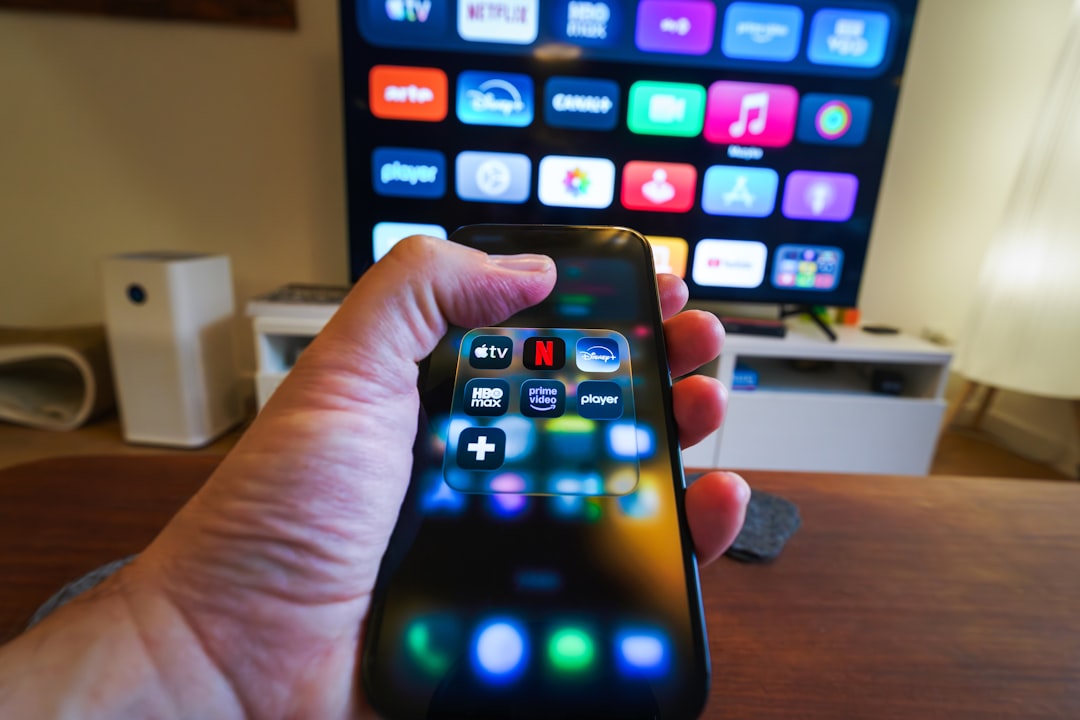
Millions of users now stream mostly on their phones. Especially in emerging markets. Mobile data is cheaper. Smartphones are everywhere. And people love watching on the go.
This changes everything.
Platforms now:
- Optimize content for smaller screens
- Offer vertical video formats
- Provide mobile-only subscription plans
- Reduce data usage with smart compression
Mobile-first design is not optional. It is essential.
Apps must load fast. Videos must adapt to weak connections. Navigation must be simple. A few seconds of delay can make users leave.
The future of OTT fits in your pocket.
3. Short-Form Content Is Rising
Attention spans are shorter. Life is busier. People want quick entertainment.
That is why short-form content is booming.
We see:
- Mini-series with 10-minute episodes
- Bite-sized reality clips
- Comedy sketches
- Highlight reels of sports and events
This style is inspired by social platforms. Fast. Engaging. Easy to share.
Some OTT platforms now integrate short content directly into their apps. It keeps users engaged between longer shows. It also attracts younger viewers.
Big shows are great. But quick content keeps people scrolling.
4. Personalized Recommendations Powered by AI
Have you noticed how your streaming app always seems to “know” what you want?
That is artificial intelligence at work.
AI tracks what you watch. When you pause. What you skip. Even what time you watch.
Then it suggests something new.
Better recommendations mean:
- More watch time
- Higher engagement
- Less user churn
- Happier viewers
Some platforms even personalize thumbnails. Two users may see different artwork for the same show. Why? Because one prefers romance. The other prefers action.
This level of personalization keeps users hooked. And it reduces the risk of them switching to another service.
Content is king. But data is queen.
5. Global Content with Local Flavor
Streaming has no borders.
A Korean drama can trend in Brazil. A Spanish thriller can become a hit in the US. A small regional film can go global overnight.
This is the power of OTT.
Platforms are investing heavily in local content production. They want authentic stories. Real culture. Local languages.
Why?
- Local stories build loyal audiences
- They stand out in crowded markets
- They travel well internationally
Subtitles and dubbing technology have improved. It is easier than ever to cross language barriers.
Content diversity is no longer a bonus. It is a strategy.
6. Live Streaming Is Expanding
Streaming used to mean on-demand. Not anymore.
Live content is growing fast.
This includes:
- Sports events
- Concerts
- Awards shows
- News broadcasts
- Gaming streams
Live content creates urgency. You must watch now. Or miss out.
It also drives community engagement. People tweet. Chat. React in real time.
Sports streaming is especially competitive. Platforms are investing billions in broadcast rights. It brings massive audiences and premium ad revenue.
Live is no longer optional. It is essential for growth.
7. Bundling Is Making a Comeback
Too many subscriptions. Too many passwords. Too many monthly charges.
Consumers feel overwhelmed.
So bundling is back.
But this time, it is different.
OTT platforms are partnering with:
- Telecom companies
- Internet providers
- Other streaming services
- Smart TV manufacturers
Users get multiple services at a discounted price. In one package. With one bill.
It feels convenient. Familiar. Almost like cable. But with flexibility.
The streaming world is slowly reinventing the bundle. In a smarter way.
8. Interactive Content and Viewer Control
Watching is becoming more interactive.
Some shows let viewers choose the story path. Others offer clickable products during episodes. Some allow live polls.
Interactive features increase engagement.
They turn passive viewers into active participants.
Examples include:
- Choose-your-own-ending movies
- Live voting in reality shows
- Shoppable content experiences
This blends entertainment with gaming and e-commerce.
It is still evolving. But it has huge potential.
9. Niche Platforms Are Growing
Not every platform wants to be huge.
Some focus on specific audiences.
We see services dedicated to:
- Anime fans
- Horror lovers
- Documentary enthusiasts
- Fitness content
- Religious programming
This niche approach works.
Why? Because it builds strong communities. People feel understood. They feel at home.
Instead of competing with giants, niche platforms serve loyal fan bases.
Sometimes, smaller is smarter.
10. Fighting Churn Is the New Priority
Churn means users canceling subscriptions.
And it is a big problem.
With so many platforms available, users jump around. They subscribe for one big show. Then leave.
To reduce churn, platforms:
- Release episodes weekly instead of all at once
- Offer loyalty rewards
- Improve user experience
- Create stronger content pipelines
The goal is simple. Keep users engaged longer.
Retention is now more important than rapid expansion.
11. Better Streaming Technology
Behind the scenes, technology keeps improving.
Users expect:
- 4K and even 8K resolution
- Minimal buffering
- Smart download features
- Seamless cross-device syncing
Cloud infrastructure and advanced compression help platforms deliver higher quality with less bandwidth.
Edge computing also reduces delays. Especially for live streams.
Good tech is invisible. But when it fails, everyone notices.
12. Data-Driven Content Creation
Studios used to rely mostly on instinct.
Now they rely on data.
Platforms analyze:
- Viewing patterns
- Completion rates
- Genre popularity
- Geographic demand
This helps them decide what to produce next.
Data reduces risk. It improves success rates.
But there is still room for creativity. Some of the biggest hits were unexpected.
The sweet spot is where data meets imagination.
What This Means for the Future
The OTT industry is not slowing down. It is evolving.
We are moving toward a world that is:
- More personalized
- More interactive
- More mobile
- More global
- More competitive
Streaming platforms must stay agile. They must experiment. They must listen to user feedback.
Consumers have more power than ever. Switching is easy. Loyalty must be earned daily.
For viewers, this is exciting. More choices. Better quality. Competitive pricing.
For businesses, it is challenging. Survival depends on innovation.
The bottom line?
OTT is reshaping entertainment. It is changing how stories are told. How ads are delivered. How communities are built.
Streaming is no longer just about watching content. It is about experience.
And this experience keeps getting better.
So grab your phone. Or your TV remote. The future of entertainment is already streaming.

