

Parking Enforcement Apps Like ParkPow That Help Manage Violations And Payments
Urban parking has become one of the most complex logistical challenges facing cities, universities, hospitals, and private property owners. Rising vehicle density, limited space, and increasing compliance requirements demand smarter solutions than handwritten tickets and manual tracking. Modern parking enforcement apps like ParkPow are transforming how violations are identified, processed, and paid—bringing efficiency, transparency, and accountability to an area that has long struggled with inefficiency.
TLDR: Parking enforcement apps like ParkPow digitize the process of issuing violations, tracking offenders, and collecting payments. They replace handwritten citations and manual record-keeping with real-time data, mobile ticketing, and automated payment systems. These platforms improve compliance, speed up revenue collection, and reduce disputes through documented evidence. For municipalities and private operators alike, they provide scalable, transparent enforcement management.
The Shift From Manual to Digital Enforcement
Traditional parking enforcement relies heavily on manual workflows. Officers issue paper tickets, records are entered into centralized systems later, and payments are processed separately—often through mail or in person. This creates delays, increases administrative burden, and multiplies the risk of human error.
Digital parking enforcement apps streamline the entire lifecycle of a violation:
- Violation issuance through mobile devices
- Automatic data synchronization to the cloud
- Photo documentation attached to citations
- Instant database checks for repeat offenders
- Online payment portals for faster collections
With these tools, enforcement becomes not only faster but more defensible. Each citation includes digital timestamps, GPS location tagging, and photographic evidence, reducing disputes and strengthening compliance.

What Makes Apps Like ParkPow Effective?
Apps such as ParkPow combine mobility, automation, and analytics in a unified platform. Their effectiveness stems from several core features designed specifically for enforcement teams and administrators.
1. Mobile-First Ticketing
Officers use smartphones or handheld devices to issue tickets on-site. License plate information can be manually entered or scanned using camera-based recognition technology. Data uploads instantly to a centralized system.
Benefits include:
- Elimination of duplicate data entry
- Reduced paperwork
- Immediate system-wide visibility
2. Real-Time Violation Tracking
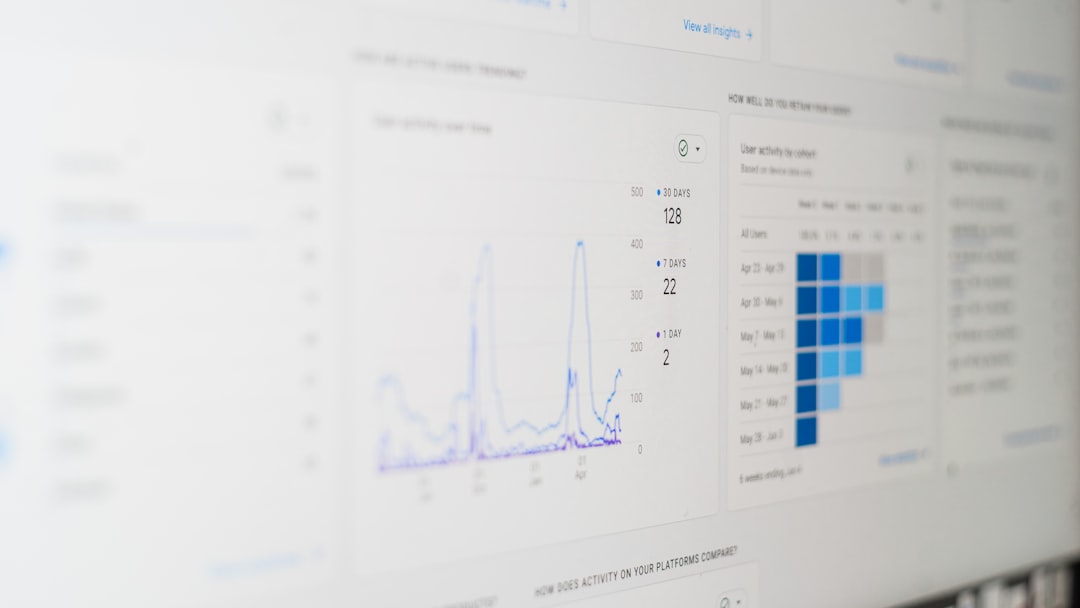
Supervisors and administrators gain immediate oversight. Dashboards show active violations, unpaid balances, repeat offenders, and enforcement patterns. This real-time visibility supports both operational decisions and policy adjustments.
3. Integrated Payment Processing
Modern enforcement apps integrate secure online payment gateways. Vehicle owners can:
- Pay tickets online
- Set up installment plans (if permitted)
- Receive email or SMS reminders
- Download receipts instantly
By lowering friction in the payment process, these systems increase voluntary compliance rates.
4. Evidence-Based Dispute Management
Digital citations include photo documentation and officer notes stored in the cloud. When a driver disputes a ticket, administrators can review all relevant information immediately—without searching through physical records.
Applications Across Different Environments
While cities are major users of these platforms, parking enforcement apps serve a broad range of organizations:
- Municipal governments managing public street parking
- Universities overseeing campus parking permits
- Hospitals regulating patient and visitor parking
- Corporate campuses enforcing employee parking zones
- Residential communities protecting private lots
Each environment requires configurable violation types, fine schedules, and reporting standards. Tools like ParkPow provide flexible rule engines to adapt to these diverse regulatory needs.
Operational Advantages for Enforcement Agencies
The transition to digital enforcement platforms delivers measurable operational improvements.
Improved Productivity
Automated workflows reduce administrative backlogs. Officers spend more time actively monitoring parking areas rather than handling paperwork.
Higher Revenue Capture
Unpaid tickets represent lost revenue. Systems that issue immediate digital notifications, send automated reminders, and provide simple payment options significantly improve collection rates.
Data-Driven Decision Making
Analytics reveal enforcement trends, including:
- High-violation zones
- Peak violation hours
- Repeat offenders
- Compliance improvements over time
This intelligence enables municipalities to redesign signage, adjust pricing, or deploy officers more effectively.
Regulatory Compliance and Transparency
Public trust is essential in enforcement. Digital documentation ensures consistent application of policies and creates audit trails that protect both the agency and the public.
Key Features Comparison of Popular Parking Enforcement Apps
Below is a simplified comparison chart highlighting major capabilities commonly found in leading enforcement platforms.
| Feature | ParkPow | Generic Enforcement App A | Generic Enforcement App B |
|---|---|---|---|
| Mobile Ticket Issuance | Yes | Yes | Yes |
| Photo Evidence Attachment | Yes | Limited | Yes |
| Cloud-Based Dashboard | Yes | Yes | Limited |
| Integrated Online Payments | Yes | Add-on | Yes |
| Automated Reminder Notifications | Yes | No | Limited |
| Analytics & Reporting | Advanced | Basic | Intermediate |
| Custom Violation Rules | Highly Configurable | Limited | Moderate |
While feature sets vary, the most effective systems combine mobility, automation, payments, and analytics within one integrated ecosystem.
Enhancing User Experience for Drivers
Parking enforcement is often perceived negatively. However, user-friendly systems can reduce friction and improve compliance perceptions.
Modern apps provide:
- Clear digital citations with transparent violation codes
- Accessible online portals
- Responsive dispute submission forms
- Real-time status tracking of appeals
When users can see photographic proof and easily understand the violation, disputes decrease and payment time shortens.
Security and Data Protection Considerations
Parking enforcement platforms handle sensitive data, including license plate numbers, payment details, and personal information. As a result, robust security standards are essential.
Trustworthy providers implement:
- Encrypted data transmission
- Role-based user permissions
- Secure payment gateways
- Compliance with local and national data regulations
Agencies evaluating solutions should carefully assess cybersecurity protocols and vendor compliance certifications.

Automation and the Future of Parking Enforcement
The next evolution of platforms like ParkPow involves deeper automation and integration.
Emerging capabilities include:
- License Plate Recognition (LPR) integration for automated scanning
- AI-assisted violation detection
- Smart meter synchronization
- Automated escalation workflows for unpaid fines
- Integration with vehicle registration databases
These advancements reduce manual intervention while maintaining due process. As cities evolve into smart urban ecosystems, enforcement technology becomes part of a broader mobility infrastructure.
Challenges to Consider Before Implementation
Despite clear advantages, transitioning to a digital enforcement system requires planning.
Common challenges include:
- Officer training and adoption
- Integration with legacy systems
- Public communication and education
- Initial infrastructure investment
Successful implementations typically include phased rollouts, stakeholder engagement, and comprehensive training programs to ensure smooth transitions.
Why Reliable Enforcement Technology Matters
Parking operations directly influence urban mobility, commercial activity, and public safety. Inefficient enforcement can result in blocked emergency routes, reduced retail access, and neighborhood congestion.
By contrast, well-managed digital enforcement systems:
- Encourage fair use of limited parking resources
- Increase space turnover in commercial districts
- Promote policy consistency
- Strengthen organizational accountability
Apps like ParkPow are not simply ticketing tools—they are comprehensive management platforms that bring structure to an essential urban function.
Conclusion
Parking enforcement apps such as ParkPow represent a significant advancement over legacy systems. By digitizing violation issuance, centralizing data, enabling instant payments, and providing actionable analytics, they create a more reliable and transparent enforcement ecosystem. Municipalities and private operators benefit from higher efficiency and revenue recovery, while drivers gain clearer communication and easier resolution pathways.
As cities continue to modernize infrastructure and embrace smarter mobility strategies, digital parking enforcement will play a critical role. Organizations that adopt robust, secure, and configurable platforms today position themselves for long-term operational resilience and improved public trust.

