
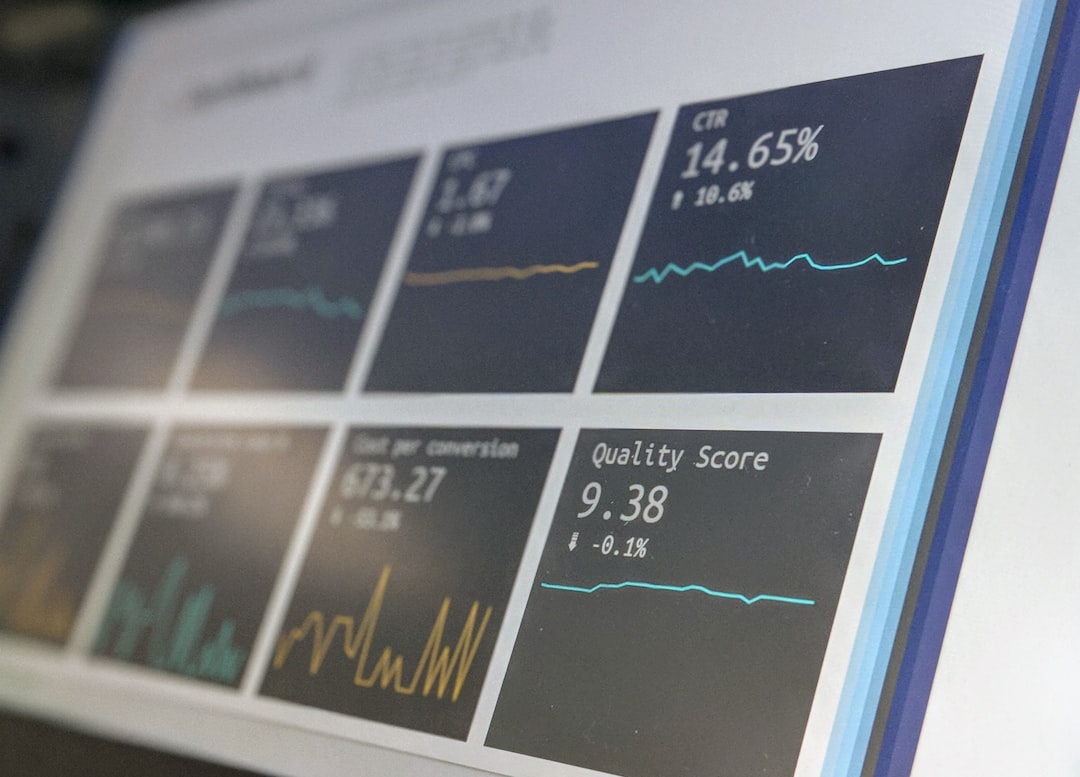
Hotel Revenue Management Software Like IDeaS That Helps Optimize Pricing And Maximize Occupancy
In today’s hyper-competitive hospitality market, setting the right room rate at the right time is no longer a guessing game—it’s a science. Hotels of all sizes are turning to sophisticated revenue management software (RMS) like IDeaS to optimize pricing, forecast demand, and maximize occupancy. With traveler behavior constantly shifting due to seasonality, events, economic factors, and online reviews, smart technology has become essential for staying profitable and competitive.
TLDR: Hotel revenue management software like IDeaS uses data, forecasting, and automation to help hotels set optimal room prices and increase occupancy. These systems analyze historical trends, competitor rates, market demand, and booking pace in real time. By automating pricing decisions and offering actionable insights, they reduce manual work while improving both revenue and profitability. Hotels that adopt RMS solutions often see stronger RevPAR, better forecasting accuracy, and more strategic control over distribution channels.
What Is Hotel Revenue Management Software?
Revenue management software is a data-driven tool designed to help hotels sell the right room to the right guest at the right price and time. Solutions like IDeaS go beyond basic rate management by combining predictive analytics, demand forecasting, competitor tracking, and automation into a centralized platform.
Rather than relying on spreadsheets or instinct, RMS platforms analyze thousands—even millions—of data points, including:
- Historical booking patterns
- Seasonal demand fluctuations
- Local events and holidays
- Market trends
- Competitor pricing
- Channel performance
- Length of stay patterns
The result? Highly optimized pricing strategies that adapt in real time.
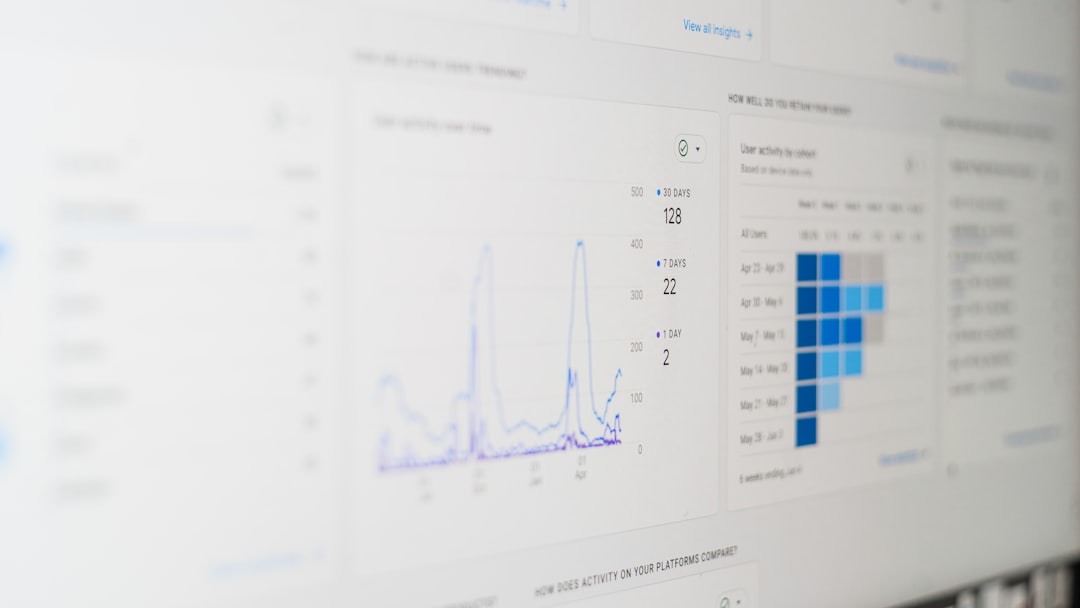
How RMS Solutions Like IDeaS Optimize Pricing
At the core of revenue management software lies advanced forecasting. Systems like IDeaS use algorithms and machine learning to predict future demand with impressive accuracy. These predictions influence pricing decisions automatically or through guided recommendations.
1. Demand Forecasting
Forecasting tools anticipate how many rooms will be booked on a given date. For instance, if a major conference is announced in the city, the RMS detects rising search and booking trends and adjusts pricing before demand peaks.
2. Dynamic Pricing
Instead of static seasonal rates, RMS platforms enable dynamic pricing—rates that change based on real-time conditions. Prices may increase as occupancy rises, or adjust downward during low demand periods to stimulate bookings.
3. Segmentation Analysis
Not all guests behave the same. Corporate travelers, leisure guests, group bookings, and OTA customers each have distinct booking habits. Revenue management systems analyze these segments independently, optimizing rates for each market segment.
4. Length of Stay Optimization
RMS platforms identify when minimum stay requirements or special packages can drive higher total revenue. For high-demand weekends, for example, a two-night minimum stay may increase profitability.
Maximizing Occupancy Without Sacrificing Revenue
Many hoteliers mistakenly equate higher occupancy with higher profitability. However, selling out rooms at low rates can hurt revenue just as much as empty rooms.
Revenue management software helps strike the perfect balance by optimizing key performance indicators such as:
- ADR (Average Daily Rate)
- RevPAR (Revenue per Available Room)
- Occupancy Rate
- GOPPAR (Gross Operating Profit per Available Room)
By continuously monitoring these metrics, RMS platforms ensure hotels do not over-discount during low seasons or underprice rooms during high-demand periods.

Key Features of Software Like IDeaS
IDeaS is widely recognized as an industry leader, but several RMS solutions share similar capabilities. Key features typically include:
- Advanced forecasting algorithms
- Automated dynamic pricing
- Real-time market intelligence
- Integration with PMS and channel managers
- Competitor rate shopping tools
- User-friendly dashboards and reporting
- Scenario modeling and what-if analysis
These features work together to remove guesswork from pricing decisions and empower revenue managers with actionable insights.
Popular Revenue Management Software Solutions
While IDeaS remains a top-tier solution, hotels can choose from several high-performing RMS platforms depending on their size, complexity, and budget.
| Software | Best For | Key Strength | Automation Level |
|---|---|---|---|
| IDeaS | Enterprise hotels, large chains | Advanced forecasting, deep analytics | Very High |
| Duetto | Luxury and lifestyle properties | Open pricing model flexibility | High |
| Atomize | Independent and mid-size hotels | Real-time price automation | Very High |
| Pace | Data-driven operators | Strong forecasting visualization | High |
| RoomPriceGenie | Small hotels and boutiques | Ease of use and affordability | Medium |
The choice largely depends on property size, technical infrastructure, and strategic objectives.
Integration: The Backbone of Effective RMS
A revenue management system is only as powerful as its integrations. Leading platforms seamlessly connect with:
- Property Management Systems (PMS)
- Channel Managers
- Booking Engines
- Customer Relationship Management tools
- Business intelligence dashboards
These integrations enable real-time data exchange, eliminating manual updates and reducing errors. When a rate changes in the RMS, it automatically updates across all distribution channels, including OTAs and direct booking platforms.
Benefits Beyond Pricing
While pricing optimization is the core function, revenue management software provides benefits that extend across the entire operation.
Improved Strategic Planning
Long-term forecasting allows hotel managers to plan staffing, marketing campaigns, and capital investments more effectively.
Better Group and Event Evaluation
RMS systems evaluate group booking requests using displacement analysis. This ensures that accepting a group at a discounted rate does not displace higher-value individual bookings.
Reduced Manual Labor
Automation frees revenue managers from constant rate monitoring, enabling them to focus on strategy rather than data entry.
Data-Backed Confidence
Perhaps most importantly, decisions are supported by analytics rather than intuition. This reduces risk and increases accountability.
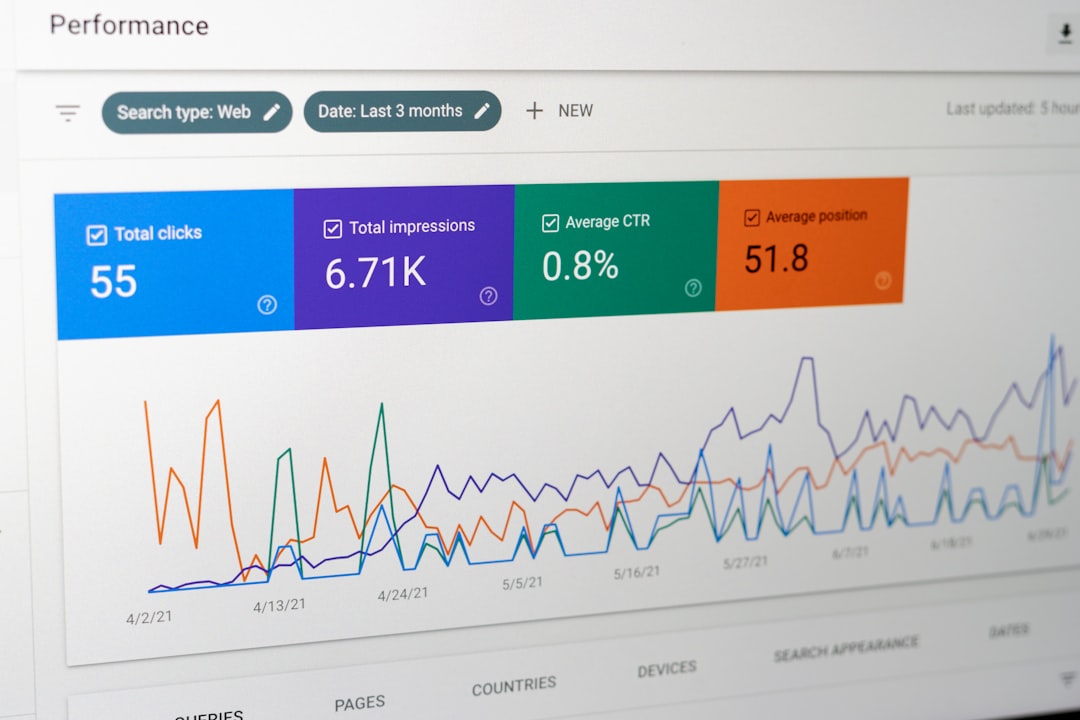
How AI and Machine Learning Are Transforming Revenue Management
Artificial intelligence is redefining how RMS platforms operate. Systems like IDeaS continuously “learn” from new booking data, adjusting forecasts as market conditions evolve.
For example, if a sudden surge in last-minute bookings becomes a pattern, the system adapts future pricing strategies accordingly. This responsiveness allows hotels to capitalize on micro-trends that manual tracking might miss.
AI also helps detect anomalies—unexpected booking spikes, cancellations, or irregular demand shifts—alerting managers to potential risks or opportunities.
Who Benefits Most from Revenue Management Software?
Although large hotel chains were early adopters, RMS solutions are now beneficial for:
- Independent boutique hotels
- Resorts and all-inclusive properties
- Extended-stay hotels
- Hotel groups and management companies
- Serviced apartments
Even small properties with fewer than 50 rooms can see measurable revenue increases when automation and forecasting replace manual rate setting.
Challenges to Consider
Despite the benefits, implementation requires thoughtful planning. Common challenges include:
- Data accuracy and system setup
- Staff training and onboarding
- Integration complexity
- Initial investment cost
However, many hotels report that increased RevPAR and operational efficiency quickly offset the investment.
The Future of Hotel Revenue Optimization
The next wave of revenue management technology will likely focus on total revenue optimization—not just rooms. Future systems are expanding into:
- Food and beverage revenue forecasting
- Ancillary upsell optimization
- Spa and wellness pricing
- Event space revenue management
This holistic approach ensures hotels maximize profitability across every revenue stream, not just guestrooms.
Conclusion
Hotel revenue management software like IDeaS has transformed pricing from an art into a data-driven discipline. Through advanced forecasting, dynamic pricing, automation, and AI-powered insights, these platforms empower hotels to maximize occupancy while protecting profitability.
In a landscape where market conditions can change overnight, relying on manual calculations is no longer sustainable. Whether for a global chain or a boutique property, implementing a robust RMS solution provides the clarity, agility, and confidence needed to thrive in a competitive hospitality industry. Ultimately, smarter pricing leads not just to fuller rooms—but to stronger financial performance and long-term success.

