
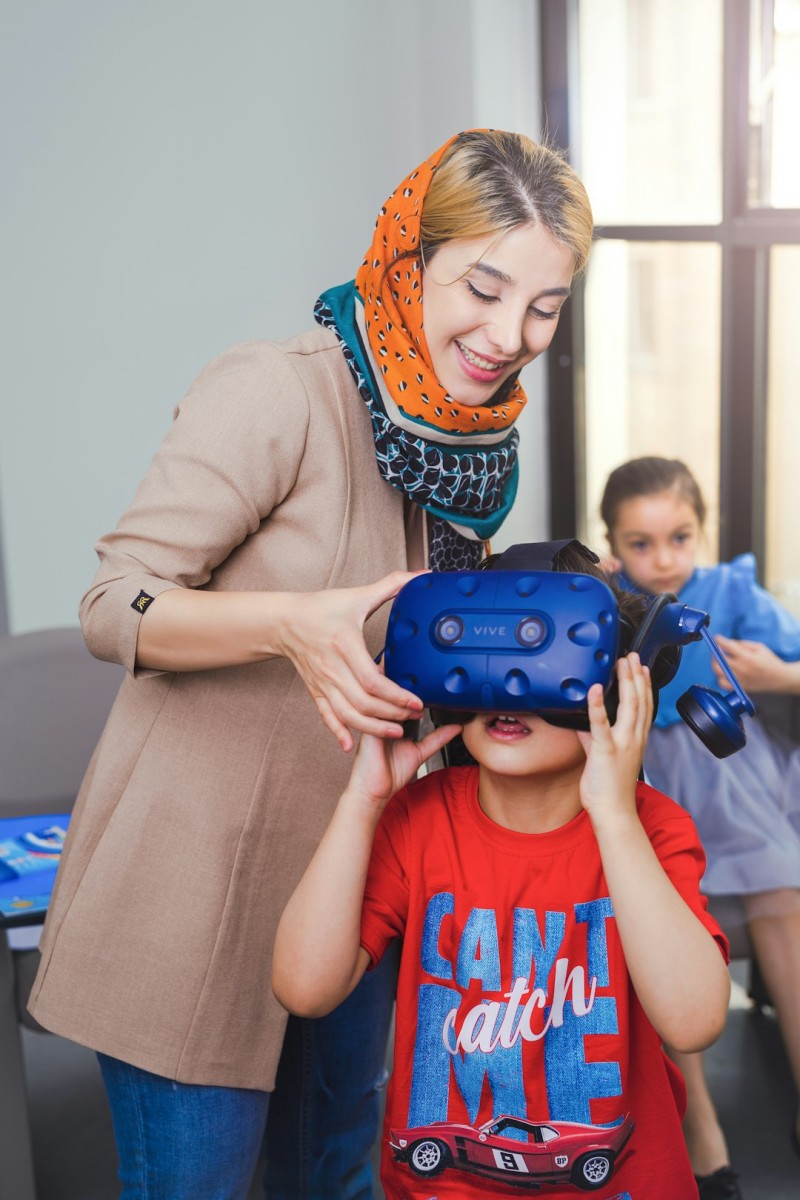
Virtual Reality Apps That Improve Learning Outcomes By 82%
Virtual reality (VR) is no longer confined to gaming and entertainment; it has become a transformative force in education. Across schools, universities, and corporate training programs, immersive virtual reality applications are reshaping how learners absorb and retain information. Recent studies suggest that VR-based learning experiences can improve learning outcomes by as much as 82% compared to traditional instruction methods. By combining immersion, interactivity, and experiential learning, VR applications are helping learners engage more deeply and remember more effectively.
TL;DR: Virtual reality apps are transforming education by increasing engagement, retention, and practical skills development. Research shows VR can improve learning outcomes by up to 82% through immersive, hands-on experiences. From virtual science labs to medical simulations and language immersion, these tools make complex concepts easier to understand. As hardware becomes more affordable, VR is rapidly becoming a mainstream educational solution.
Why Virtual Reality Improves Learning So Dramatically
Traditional learning methods often rely on lectures, textbooks, and static visuals. While effective to a degree, these formats can limit engagement and retention. VR changes this dynamic by placing learners inside interactive environments where they can actively participate rather than passively observe.
Several key factors explain the significant improvement in learning outcomes:
- Immersive engagement: Learners are fully surrounded by the educational environment, reducing distractions.
- Experiential learning: Students learn by doing rather than by listening or reading alone.
- Emotional connection: Realistic simulations trigger emotional responses that enhance memory retention.
- Instant feedback: Many VR applications provide real-time performance analysis.
- Safe practice environments: High-risk scenarios can be safely simulated.
Research in cognitive science supports the idea that memory strengthens when multiple senses are engaged simultaneously. VR leverages sight, sound, and sometimes touch, increasing the likelihood that learners internalize new concepts.
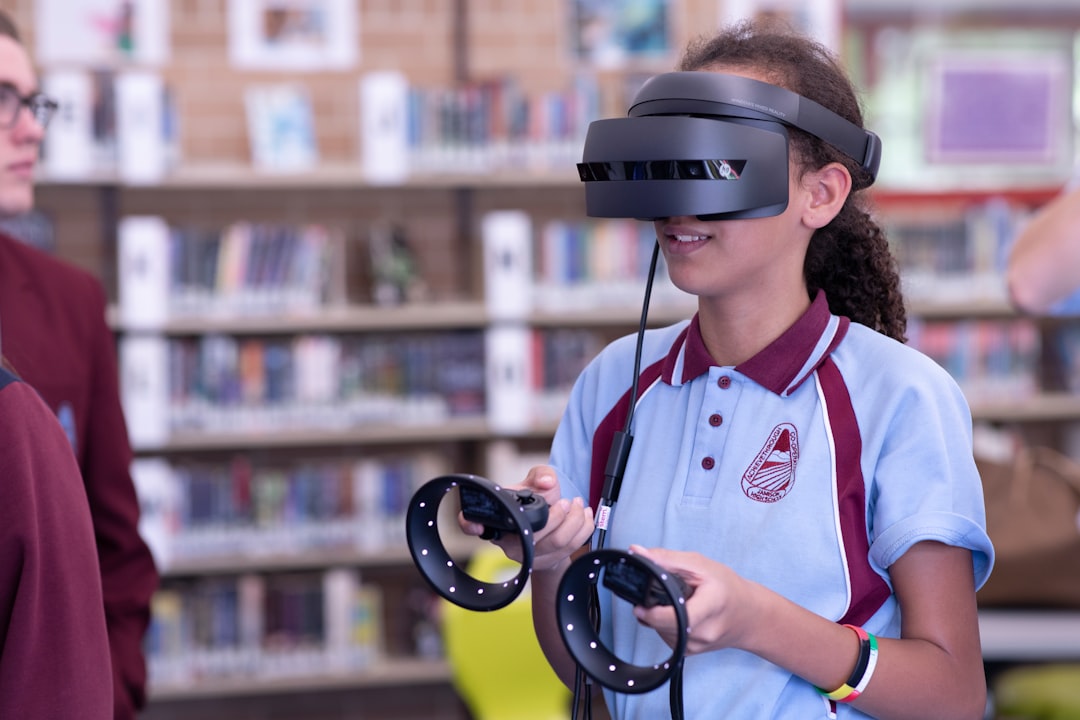
Top Virtual Reality Apps That Improve Learning Outcomes
Several VR platforms have demonstrated measurable improvements in comprehension, retention, and skill development. Below are some of the most effective applications across different learning sectors.
1. Labster – Virtual Science Labs
Labster allows students to perform complex laboratory experiments in a virtual setting. Rather than reading about chemical reactions or biological systems, students conduct hands-on simulations.
- Improves conceptual understanding in STEM subjects
- Reduces laboratory costs and safety risks
- Encourages experimentation without real-world consequences
Studies show students using virtual labs demonstrate significantly higher test scores compared to those using textbook-only methods.
2. ENGAGE – Collaborative Virtual Classrooms
ENGAGE provides a shared virtual space for educators and students. Participants interact through avatars, manipulate 3D objects, and attend immersive lectures.
- Promotes active participation
- Enhances remote learning experiences
- Supports large-scale virtual events and workshops
Its collaborative nature fosters deeper engagement compared to conventional video conferencing platforms.
3. Osso VR – Medical Training Simulations
Osso VR specializes in surgical simulations. Medical students and professionals practice procedures in a highly realistic digital environment.
- Enhances surgical accuracy
- Provides measurable performance metrics
- Reduces training costs and risks
Hospitals using VR-based surgical training report improved procedural performance and fewer mistakes in real-world operations.
Image not found in postmeta4. Mondly VR – Language Immersion
Mondly VR immerses learners in real-world conversational scenarios. Instead of memorizing vocabulary lists, users engage in simulated dialogues in restaurants, airports, or business meetings.
- Improves pronunciation through real-time feedback
- Builds conversational confidence
- Accelerates language retention
Immersive language exposure mirrors the benefits of studying abroad, without leaving home.
5. Google Expeditions (Archived but Influential)
Although discontinued, Google Expeditions demonstrated the powerful impact of guided virtual field trips. Students explored historical landmarks, underwater ecosystems, and outer space.
- Made abstract concepts visual and interactive
- Increased student engagement
- Expanded access to global experiences
Many modern VR education apps have built upon the foundation established by such early pioneers.
Comparison Chart of Leading VR Learning Apps
| App | Primary Focus | Best For | Key Benefit | Learning Impact |
|---|---|---|---|---|
| Labster | Virtual Science Labs | High school and university students | Safe hands-on STEM experimentation | Higher science test scores |
| ENGAGE | Virtual Classrooms | Remote learners and corporations | Interactive group learning | Increased engagement and collaboration |
| Osso VR | Medical Simulation | Medical professionals | Risk-free surgical practice | Improved surgical accuracy |
| Mondly VR | Language Learning | Language students | Conversational immersion | Faster retention and fluency |
The Science Behind the 82% Improvement
A PwC study found that employees trained with VR learned four times faster than those in classroom settings and were significantly more confident applying their skills. Additional research demonstrates that immersive learning environments can improve knowledge retention rates by up to 82%.
The reasons include:
- Reduced cognitive overload: Learners focus only on relevant stimuli.
- Increased emotional engagement: Emotional context reinforces memory encoding.
- Active participation: Decision-making enhances neural connections.
- Spatial memory activation: Physical interaction strengthens recall pathways.
When students feel present within a scenario, their brains process the experience as if it were real. This phenomenon, known as presence, is one of VR’s strongest cognitive advantages.

Benefits Across Different Educational Levels
K-12 Education
VR introduces younger learners to abstract topics such as astronomy, history, and biology in a tangible way. Students can explore ancient civilizations or journey through the solar system, making lessons both exciting and memorable.
Higher Education
Universities use VR for engineering simulations, medical practice, and architectural visualization. Complex theories become interactive demonstrations, significantly enhancing comprehension.
Corporate Training
Businesses use VR to train employees in leadership, customer service, and safety protocols. Simulated workplace challenges allow staff to practice without real-world consequences.
Challenges and Considerations
Despite its impressive benefits, VR implementation does come with challenges:
- Initial hardware costs
- Technical setup and maintenance
- Content development expenses
- User comfort and motion sensitivity
However, as VR hardware becomes more affordable and content libraries expand, these barriers continue to diminish. Many institutions find the long-term benefits outweigh the initial investment.
The Future of VR in Education
The future of VR learning lies in personalization and artificial intelligence integration. Adaptive VR systems will soon tailor simulations to individual learning speeds, automatically adjusting difficulty levels and feedback mechanisms.
Additionally, the rise of lightweight headsets and cloud-based VR platforms will make immersive education accessible to more schools and organizations worldwide. As research continues to confirm improved learning outcomes, adoption rates are expected to accelerate.
Virtual reality is not replacing teachers. Instead, it empowers them with better tools to enhance instruction. By combining human guidance with immersive simulation, education becomes more interactive, inclusive, and impactful.
Frequently Asked Questions (FAQ)
1. How does VR improve learning outcomes by 82%?
VR increases engagement, emotional involvement, and active participation. These factors strengthen memory retention and comprehension, leading to significantly improved outcomes compared to traditional methods.
2. Is VR suitable for all age groups?
Yes, though content must be age-appropriate. VR is used in K-12 schools, universities, and corporate environments with tailored applications for each audience.
3. Are VR learning apps expensive?
While initial hardware costs can be high, prices are decreasing. Many institutions find that reduced training errors and improved performance justify the investment.
4. Can VR replace traditional teachers?
No. VR serves as a supplementary tool that enhances teaching, rather than replacing instructors.
5. What subjects benefit most from VR?
STEM fields, medical training, language learning, and technical skills training benefit significantly. However, humanities and social sciences are increasingly adopting VR for immersive storytelling and experiential learning.
6. Is VR learning safe?
Most modern VR systems are safe when used properly. Institutions should follow recommended usage guidelines and provide supervision for younger users.
As immersive technology continues evolving, virtual reality apps are setting a new standard for education. With measurable improvements in engagement and retention, they represent one of the most powerful learning innovations of the 21st century.

