

Platforms Developers Use Instead of Lightdash for Open-Source BI Dashboards
Open-source business intelligence (BI) tools have become a core part of modern data stacks. While Lightdash has gained popularity for its tight integration with dbt and intuitive analytics workflows, many developers look for alternatives that better match their technical requirements, scalability goals, or customization needs. Whether driven by performance concerns, feature gaps, licensing preferences, or infrastructure flexibility, teams frequently evaluate a range of open-source BI dashboards to power their analytics environments.
TLDR: Developers choose alternatives to Lightdash when they need broader database support, deeper customization, stronger visualization capabilities, or embedded analytics options. Popular open-source platforms include Metabase, Apache Superset, Redash, Grafana, and Cube with custom frontends. Each offers different strengths, from simplicity and quick setup to advanced scalability and API-first flexibility. The best choice depends on technical stack, team size, and long-term roadmap.
Why Developers Look Beyond Lightdash
Lightdash excels in dbt-native analytics and metric governance. However, not every team builds its workflows around dbt, and some organizations require:
- Broader data source compatibility
- Advanced visualization control
- Embedded dashboard capabilities
- Real-time monitoring
- Full frontend customization
In some cases, engineering teams prefer tools that operate independently of dbt or support hybrid data stacks mixing warehouses, OLTP databases, and streaming systems.
1. Metabase

Metabase is one of the most widely adopted open-source BI tools. It offers an intuitive interface designed for both technical and non-technical users.
Key advantages:
- Simple installation and deployment
- User-friendly query builder
- Broad database support
- Strong community backing
Unlike Lightdash, which heavily integrates with dbt metrics, Metabase allows teams to build queries directly against their databases. This flexibility appeals to startups and teams that prefer agility over strict metric governance.
Best for: Small to mid-sized teams wanting quick dashboard deployment without deep configuration.
2. Apache Superset
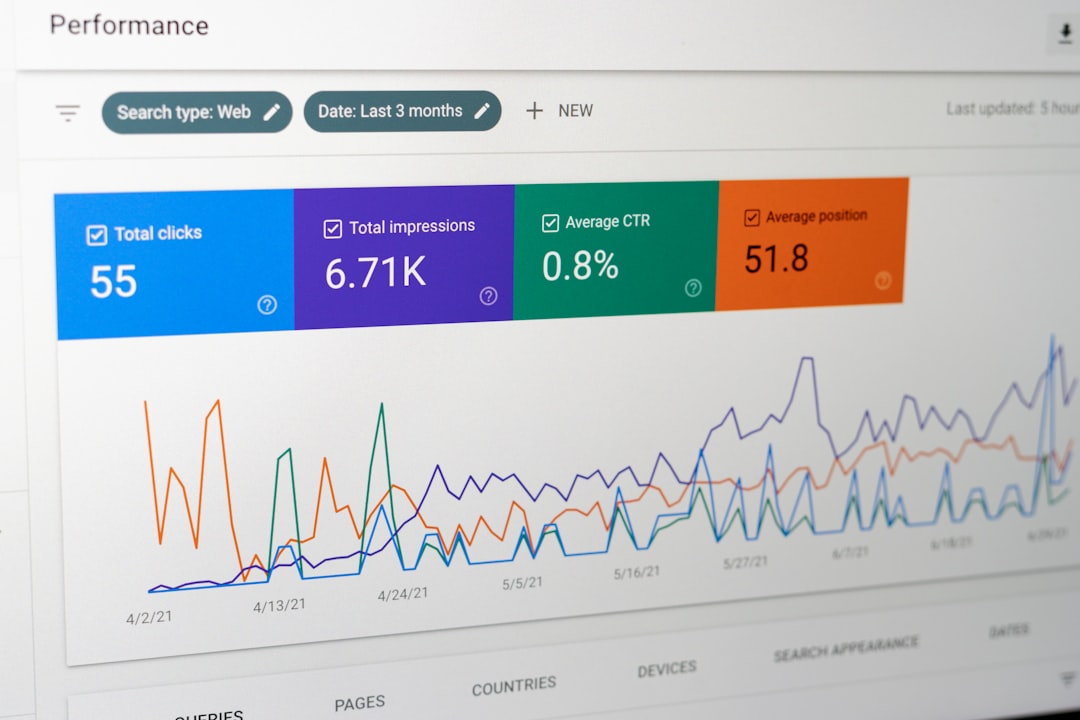
Apache Superset is a highly extensible open-source BI platform originally developed at Airbnb. It is known for its scalability and rich visualization ecosystem.
Strengths include:
- Advanced chart customization
- Enterprise-grade scalability
- Extensive plugin system
- SQL-first flexibility
Superset is SQL-centric, giving developers full control over queries and transformations. Compared to Lightdash’s metric-layer approach, Superset feels more like a developer playground where custom dashboards and visualizations can be finely tuned.
Best for: Engineering-driven teams that want high customization and control at scale.
3. Redash
Redash is a lightweight SQL-based BI and dashboarding solution that emphasizes simplicity and collaboration.
Why developers choose Redash:
- Quick SQL editor with autocomplete
- Strong visualization library
- Query result sharing
- API access for automation
Redash appeals to teams that prioritize direct SQL access and fast sharing of insights. While not as feature-rich as Superset, it delivers a streamlined analytics workflow. For organizations not invested in dbt transformations, Redash may feel more flexible than Lightdash.
Best for: SQL-savvy teams needing lean dashboards with minimal overhead.
4. Grafana
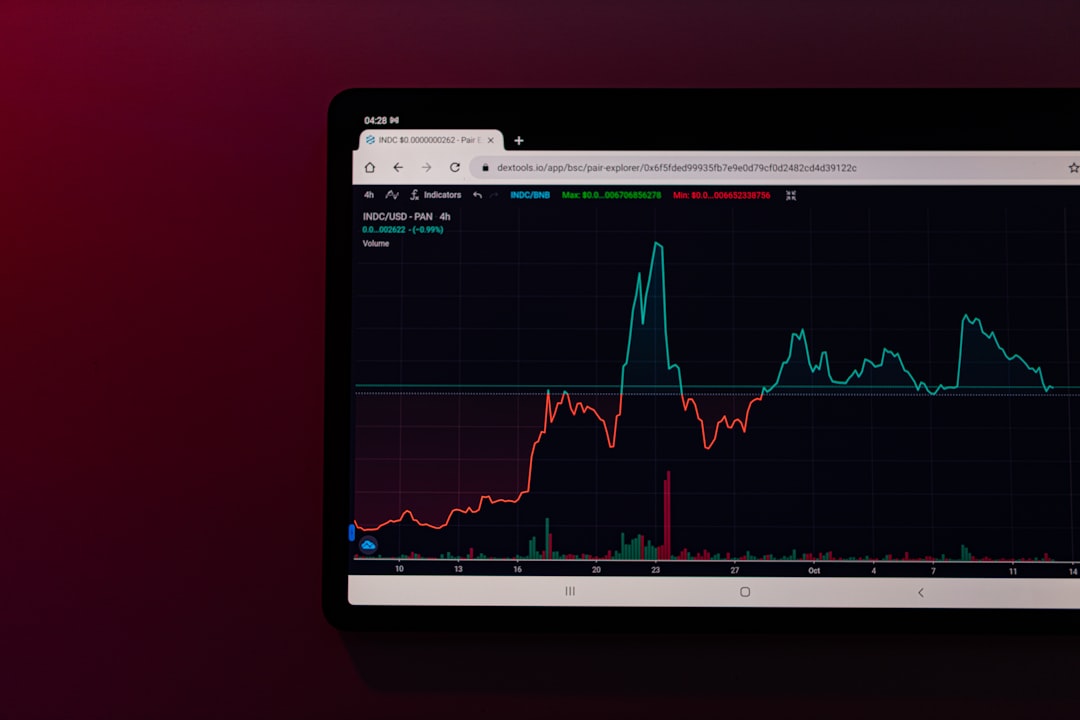
Grafana is traditionally associated with observability and time-series monitoring, but many developers use it as a BI dashboard solution.
Key capabilities:
- Real-time analytics
- Wide plugin integrations
- Time-series excellence
- Alerting systems
Grafana stands apart from Lightdash by specializing in operational and real-time data. It integrates with Prometheus, Elasticsearch, PostgreSQL, and many other sources. While it lacks the semantic layer concept central to Lightdash, it excels at live monitoring dashboards.
Best for: DevOps teams and companies prioritizing real-time metrics.
5. Cube with Custom Frontends
Cube is an open-source semantic layer and analytics API platform that developers combine with frontend frameworks like React or Vue.
Why Cube gains traction:
- Headless BI architecture
- Caching and performance optimization
- Customizable frontend experiences
- Strong governance capabilities
Unlike ready-made dashboards such as Lightdash, Cube provides a backend analytics engine. Teams then design fully custom dashboards using frontend libraries. This architecture offers maximum flexibility, especially for embedded analytics within SaaS products.
Best for: SaaS companies building embedded or customer-facing analytics.
Feature Comparison Chart
| Platform | Primary Strength | Best For | Customization Level | Real-Time Support |
|---|---|---|---|---|
| Lightdash | dbt Integration | Metric governance | Medium | Limited |
| Metabase | Ease of Use | Quick deployment | Low to Medium | Moderate |
| Apache Superset | Advanced Visualization | Enterprise scale | High | Moderate |
| Redash | SQL Simplicity | Lean analytics | Medium | Moderate |
| Grafana | Time-Series Monitoring | Operational metrics | High | Strong |
| Cube | Headless BI | Embedded analytics | Very High | Flexible |
How Developers Choose the Right Alternative
Selection typically depends on several technical and organizational factors:
- Data stack maturity: Teams deeply invested in dbt may stick with Lightdash, while others prefer SQL-first tools.
- User audience: Non-technical business users often require intuitive builders like Metabase.
- Performance requirements: Cube or Superset may better handle large-scale warehouse workloads.
- Embedding needs: Cube or custom Grafana builds suit SaaS integrations.
- Real-time metrics: Grafana dominates this category.
There is no universal replacement. Developers align tools with use case maturity, long-term growth plans, and required customization depth.
Open-Source Considerations
When moving away from Lightdash, teams also weigh broader open-source considerations:
- Community support and governance
- Frequency of updates
- Plugin ecosystem
- Hosting and infrastructure costs
Tools like Superset benefit from strong Apache governance, while others rely heavily on commercial backers. Evaluating roadmap transparency and ecosystem growth is critical for long-term sustainability.
Conclusion
Lightdash remains a powerful open-source BI dashboard solution, especially for dbt-centric data teams. However, alternatives like Metabase, Apache Superset, Redash, Grafana, and Cube provide compelling options depending on technical priorities and operational context.
For teams focused on simplicity, Metabase stands out. For deep customization, Superset and Cube shine. For operational and real-time analytics, Grafana dominates. The open-source BI landscape continues to evolve rapidly, offering developers increasing freedom to design analytics systems tailored to their specific product and business needs.
FAQ
1. Is Metabase easier to use than Lightdash?
Yes, many teams find Metabase easier for non-technical users because it includes a visual query builder and simpler setup process.
2. Which alternative is best for real-time analytics?
Grafana is generally the best choice for real-time metrics and operational monitoring dashboards.
3. Can Apache Superset replace Lightdash in enterprise environments?
Yes, Superset is highly scalable and often deployed in enterprise environments requiring advanced visualization and customization.
4. What is the advantage of Cube compared to traditional BI dashboards?
Cube provides a headless semantic layer and API-first architecture, allowing full frontend customization and embedded analytics capabilities.
5. Are these platforms fully open-source?
Most of them offer open-core or fully open-source versions, but some provide additional paid enterprise features depending on deployment needs.

