

5 Platforms Similar to Retool for Internal Tool Development
Modern organizations rely heavily on internal tools to manage operations, automate workflows, and centralize data. Platforms like Retool have become popular because they dramatically reduce the time and engineering effort required to build dashboards, admin panels, and operational applications. However, Retool is not the only solution in this space. Depending on your organization’s size, security requirements, hosting preferences, and budget, there may be other platforms better suited to your needs.
TLDR: Several powerful platforms offer functionality similar to Retool for internal tool development, including Microsoft Power Apps, Appsmith, Budibase, OutSystems, and ToolJet. Each differs in terms of customization, scalability, hosting options, and pricing structure. Open-source flexibility, enterprise-grade governance, and low-code usability are key differentiators. Carefully evaluating your technical environment and growth plans will help you choose the best fit.
Why Consider Alternatives to Retool?
Retool is widely regarded as a leading low-code platform for building internal applications. It integrates seamlessly with databases and APIs, provides a drag-and-drop interface, and enables developers to create production-ready tools quickly. However, there are several reasons teams explore alternatives:
- Cost considerations for growing teams
- Open-source requirements for flexibility and compliance
- Self-hosting needs for data security or regulatory reasons
- Advanced enterprise governance features
- Preference for Microsoft or other ecosystem integrations
Below are five reputable and capable alternatives that organizations frequently evaluate.
1. Microsoft Power Apps
Microsoft Power Apps is part of the Microsoft Power Platform and offers a low-code approach to building business applications. For companies already embedded in the Microsoft ecosystem, it is often a natural choice.

Key Strengths:
- Deep integration with Microsoft 365, Azure, and Dynamics
- Strong compliance and enterprise governance controls
- Prebuilt connectors for hundreds of services
- Robust automation through Power Automate
Ideal Use Case: Enterprises using Microsoft infrastructure that want seamless authentication, data integration, and workflow automation within their existing environment.
While Power Apps is powerful, its licensing model can become complex and potentially costly at scale. Additionally, customization beyond its ecosystem may require a steeper learning curve.
2. Appsmith
Appsmith is an increasingly popular open-source alternative to Retool. It provides a developer-friendly platform for building internal dashboards, tools, and admin panels.
Key Strengths:
- Fully open-source core
- Self-hosting flexibility
- Easy API and database integration
- Active developer community
Ideal Use Case: Engineering-driven teams that value transparency, extensibility, and control over infrastructure.
Appsmith appeals particularly to organizations that want to avoid vendor lock-in. Because it is open source, teams can customize nearly every component. However, that flexibility may require more technical hands-on involvement than fully managed SaaS tools.
3. Budibase
Budibase blends low-code simplicity with open-source flexibility. It enables teams to build internal tools rapidly, either hosted in the cloud or deployed on their own infrastructure.
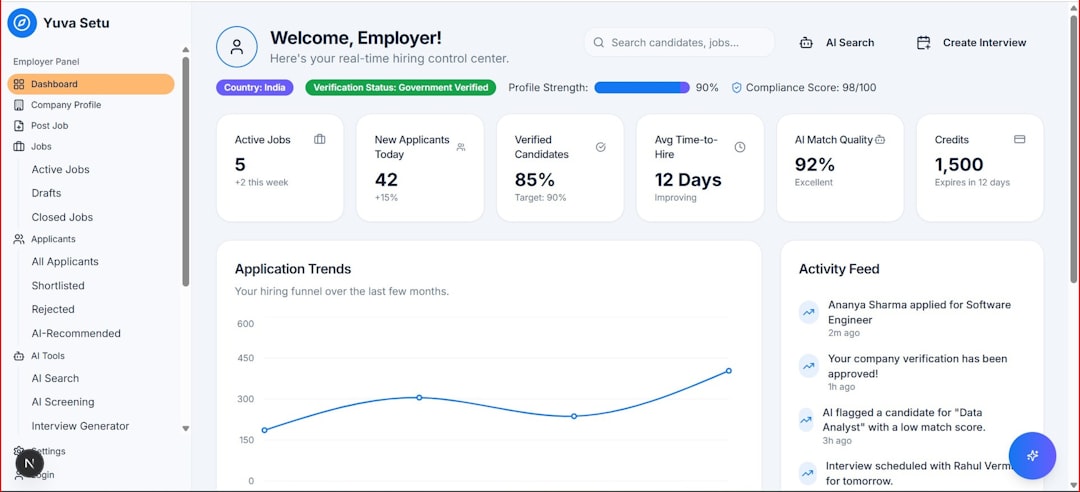
Key Strengths:
- Supports both self-hosted and cloud deployment
- Built-in database option
- Automations integrated directly into apps
- User-friendly UI builder
Ideal Use Case: Small to mid-sized businesses seeking rapid deployment without extensive configuration.
Budibase stands out for its simplified deployment model and accessibility for non-developers. While it may not offer the same enterprise-level governance framework as some competitors, it is gaining traction among startups and growing companies.
4. OutSystems
OutSystems is a high-performance low-code platform aimed at enterprise-grade application development. While broader in scope than Retool, it can serve similar internal tool development needs.
Key Strengths:
- Enterprise scalability
- Advanced security and compliance capabilities
- AI-assisted development features
- Strong mobile and web application support
Ideal Use Case: Large enterprises that require scalable, mission-critical applications with strict regulatory standards.
OutSystems is generally more robust and complex than Retool. It is best suited for organizations with dedicated IT teams and sophisticated development processes. Pricing reflects its enterprise positioning, making it less accessible for smaller teams.
5. ToolJet
ToolJet is another open-source internal tool platform designed to offer strong integration capabilities with databases, APIs, and third-party services.
Key Strengths:
- Open-source foundation
- Cloud and self-hosting options
- Supports complex workflows
- Granular access control features
Ideal Use Case: Teams seeking flexibility in deployment and cost control while maintaining strong customization capabilities.
ToolJet combines ease of use with transparent development practices. Like other open-source platforms, its performance largely depends on implementation quality and internal expertise.
Comparison Chart
| Platform | Open Source | Self-Hosting Available | Enterprise Features | Ease of Use | Best For |
|---|---|---|---|---|---|
| Microsoft Power Apps | No | Limited (via Azure) | Excellent | Moderate | Microsoft-based enterprises |
| Appsmith | Yes | Yes | Good | Moderate | Developer-led teams |
| Budibase | Partially | Yes | Moderate | High | Startups and SMBs |
| OutSystems | No | Managed enterprise hosting | Excellent | Moderate | Large enterprises |
| ToolJet | Yes | Yes | Good | High | Flexible engineering teams |
Key Factors to Consider
When evaluating internal tool development platforms, it is essential to move beyond surface-level feature comparisons. Consider the following criteria:
1. Hosting and Data Security
Industries such as healthcare, finance, and government often require self-hosted solutions. Open-source platforms like Appsmith and ToolJet offer increased deployment flexibility. Enterprises relying on internal data governance may prioritize this capability.
2. Integration Ecosystem
The value of these platforms depends heavily on how well they connect to your existing data sources. SQL databases, REST APIs, GraphQL, and CRM systems should integrate seamlessly. Microsoft-centric organizations may find Power Apps especially compelling.
3. Scalability
Building a small operations dashboard is very different from supporting thousands of users across multiple departments. OutSystems excels in scalable deployments, while lighter platforms are better suited for departmental tools.
4. Total Cost of Ownership
Licensing fees, hosting infrastructure, maintenance overhead, and training costs should all be evaluated. Open-source solutions may reduce subscription costs but increase operational responsibility.
5. Development Workflows
Some platforms are optimized for developers; others empower business users. Aligning platform complexity with team skill level is critical for long-term sustainability.
Final Thoughts
The market for internal tool development platforms has matured significantly. Organizations are no longer limited to traditional custom development, nor are they constrained to a single vendor. Whether prioritizing governance, flexibility, open-source transparency, or seamless enterprise integration, there are multiple credible alternatives to Retool.
Microsoft Power Apps stands out for enterprise Microsoft customers. Appsmith and ToolJet provide strong open-source advantages. Budibase balances ease of use with deployment flexibility. OutSystems addresses the needs of organizations demanding high scalability and advanced compliance features.
Choosing the right platform requires a clear understanding of your data architecture, compliance needs, team capabilities, and budget constraints. A careful pilot implementation, combined with stakeholder input, often provides the most reliable path to a confident decision.
Ultimately, the right internal tool platform should not only accelerate development but also strengthen operational resilience and long-term adaptability.

