
6 Error Tracking Software for Developers With Stack Trace and Performance Insights
Modern software systems are complex, distributed, and constantly evolving. Even highly skilled development teams cannot prevent every bug, outage, or performance bottleneck. What separates resilient engineering organizations from the rest is not the absence of errors, but how quickly and intelligently they detect, analyze, and resolve them. Error tracking software equipped with stack trace analysis and performance monitoring insights has become an essential component of modern development workflows.
TLDR: Error tracking tools help developers detect, prioritize, and fix bugs faster by providing real-time alerts, detailed stack traces, and performance metrics. The best platforms combine crash reporting with application performance monitoring for full visibility. This article reviews six leading solutions and compares their strengths, integrations, and ideal use cases. Choosing the right tool depends on your stack, team size, and observability needs.
Below are six reliable error tracking solutions that stand out for their technical depth, scalability, and actionable insights.
1. Sentry
Sentry is one of the most recognized names in error monitoring. It provides real-time exception tracking, rich stack traces, and integrated performance monitoring across web, mobile, and backend applications.
Key strengths:
- Detailed stack traces with contextual code snippets
- Release tracking and issue regression detection
- Distributed tracing for performance bottlenecks
- Wide language and framework support
Sentry groups similar errors intelligently, reducing noise and alert fatigue. Its performance monitoring tools allow teams to trace slow transactions across services, making it especially useful in microservices architectures.
For teams embracing DevOps practices, Sentry integrates seamlessly with CI CD pipelines, GitHub, GitLab, and Slack, ensuring errors are surfaced directly within existing workflows.
Best suited for: Teams seeking combined error tracking and performance monitoring in one unified platform.
2. Rollbar
Rollbar focuses on real-time error detection with powerful diagnostics and automated triaging. It emphasizes rapid debugging by providing full stack traces and contextual metadata.
Key strengths:
- Instant error alerts with customizable rules
- Root cause analysis with detailed telemetry
- Automated error grouping and fingerprinting
- Deployment tracking to identify fault introductions
Rollbar excels at identifying when new code deployments introduce critical failures. Developers can correlate issues directly with specific releases, accelerating rollback or patch decisions.
Its clean interface allows teams to analyze stack frames, request parameters, environment details, and user impact in one place.
Best suited for: Agile teams releasing frequently and needing immediate feedback on production code health.
3. Bugsnag
Bugsnag is engineered to help teams prioritize stability by focusing on the business impact of errors. Instead of simply listing issues, it calculates stability scores and highlights which bugs affect the most users.
Key strengths:
- Session tracking for user impact measurement
- Diagnostic reports with stack trace breadcrumbs
- Performance insights alongside crash data
- Comprehensive mobile support
Its stability score system is particularly useful for product managers and engineering leads who need measurable quality indicators. By linking stack traces to real user sessions, teams gain meaningful insight into how errors affect the customer experience.

Best suited for: Organizations that prioritize user experience metrics and mobile stability.
4. Datadog Error Tracking
Datadog is traditionally known as a full observability platform, but its error tracking capabilities are tightly integrated with logs, infrastructure metrics, and application performance monitoring.
Key strengths:
- Error grouping tied to trace and log data
- Deep infrastructure correlation
- Distributed tracing across cloud environments
- AI driven anomaly detection
Because Datadog connects logs, traces, and metrics within a single ecosystem, developers can investigate issues holistically. A stack trace is not viewed in isolation but alongside CPU usage spikes, container restarts, or database latency increases.
This unified approach makes Datadog especially powerful for large-scale distributed systems deployed in the cloud.
Best suited for: Enterprises needing full stack observability beyond simple error tracking.
5. New Relic Errors Inbox
New Relic has evolved into a complete observability suite, and its Errors Inbox provides focused error aggregation connected to performance telemetry.
Key strengths:
- Centralized error visibility across services
- Transaction tracing and performance breakdown
- Direct connection between code level errors and infrastructure metrics
- Interactive dashboards
New Relic’s strength lies in its ability to map an application’s entire topology. Developers can trace an error from a user request through backend services and database calls while analyzing latency at each stage.
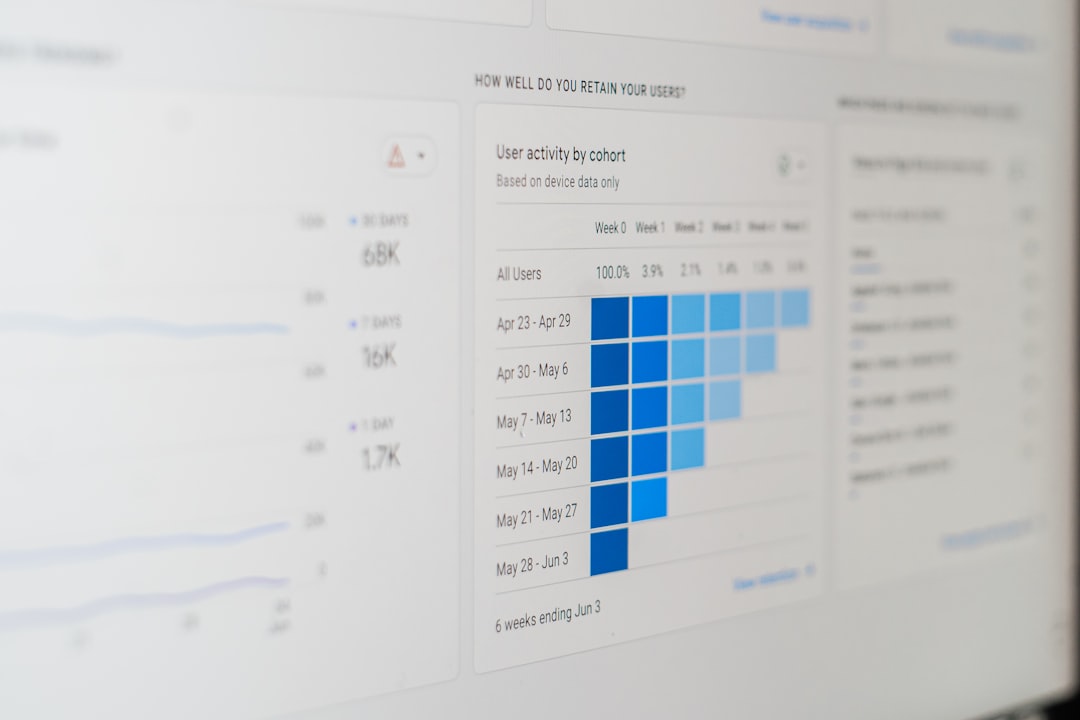
Its visualization tools help identify whether an issue originates from inefficient code, third party integrations, or infrastructure constraints.
Best suited for: Teams needing advanced traceability across complex service architectures.
6. Raygun
Raygun offers crash reporting and real user monitoring in a streamlined package. It places strong emphasis on actionable diagnostics and developer productivity.
Key strengths:
- Real user monitoring alongside error tracking
- Detailed stack traces with deployment context
- Performance monitoring for frontend and backend
- Lightweight setup
Raygun provides visibility into how performance issues and crashes impact specific users. Teams benefit from session replays and precise reproduction data that simplify root cause identification.
Best suited for: Mid sized teams seeking balance between usability and technical depth.
Comparison Chart
| Tool | Stack Trace Detail | Performance Monitoring | Best For | Deployment Monitoring |
|---|---|---|---|---|
| Sentry | Advanced with code context | Integrated APM and tracing | Full stack development teams | Yes |
| Rollbar | Real time with rich metadata | Basic performance visibility | Fast moving agile teams | Yes |
| Bugsnag | Session aware diagnostics | User stability metrics | Mobile first applications | Yes |
| Datadog | Connected to logs and traces | Enterprise grade observability | Cloud native environments | Yes |
| New Relic | Transaction linked trace detail | Comprehensive APM suite | Distributed systems | Yes |
| Raygun | Clear diagnostic stack reports | Frontend and backend monitoring | Growth stage teams | Yes |
What to Look for in Error Tracking Software
While features vary, serious development teams should evaluate tools based on the following criteria:
- Stack Trace Clarity: Full stack visibility with contextual code and environment details.
- Error Grouping Intelligence: Ability to reduce noise through smart fingerprinting.
- Performance Correlation: Linking errors to slow transactions and infrastructure metrics.
- Alert Customization: Flexible notification systems that prevent fatigue.
- Scalability: Support for microservices, serverless, and containerized environments.
The most effective platforms do more than report crashes. They provide insight into why the issue occurred and how it impacts users and infrastructure.
Final Thoughts
Error tracking is no longer optional in professional software development. With increasing system complexity and user expectations, real time observability directly affects reliability, user satisfaction, and operational costs.
Tools like Sentry, Rollbar, Bugsnag, Datadog, New Relic, and Raygun each offer strong capabilities, but they serve slightly different priorities. Smaller teams may prioritize simplicity and fast deployment monitoring, while enterprises demand deep integration across logs, traces, and metrics.
Ultimately, the right solution is the one that integrates cleanly into your workflow, provides clear and actionable stack traces, and connects errors to measurable performance impact. Investing in robust error tracking software is not merely about debugging; it is about building resilient systems capable of sustaining growth and maintaining user trust.

