
Who Is the Best AI Assistant in 2025? A Side-by-Side Comparison
In an age where artificial intelligence (AI) is woven into the fabric of our daily lives—from managing our schedules to helping us cook dinner—picking the best AI assistant in 2025 is more relevant than ever. The race to be the top digital assistant is fierce and includes some heavy-hitting contenders like ChatGPT, Google Assistant, Apple’s Siri, Microsoft Copilot, and Amazon Alexa. Whether you’re a productivity geek, a smart home enthusiast, or just someone who appreciates a witty AI response, the “best” assistant depends heavily on your individual needs.
TLDR Summary
If you’re in a rush, here’s your quick guide. In 2025, ChatGPT 5 leads in natural conversation and customization, perfect for users seeking an AI that feels almost human. Google Assistant remains the leader in productivity and search capabilities, while Microsoft Copilot excels in workplace integration. Amazon Alexa still dominates the smart home ecosystem, and Apple’s Siri is stronger than ever within its own hardware universe. Each assistant has its niche, and the best choice ultimately depends on your daily routine and ecosystem loyalty.
What Makes a Great AI Assistant in 2025?
The definition of an ideal AI assistant has drastically evolved. Previously, simple voice commands like setting alarms or playing music were enough. Now, AI assistants are expected to:
- Hold natural, fluid conversations
- Integrate seamlessly with third-party apps and devices
- Support multi-modal interaction (text, voice, visuals)
- Maintain context over long conversations
- Be customizable and privacy-conscious
Let’s dive into a comparison of the top five AI assistants dominating the market in 2025.
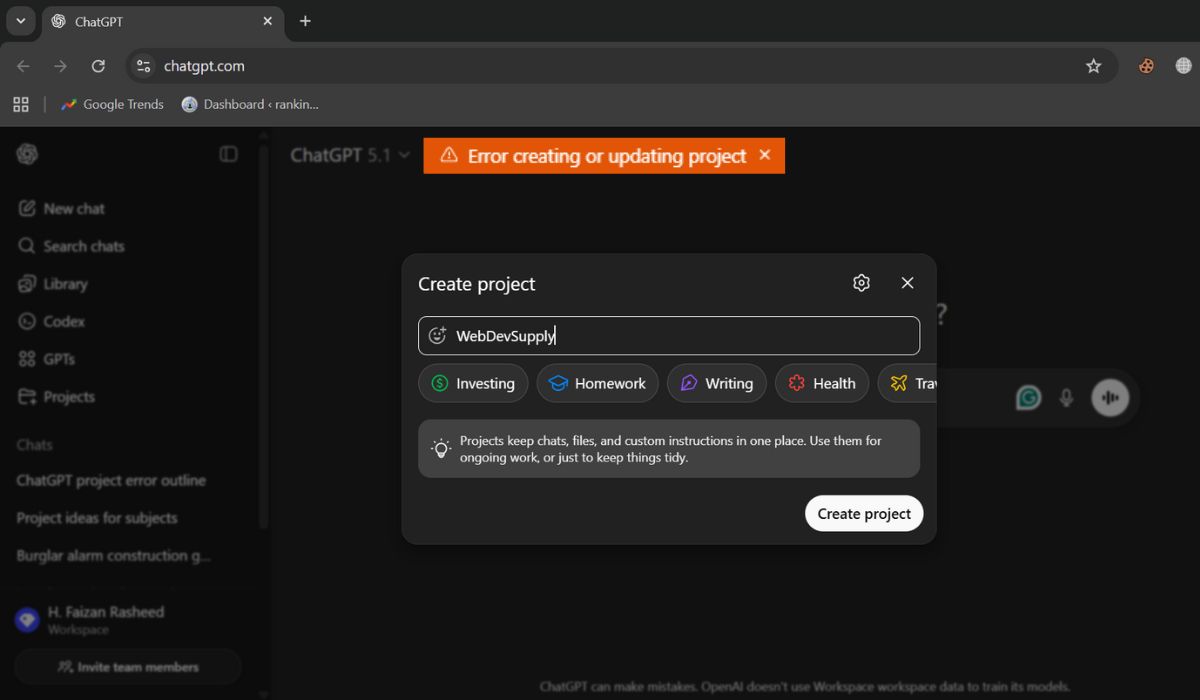
1. ChatGPT 5 by OpenAI
Strengths: Exceptional conversation quality, high customization, works across voice and chat, plug-in and API integration.
ChatGPT has come a long way since its earlier versions. Version 5, released in late 2024, introduces new abilities such as dynamic memory, real-time image and voice recognition, and deep personalization.
What sets ChatGPT apart is its ability to understand context over long interactions. It feels less like you’re talking to an app and more like chatting with an informed, articulate companion—or even a personal assistant you’ve trained over time. Thanks to API tools, developers and users can fine-tune their own versions of ChatGPT, giving it specific skill sets depending on their field or lifestyle.
Weaknesses: Though widely adopted, it may lack deep hardware-integration on some devices. Also, while OpenAI offers plugins, these don’t match the tight ecosystems of Apple or Google just yet.
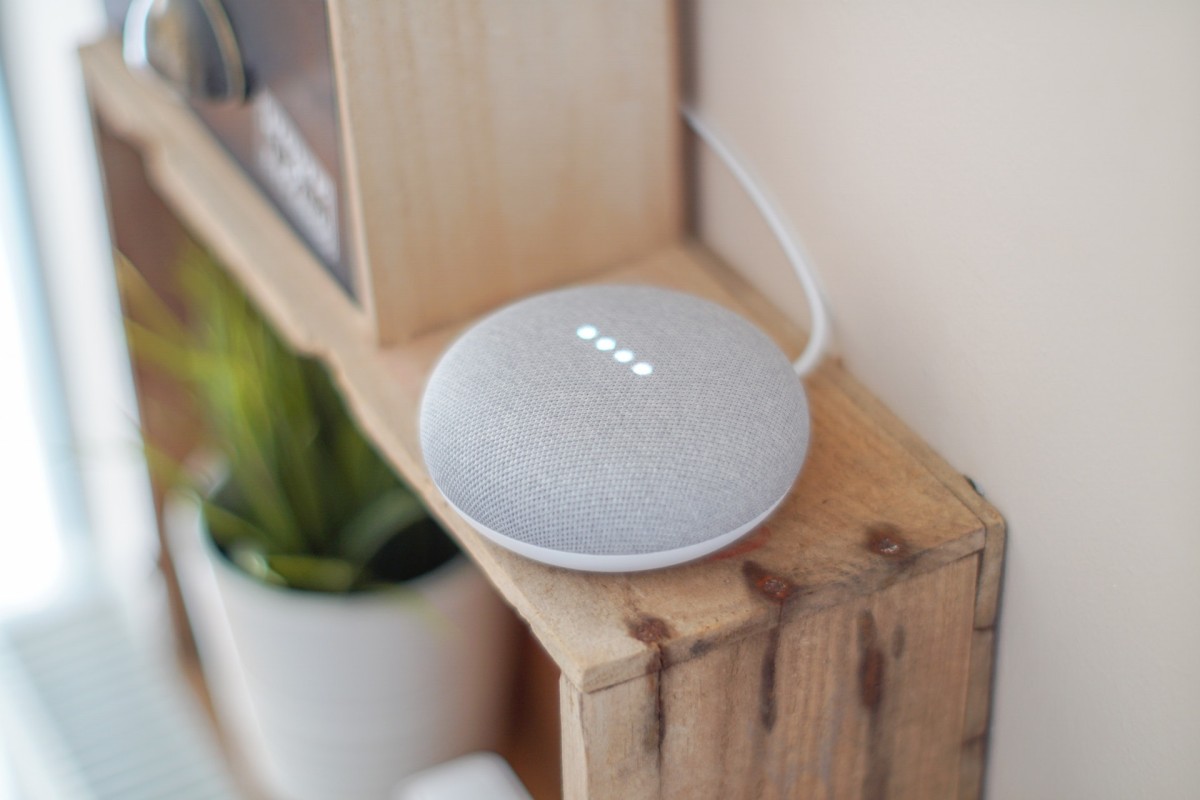
2. Google Assistant
Strengths: Industry-leading search capabilities, excellent natural language processing, integration with Android and Google Workspace.
Remaining a powerhouse in 2025, Google Assistant benefits from its corporate knowledge ecosystem. It taps into Google Search, Gmail, Google Calendar, Maps, and other services seamlessly. For users looking to lead a productive life, it’s hard to beat the convenience and information depth Google offers.
Google has also continued expanding support for smart displays and multi-modal features, allowing interactions that combine voice, gesture, and visual feedback. It detects tone and sentiment better now, passing basic empathy tests set for AI responsiveness.
Weaknesses: It still shines within Google’s ecosystem, but lags when moving beyond it. Also, customization options are fewer compared to ChatGPT or Microsoft Copilot.
3. Microsoft Copilot
Strengths: Deep Office 365 and Windows integration, proactive features for work productivity, great for corporate environments.
Microsoft Copilot has carved out a distinct niche: the workplace. Integrated directly into Windows 11 and Microsoft 365, Copilot automates emails, analyzes spreadsheets, writes reports, and even attends meetings virtually on your behalf (and offers summaries later).
It’s particularly useful in enterprise settings and has gained traction in education as well. For professionals, it streamlines complex workflows by combining AI intelligence with tools people already use every day.
Weaknesses: Less appeal for casual users, particularly outside of work contexts. Not as conversationally versatile as ChatGPT or Google Assistant.
4. Amazon Alexa
Strengths: Best-in-class for smart home integration, excellent third-party support, customizable routines.
Alexa continues to top charts in the household AI game. Its support for thousands of smart home devices and the expansive Alexa Skills Store means it’s capable of running everything from your lights to your lawn sprinklers. In 2025, Alexa has gained a more conversational tone and better sentiment analysis, making daily chatter more fluid and enjoyable.
Beyond the home, Amazon has made strides in turning Alexa into more of a daily assistant. New features include location-based reminders, support for multiple user profiles, and custom AI personalities.
Weaknesses: Still less capable in handling complex open-ended tasks, such as composing nuanced content or understanding long-term context.
5. Apple Siri
Strengths: Seamless across the Apple ecosystem, supports on-device processing, increasingly intelligent with Neural Engine improvements.
Siri has made a quiet comeback. In 2025, it now runs on Apple’s advanced Neural Engine, allowing deeper on-device learning and privacy-focused interactions. No cloud? No problem—Siri can still answer most of your queries, manage tasks, and even compose summaries entirely offline.
Its integration with iOS, macOS, and Apple HomeKit makes it perfect for loyal Apple users. It now supports emotion recognition, real-time translation in video calls, and visual responses on all Apple displays.
Weaknesses: Still behind in open browsing and third-party integration. Siri is at its best inside its walled garden.
Side-by-Side Comparison Chart
| AI Assistant | Best For | Strength | Weakness |
|---|---|---|---|
| ChatGPT 5 | Conversations, custom skills | Context depth, personalization | Limited hardware integration |
| Google Assistant | Search, mobile productivity | Best for research & navigation | Limited outside Google apps |
| Microsoft Copilot | Workplace efficiency | Business tool integration | Not versatile for casual use |
| Amazon Alexa | Smart homes | Device control & automation | Limited general AI capability |
| Apple Siri | Apple ecosystem | Privacy & on-device AI | Limited third-party support |
Final Thoughts: Which One Is Right for You?
The answer to “Who is the best AI assistant in 2025?” isn’t universal—it’s contextual.
- Choose ChatGPT 5 if you value natural conversation and want to tailor the AI assistant to your personal or work life.
- Stick with Google Assistant for research, directions, and mobile multitasking.
- Use Microsoft Copilot if your job revolves around Office software or you manage teams and projects.
- Go with Amazon Alexa for automating your home and enjoying the richest smart home ecosystem.
- Stay with Siri if you’re deeply invested in Apple products and want the best private, on-device AI assistant.
The Future of AI Assistants
As the AI arms race accelerates, the ideal assistant may soon be a blend of today’s best features. Already, multi-assistant compatibility is gaining attention to allow devices to tap into various AI capabilities based on the task at hand. Looking forward, the next frontier lies in emotional intelligence, true autonomy, and even ambient presence—AI assistants that fade into the background until they’re needed, yet always ready to

