
AP CSP Practice Exam Guide
Are you getting ready for the AP Computer Science Principles (AP CSP) Exam? Great choice! This exam can open doors to college credit and show off your tech skills. But prepping for it doesn’t have to be boring. Let’s turn it into an easy and even fun adventure.
TLDR (Too Long, Didn’t Read)
The AP CSP Exam has two main parts: a multiple-choice section and a performance task (Create Task). To do well, know the course topics, practice with sample questions, and manage your time wisely. Use fun online tools, flashcards, and practice exams to prepare. Remember, it’s about problem-solving, not just memorizing code.
What’s on the AP CSP Exam?
The exam has two main parts:
- Multiple Choice Section – 70 questions in 2 hours. Covers computing concepts, data, the internet, and how to apply computing to solve problems.
- Create Performance Task – A coding project you do in class and submit before the exam. You’ll design, code, and explain your project.
The multiple choice section is worth 70% of your grade. The Create Task is the other 30%. So, yes — coding is important, but so is understanding ideas!
How to Prepare (Without Falling Asleep)
Let’s make studying simple and not so painful.
Step 1: Know What You’re Learning
The College Board breaks down AP CSP into 5 Big Ideas:
- Creative Development – Creating software using logic and ideas.
- Data – Learning how data is stored, processed, and visualized.
- Algorithms and Programming – Writing code and creating algorithms to solve problems.
- Computer Systems and Networks – Understanding how the internet and hardware work.
- Impact of Computing – Exploring how computing affects society and culture.
Get comfortable with these. If you see a strange word like “hexadecimal” or “latency,” don’t panic — just Google it or ask your teacher.
Step 2: Practice Thinking Like a Coder
AP CSP is less about writing perfect code and more about logical thinking. So you don’t have to be a programming genius to pass.
For the multiple-choice part:
- Use practice exams (check College Board’s website or trusted AP study sites).
- Read each question carefully. They might give you more info than you need to trick you!
- Don’t stress about the specific programming language. They use something called pseudocode, which is like “code-ish” English.
For the Create Task:
- Pick a project idea early (like a simple game or quiz app).
- Get familiar with your coding platform (Scratch, MIT App Inventor, etc.).
- Practice explaining your thinking: Why did you write the code this way?
The graders aren’t just judges of your code — they’re looking at your logic and creativity too!
Tips for Crushing the Multiple-Choice Test
Here’s how to be a legend during that 2-hour rush.
- Pace Yourself: Don’t spend 10 minutes on one hard question. Move on and come back later.
- Use Process of Elimination: Cross off the obviously wrong answers first.
- Watch for Patterns: Some questions follow a common style. The more you practice, the easier it is to spot them.
And hey — guess if you’re not sure! There’s no penalty for wrong answers.
Help, I’m Stuck! Where Can I Learn This Stuff?
So many resources out there! Here are some of the best that won’t make you snore:
- Khan Academy: Free CS principles lessons with videos and interactive questions.
- Code.org: Probably where your class started. Tons of interactive activities.
- Review Books: Check out “5 Steps to a 5” or “Barron’s AP CSP.”
- YouTube: Just search “AP CSP Practice” and find short videos explaining hard topics.
Make your own flashcards or use apps like Quizlet to quiz yourself on terms and concepts.
Performance Task: The Code That Counts
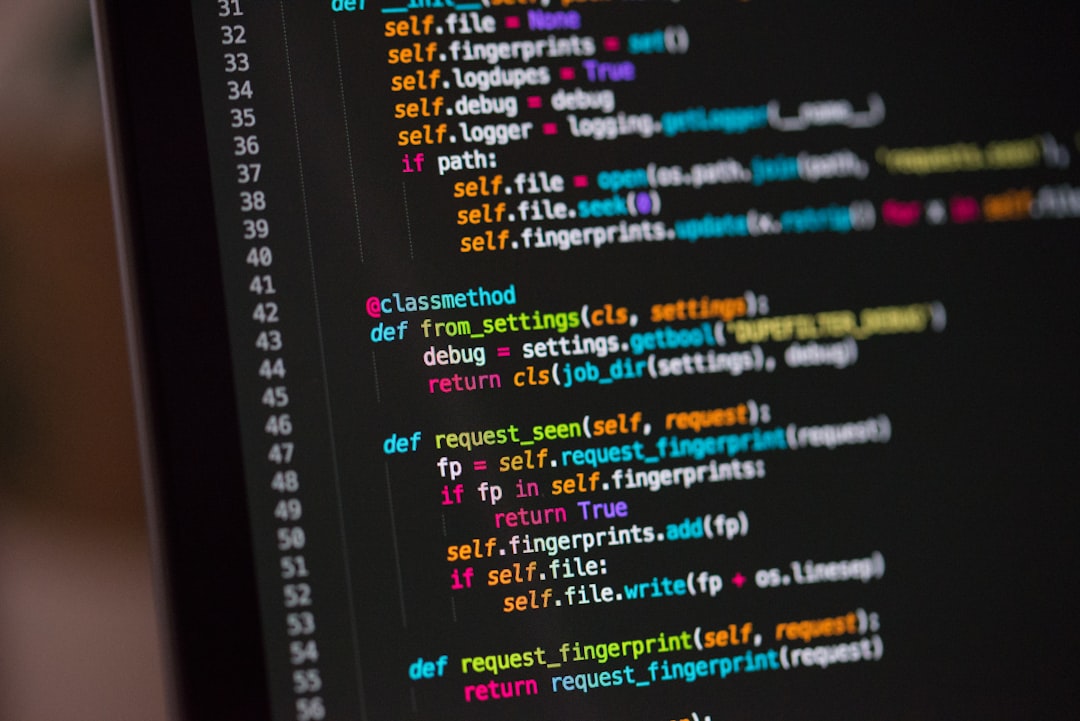
This is where you create something cool and show off your logic. The Create Task asks you to:
- Plan and write a program that solves a problem.
- Include an algorithm and a dataset.
- Create interactive parts (like buttons or inputs).
- Explain your code with written responses.
Tips for doing it right:
- Keep it simple: Start with a small idea that you can finish and polish.
- Comment your code: This helps you when writing about how your program works.
- Test your logic: Does it actually work? Break your code on purpose and fix it.
You’ll submit this digitally months before you sit the actual exam. So finish it early and give yourself time to edit those write-up questions.
Common Mistakes to Dodge
Everyone slips up sometimes. But now that you know about these mistakes, you can avoid them:
- Forgetting about abstraction: The exam loves asking about functions and simplification. Make sure you understand what abstraction means.
- Not explaining your performance task clearly: Use proper terms. Be clear. Don’t ramble.
- Misreading questions: Read carefully. Some questions look similar but ask something very specific.
- Studying only code: AP CSP is about concepts more than coding syntax. Don’t just memorize code!
Fun Study Ideas
Don’t want to stare at a textbook all day? Here are fun ways to sneak in prep:
- Play CS games like Blockly, LightBot, or Tynker to sharpen logic skills.
- Create mini quizzes for your classmates and challenge each other.
- Join an online AP study group on Reddit or Discord.
- Make short TikToks or slides teaching a topic — if you can teach it, you understand it!
Mix modes of learning to keep your brain happy. Reading, watching, doing, and teaching are all great combos.
On Exam Day: Keep It Cool
When the big day arrives, remember:
- Eat well and sleep well: No, seriously. Brain fuel is real.
- Bring your ID and come early. You don’t want to rush in and panic.
- Stay calm during the test. If a question is hard, breathe and skip it for now.
You’ve done the prep. You know the material. Trust yourself.
Final Words
AP CSP is about more than just code. It’s about thinking, solving, creating, and knowing how computers fit into our world. And guess what? You’re totally capable of mastering it.
Whether you code in Python, use App Inventor, or still confuse “bandwidth” with “Bluetooth,” this guide is your practice buddy.
Now go get that 5! 🚀

