

5 Student Engagement Tools Like Quizizz For Classroom Interaction
Digital tools have transformed the modern classroom, enabling teachers to create more interactive, data-driven, and engaging learning experiences. Platforms like Quizizz have become especially popular because they blend assessment with game mechanics, instant feedback, and real-time analytics. However, Quizizz is not the only tool capable of enhancing student participation. A growing number of platforms offer dynamic features that support formative assessment, collaboration, and meaningful classroom interaction.
TLDR: Student engagement platforms like Kahoot!, Blooket, Gimkit, Mentimeter, and Nearpod offer powerful alternatives to Quizizz for interactive learning. These tools combine gamification, real-time feedback, and analytics to improve participation and comprehension. Each platform provides unique features suited to different teaching styles and classroom needs. Selecting the right tool depends on instructional goals, student age group, and preferred engagement format.
Below are five reliable and widely adopted student engagement tools that educators can use to create interactive learning environments similar to Quizizz.
1. Kahoot!
Kahoot! is one of the most recognized classroom engagement platforms worldwide. Designed around competitive, game-based quizzes, it encourages participation through timed questions, music, and leaderboards. Students respond in real time using their own devices, while teachers can project the main interface for collective viewing.
Key features include:
- Live and self-paced modes for in-class or remote learning
- Customizable quizzes with multimedia support
- Detailed reports for formative assessment
- Team-based gameplay to encourage collaboration
Kahoot! excels in building classroom energy, especially in middle and high school settings. The competitive element motivates students to focus and respond quickly, which can reinforce core knowledge and improve retention. Teachers can also access a vast content library with pre-built quizzes aligned to specific subjects and standards.

However, educators seeking deeper analytical insight or more complex question types may need to supplement Kahoot! with additional tools. Its strength lies primarily in energizing the classroom atmosphere and encouraging widespread participation.
2. Blooket
Blooket combines quiz-based learning with creative game modes that go beyond traditional multiple-choice competitions. While it functions similarly to Quizizz in allowing teachers to create or import question sets, Blooket differentiates itself through its variety of engaging gameplay experiences.
Key features include:
- Multiple game modes that reinterpret question sets in unique formats
- Homework assignments for asynchronous learning
- Reward and progression systems that increase motivation
- Easy-to-use interface for educators and students
Instead of relying solely on speed-based competition, Blooket introduces strategy elements and randomized mechanics. This variety keeps activities fresh, even when reviewing similar content multiple times. As a result, students remain engaged without feeling that assessments are repetitive.
Blooket works particularly well for elementary and middle school learners who respond positively to visually stimulating, game-like environments. Teachers benefit from straightforward reporting tools that highlight areas where students may struggle.
3. Gimkit
Gimkit was originally developed by a high school student who wanted a more interactive learning game. Like Quizizz, it supports question-based gameplay, but it introduces an in-game currency system that adds strategic depth.
With Gimkit, students earn virtual money for correct answers and can invest their earnings into performance upgrades. This economic layer transforms traditional quizzing into a more immersive experience.
Key features include:
- In-game power-ups and upgrades
- Live and homework modes
- Collaborative and competitive formats
- Robust analytics dashboard
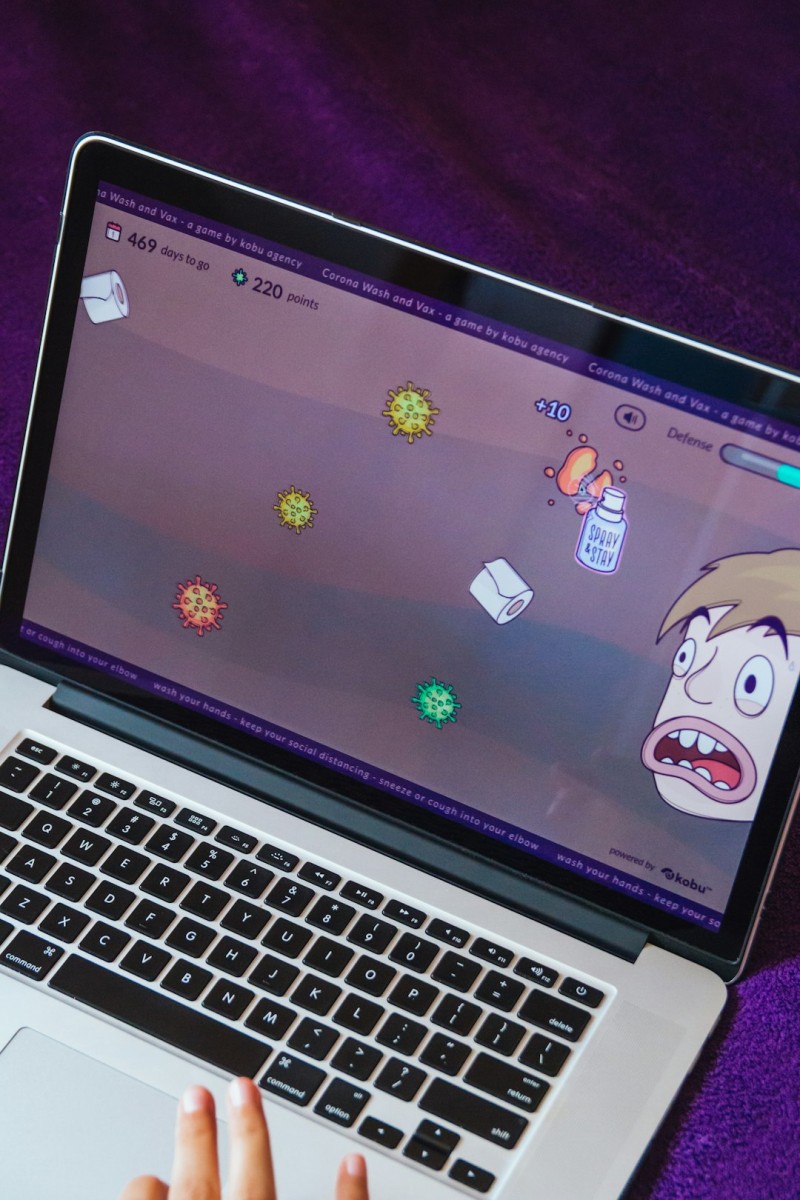
Gimkit is particularly effective for review sessions and test preparation. The continuous cycle of answering questions and reinvesting earnings promotes repeated exposure to content, reinforcing long-term retention. Teachers who prioritize data-driven instruction will appreciate its performance reports, which allow for targeted remediation.
One consideration is that the game’s strategic components may initially distract from content if not carefully managed. Clear classroom expectations can ensure that learning objectives remain central.
4. Mentimeter
While Kahoot!, Blooket, and Gimkit emphasize competition, Mentimeter focuses on inclusive participation and real-time feedback. It is widely used in both K–12 and higher education, as well as in professional training environments.
Mentimeter allows instructors to create live polls, word clouds, quizzes, open-ended questions, and scales. Students respond anonymously, which can increase participation among those hesitant to speak publicly.
Key features include:
- Anonymous live polling
- Open-ended questions for deeper reflection
- Word clouds and scale responses
- Downloadable presentation exports
Mentimeter is particularly useful for:
- Checking prior knowledge before introducing new material
- Gathering honest feedback on difficult topics
- Encouraging critical thinking through open responses
- Facilitating discussions in large classrooms
Unlike some gamified platforms, Mentimeter prioritizes thoughtful engagement over speed. It allows educators to visualize collective understanding instantly and adapt instruction accordingly. For seminars, lectures, and discussion-based classes, it can serve as a valuable interaction layer.
5. Nearpod
Nearpod extends beyond quiz functionality by offering a comprehensive interactive lesson platform. Teachers can build entire presentations that embed quizzes, polls, videos, collaborative boards, and interactive simulations.
This integrated design enables instructors to maintain control over lesson pacing while ensuring students actively participate throughout.
Key features include:
- Interactive slides with embedded assessments
- Real-time monitoring of student progress
- Virtual reality field trips
- Collaborative discussion boards

Nearpod is particularly effective for structured lessons where engagement needs to be sustained beyond short quiz bursts. Teachers can switch seamlessly between instruction and assessment, preserving lesson continuity.
Additionally, Nearpod’s reporting tools provide actionable insights that can inform future instructional planning. Schools seeking a more holistic solution for interactive teaching may find this platform especially valuable.
Choosing the Right Tool for Your Classroom
Selecting an engagement platform should not be based solely on popularity. Instead, educators should evaluate tools against specific instructional needs. Consider the following factors:
- Learning objectives: Is the goal quick knowledge checks, deep discussion, or comprehensive lesson delivery?
- Student age group: Younger learners may respond better to colorful gamification, while older students may prefer structured interaction.
- Classroom setting: Are activities conducted live, remotely, or asynchronously?
- Data requirements: How detailed should assessment analytics be?
- Device accessibility: Do all students have reliable access to digital devices?
For example:
- If you want high-energy competition, Kahoot! may be ideal.
- If you prefer varied game mechanics, Blooket offers creative flexibility.
- For strategy-based engagement and repetition, Gimkit stands out.
- For reflective and inclusive polling, Mentimeter is highly effective.
- For full-lesson interactivity, Nearpod provides a comprehensive solution.
The Broader Impact of Engagement Technology
Student engagement tools do more than make lessons entertaining. Research consistently shows that active participation improves retention, strengthens understanding, and increases motivation. Real-time feedback enables teachers to address misconceptions immediately rather than waiting for end-of-unit tests.
Furthermore, these platforms support differentiated instruction. By analyzing performance data, educators can tailor subsequent activities to meet diverse learning needs. Engagement tools also promote equitable participation, ensuring that quieter students have opportunities to contribute.
When implemented thoughtfully, platforms like the ones discussed above can:
- Increase attendance and attentiveness
- Encourage collaborative learning
- Provide measurable learning outcomes
- Reduce grading workload through automated reporting
Conclusion
Interactive classroom technology is no longer optional; it has become a core component of modern teaching practice. While Quizizz remains a valuable tool, educators have access to several strong alternatives that can enhance participation and improve learning outcomes.
Kahoot!, Blooket, Gimkit, Mentimeter, and Nearpod each offer distinct strengths, from competitive gamification to structured lesson integration. By aligning tool selection with pedagogical goals, teachers can create more dynamic, inclusive, and effective learning environments.
Ultimately, the most powerful engagement tool is the one that supports your instructional strategy and meets your students’ needs. When used strategically, these platforms can transform passive classrooms into active learning communities built on curiosity, collaboration, and measurable progress.

