

What Is a Pretexting Scam? How Security Awareness Platforms Help Businesses Train Employees
A pretexting scam is a social engineering attack where a criminal invents a believable story to trick an employee into sharing data, sending money, or approving access. It works because it feels normal: a fake vendor asks for an invoice update, a “CEO” requests gift cards, or “IT” needs a password reset. Verizon’s 2024 Data Breach Investigations Report found that the human element was involved in 68% of breaches, which shows why employee training matters so much [source: Verizon].
TLDR: Pretexting is a scam built around a false identity and a believable reason. For example, an attacker may pretend to be from payroll and ask an employee to “confirm” bank details before payday. If a 500-person company reduces risky clicks by even 30% after training, that can mean dozens of avoided incidents each month. Security awareness platforms help by teaching staff how to spot strange requests, verify identities, and report suspicious messages fast.

What makes pretexting different?
Pretexting is not just a random spam email. It is more personal. The attacker creates a pretext, or fake situation, that gives the victim a reason to act.
The story may be simple:
- “I’m from IT. We are updating accounts.”
- “This is your bank. We saw unusual activity.”
- “I’m the new supplier. Please update our payment details.”
- “The CEO is in a meeting and needs this handled now.”
The scammer may use names, job titles, logos, email signatures, and details scraped from LinkedIn or company websites. That is what makes it annoying. The message does not always look fake at first glance. Sometimes it looks better than half the real internal emails people get.
How a pretexting scam usually works
Most pretexting attacks follow a clear pattern. Once you see it, it gets easier to spot.
- Research: The attacker studies the company, staff, vendors, and public posts.
- Impersonation: They pose as someone trusted, such as HR, IT, finance, or a manager.
- Pressure: They create urgency. “Do this before 3 p.m.” “The account will close.” “The CEO is waiting.”
- Request: They ask for money, login codes, files, payment changes, or personal data.
- Exit: Once they get what they need, they vanish or move deeper into the company systems.
Pretexting can happen through email, phone calls, text messages, messaging apps, or even video calls. Deepfake audio and cloned voices have made this worse. A fake call from “your boss” is no longer science fiction. It is a real risk.
Common signs of a pretexting attempt
Employees do not need to become security experts. They just need to slow down when something feels off.
- Urgent language: The sender wants action right now.
- Unusual payment changes: A vendor suddenly has a new bank account.
- Requests for secrecy: “Do not tell anyone yet.” Huge red flag.
- Odd timing: Messages arrive late Friday or during holidays.
- Small errors: Strange wording, wrong titles, or email addresses that are almost correct.
- Bypassing process: The sender asks the employee to skip approvals.

How security awareness platforms help
Security awareness platforms train employees to recognize scams before damage is done. They usually include short lessons, phishing simulations, quizzes, reporting buttons, and dashboards for managers.
The best platforms keep training short and realistic. Nobody wants a 47-minute video with a robotic voice and a quiz that feels like punishment. Honestly, it feels like some older tools were built to make people hate security. Good platforms use quick modules, real examples, and plain language.
Here is what they do well:
- Run phishing and pretexting simulations: Employees receive safe test messages that look like real attacks.
- Teach verification habits: Staff learn to confirm payment changes by phone or through approved systems.
- Make reporting easy: A one-click report button helps security teams respond faster.
- Track weak spots: Managers can see which teams need more coaching.
- Repeat training often: Short monthly lessons work better than one annual lecture.
Why businesses should care
A single pretexting scam can cost more than money. It can expose customer records, payroll data, contracts, passwords, or tax forms. It can also damage trust. Clients rarely care that an email “looked real.” They care that their data got out.
Security tools help, but they cannot catch everything. Attackers often target the gap between technology and human trust. A spam filter may miss a clean email from a new domain. A caller with the right tone may fool a busy receptionist. A finance worker may approve an invoice because the request looks like it came from the CFO.
This is where training earns its keep. It teaches people to pause, check, and report. Those three actions can stop a costly mess.
What to look for in a security awareness platform
Pick a platform that fits real work, not a perfect lab. The training should be easy to launch, easy to understand, and easy to measure.
- Realistic templates: Look for vendor fraud, HR scams, fake IT requests, and executive impersonation.
- Short lessons: Five to ten minutes is usually enough.
- Role-based training: Finance, HR, and executives face different risks.
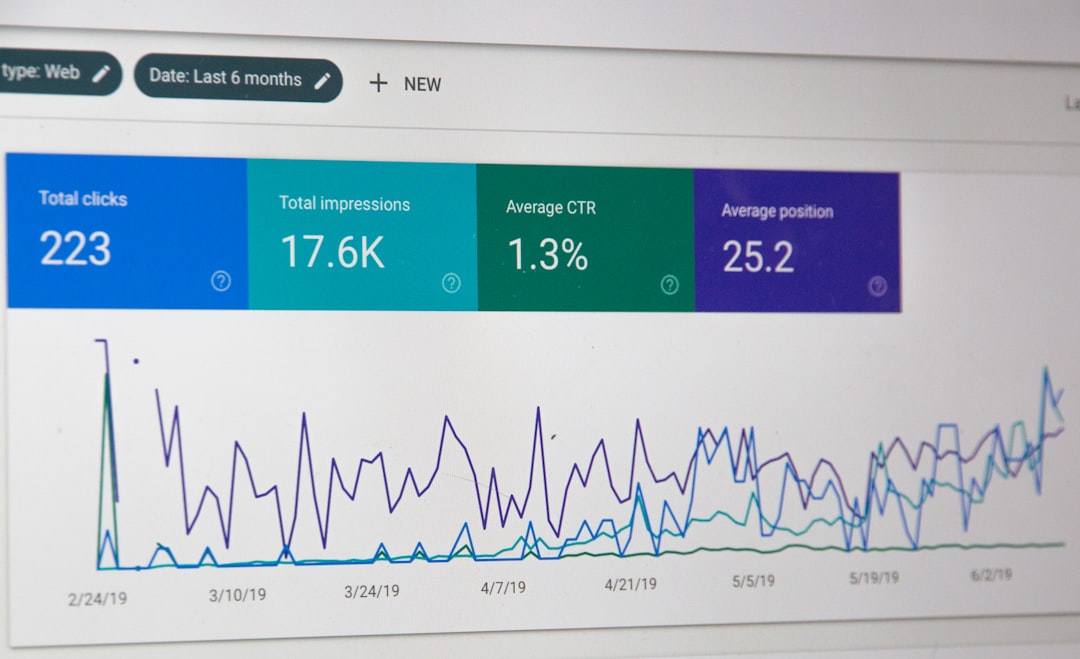
- Clear reporting: You should see click rates, report rates, and repeat-risk users.
- Simple user experience: If it takes 20 extra seconds to report an email, people will stop doing it.
Simple rules employees can remember
Pretexting works best when people rush. So the defense is simple: slow the moment down.
- Verify through another channel. Call a known number, not the one in the message.
- Never share passwords or one-time codes. Real IT teams should not ask for them.
- Question urgent money requests. Speed is a scammer’s best friend.
- Report suspicious messages. Reporting is not “bothering IT.” It is part of the job.
Pretexting scams are effective because they feel human. That is also why human training works. When employees know the tricks, practice with safe simulations, and have an easy way to report problems, the company becomes a much harder target.

