

How to Build a Fast WordPress Affiliate Website That Can Scale With Organic Traffic
Build your WordPress affiliate site for speed first, then add content like a machine. A slow site is not a business asset. It is a tiny rage factory for visitors, Google, and you.
TLDR: Use fast hosting, a light theme, caching, compressed images, clean affiliate links, and a simple content plan. For example, a small coffee gear site with 60 buying guides can grow from 500 to 25,000 monthly organic visits if pages load in under 2 seconds and target low competition keywords. Keep plugins under control. Track clicks, rankings, and revenue from day one.
Start With a Lean Setup
WordPress can be fast. Or it can become a bloated mess with 47 plugins and a homepage that loads like wet cement.
Your first job is to keep it lean.
- Use quality hosting. Pick a host with good server response times.
- Choose a light theme. Skip giant themes with 800 settings.
- Install only needed plugins. If a plugin does one tiny thing, question it.
- Use a clean page builder. Better yet, use native blocks when possible.
A good starter stack looks simple:
- Managed WordPress hosting
- A lightweight theme such as GeneratePress, Kadence, or Astra
- A caching plugin
- An SEO plugin
- An image compression plugin
- An affiliate link management plugin
That is enough. Really.
It drives me crazy when a fresh site takes 4 extra seconds to load because someone added sliders, icon packs, popups, and three analytics scripts before writing a single review.

Pick Hosting That Can Handle Growth
Cheap hosting is fine for testing. It is not always fine for growth.
Organic traffic can arrive slowly. Then one post ranks. Then traffic doubles. Then your site gasps during a shopping season.
Look for hosting with:
- Fast servers in your main country or region
- Built in caching at the server level
- CDN support for global visitors
- Easy backups every day
- Staging sites for safe testing
- Room to upgrade without a painful move
If your audience is mostly in the United States, use a data center close to them. If your audience is global, use a CDN. This helps images, scripts, and pages load faster from nearby servers.
Use a Theme That Does Not Fight You
Your theme should be boring in the best way.
It should load fast. It should be easy to edit. It should not inject piles of unused code on every page.
For affiliate sites, you need layouts that help people decide quickly. Use:
- Clear comparison tables
- Pros and cons boxes
- Product rating sections
- Short summary cards
- Strong call to action buttons
Simple wins. A visitor searching “best air fryer for two people” does not want a design museum. They want an answer, a reason, and a button.
Make Speed Non Negotiable
Fast pages rank better, convert better, and feel better. Speed is not a fancy bonus.
Aim for these targets:
- Page load time: under 2 seconds if possible
- Largest Contentful Paint: under 2.5 seconds
- Image size: often under 150 KB per image
- Plugin count: as low as you can keep it
Do these things early:
- Turn on page caching.
- Compress images before upload.
- Use WebP images.
- Lazy load images below the fold.
- Remove unused plugins.
- Limit custom fonts.
- Minify CSS and JavaScript.
Honestly, it feels silly to lose sales because a 2 MB product photo is hogging the whole page. Resize it. Compress it. Move on.
Build a Smart Site Structure
A scalable affiliate site needs order. Not chaos.
Use simple categories. Keep them tight. If your site is about home fitness, do not publish random posts about camping chairs.
Try this structure:
- Category page: Treadmills
- Buying guide: Best treadmills for small apartments
- Review: Brand X treadmill review
- Comparison: Brand X vs Brand Y
- Info post: How much space do you need for a treadmill?
This creates topical depth. Google can see what your site is about. Users can move from research to purchase without getting lost.

Create Content That Sells Without Being Pushy
Affiliate content should help first. Sales come after trust.
Use a mix of content types:
- Best lists: “Best standing desks for small rooms”
- Single reviews: “FlexiDesk Pro review”
- Versus posts: “FlexiDesk vs WorkLift”
- How to guides: “How to choose a standing desk height”
- Problem posts: “Why your standing desk wobbles”
Do not just repeat product specs. Add real value.
Include:
- Who the product is best for
- Who should avoid it
- What surprised you
- Common complaints
- Better alternatives
- Price range
People trust honesty. If every product is “amazing,” your site starts to smell like a coupon flyer.
Use Affiliate Links the Right Way
Messy links are hard to manage. Clean links make life easier.
Use an affiliate link plugin to create short, trackable links. For example:
yoursite.com/go/productname
This lets you update links in one place. That matters when programs change, products disappear, or merchants break things at the worst possible time.
Also add clear disclosures. Put one near the top of each affiliate page.
Example:
This page contains affiliate links. If you buy through them, we may earn a commission at no extra cost to you.
Simple. Clear. Done.
Design Pages for Clicks
Traffic is nice. Clicks pay the bills.
Make your pages easy to scan. Most visitors skim first. Then they decide if you are worth their time.
Use:
- Short paragraphs
- Clear headings
- Comparison tables
- Product cards
- Sticky table of contents
- Buttons with clear text
Button text should be direct.
- Good: Check price
- Good: See latest deal
- Weak: Learn more
Place your first useful affiliate link early. Do not make readers scroll through 1,500 words before seeing a product.
Plan for Organic Traffic Before You Publish
Do keyword research before writing. Guessing wastes time.
Start with low competition keywords. These often have lower search volume, but they are easier to rank for.
Good starter keywords include:
- Best laptop stand for bed
- Best blender for frozen fruit under 100
- Quiet treadmill for apartment
- Best backpack for nurses
These are specific. That is good. Specific visitors often know what they want.
Build clusters around each topic. One big guide is not enough. Support it with reviews, comparisons, and helpful answers.
Track What Matters
You cannot scale what you do not measure.
Set up tracking early:
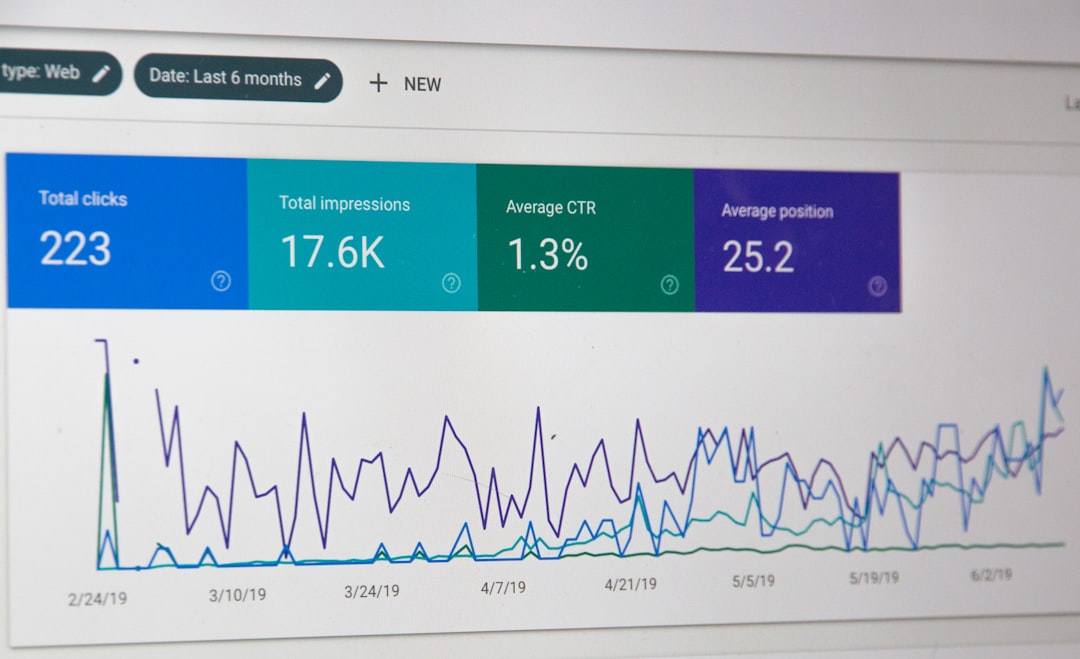
- Google Search Console for rankings and clicks
- Analytics for traffic and user behavior
- Affiliate reports for sales and commission
- Link click tracking for button performance
Watch these numbers:
- Organic sessions
- Top landing pages
- Affiliate click rate
- Conversion rate
- Revenue per 1,000 visitors
If a page gets 2,000 visits a month but only 20 affiliate clicks, fix the layout. Add better buttons. Improve the intro. Move the comparison table higher.
Keep Scaling Without Breaking the Site
As traffic grows, keep cleaning.
Every month, do a quick audit:
- Update old product prices
- Replace dead affiliate links
- Refresh screenshots
- Compress any huge images
- Remove unused plugins
- Check page speed
- Improve posts stuck on page two
Scaling is not just publishing more. It is improving what already exists.
A site with 100 strong posts can beat a site with 500 thin ones. Quality compounds. So does speed.
Final Game Plan
Start small. Build clean. Publish with intent.
Your fast WordPress affiliate site needs three things working together:
- Speed so users stay.
- Helpful content so Google sends traffic.
- Smart affiliate placement so visits turn into income.
Do not chase every shiny plugin. Do not stuff pages with junk. Do not write for robots only.
Help real people make better buying choices. Make the site fast enough that nobody notices it loading. Then keep improving the pages that show signs of life.
That is how a WordPress affiliate site grows from a tiny project into a serious organic traffic machine.

