

Ecommerce Product Scraper: Product Scraping Tools vs E-Commerce APIs and Product Intelligence Alternatives
The safest approach is to start with official e-commerce APIs where they exist, then use product scraping only for gaps that APIs cannot cover. Product scraping tools can collect public product names, prices, stock signals, reviews, images, and seller data at scale. E-commerce APIs can provide cleaner data with fewer legal and technical risks. Product intelligence platforms sit between the two, packaging data, analytics, matching, and monitoring into a managed service.
TLDR: Use APIs for stable, permissioned data; use scrapers for competitor visibility; use product intelligence tools when your team needs insights instead of raw feeds. For example, a retailer tracking 50,000 SKUs daily may get 99% clean data from its own marketplace API, but only cover 65% of competitor pricing that way. A controlled scraper can fill the missing 35%, while a product intelligence platform can turn that data into alerts, price indexes, and margin impact reports.
What an ecommerce product scraper actually does
An ecommerce product scraper is software that extracts product information from online stores, marketplaces, and category pages. It may collect structured fields such as:
- Product title and description
- Current price, sale price, and discount
- Availability or stock status
- Seller name and marketplace position
- Product images and variants
- Ratings, reviews, and review volume
- Shipping cost and delivery estimates
- Category rank and search position
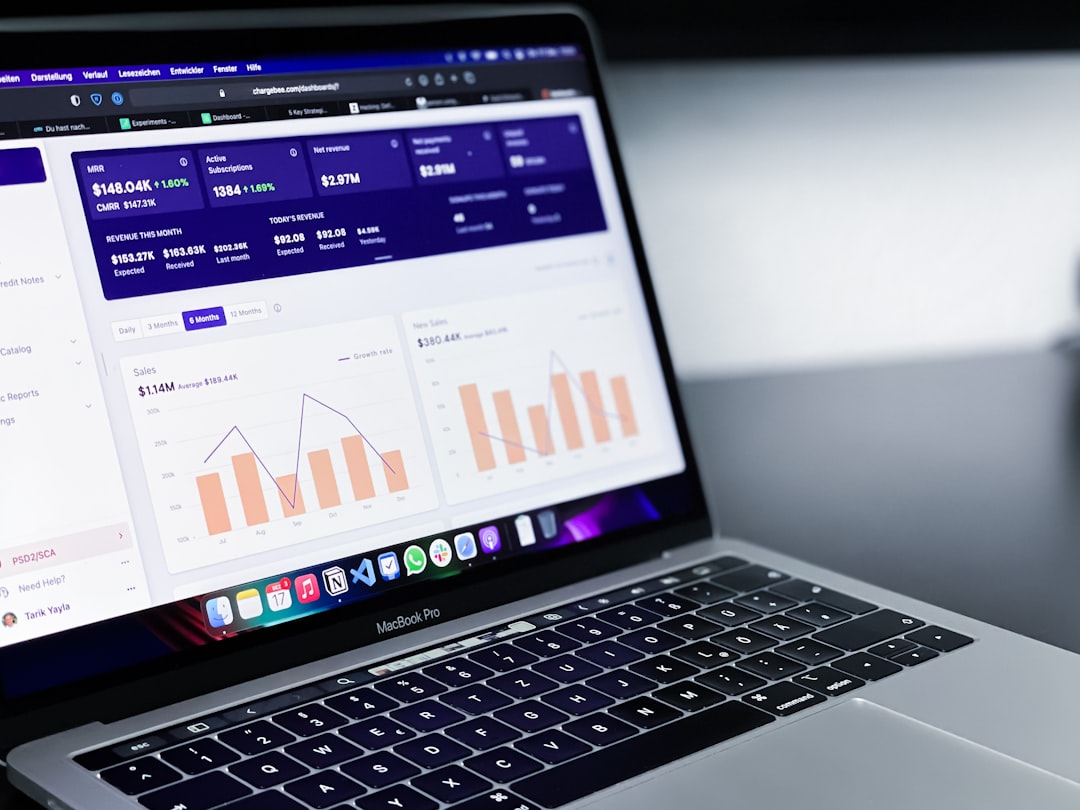
The output is usually sent to a database, spreadsheet, dashboard, or pricing engine. Some teams use scrapers for competitive price monitoring. Others use them for catalog enrichment, assortment analysis, marketplace compliance, or brand protection.
Scraping sounds simple until it is not. Sites change layouts. Product pages load with JavaScript. Anti-bot systems block requests. Variant data hides behind scripts. Honestly, it feels like one small page redesign can turn a smooth pipeline into a cleanup job that eats half a Friday.
Product scraping tools: strengths and weaknesses
Product scraping tools are useful when the data is public, visible, and not offered through an official channel. They can cover many sites and capture how products appear to real shoppers. That matters. A marketplace API may show a list price, while the public page shows a coupon, delivery fee, sponsored placement, or “only 3 left” message.
Key advantages include:
- Broad coverage: Scrapers can monitor many retailers, marketplaces, and niche stores.
- Shopper view: They capture the public product experience, not only backend data.
- Flexible fields: Teams can target custom data such as badges, bundles, and stock labels.
- Speed to test: A scraper can often be piloted before formal partnerships are signed.
Common drawbacks include:
- Fragility: Small HTML or JavaScript changes can break extraction rules.
- Data noise: Titles, variants, units, and seller fields may need heavy cleaning.
- Blocking: Rate limits, CAPTCHAs, and bot detection can reduce success rates.
- Compliance risk: Terms of service, privacy laws, and data ownership rules must be reviewed.
- Maintenance cost: The first version is rarely the expensive part. Keeping it alive is.
Expect to waste time on annoying edge cases. A “500 ml bottle” on one site may appear as “0.5L,” “16.9 oz,” or part of a multipack elsewhere. If your price comparison does not normalize units, your margin analysis will be wrong.
E-commerce APIs: cleaner data, narrower access
An e-commerce API gives structured access to product data through an approved interface. Major marketplaces, commerce platforms, and retail systems often provide APIs for catalog, inventory, orders, listings, pricing, and advertising data.
APIs are usually better for internal operations. If you own the store or have authorized seller access, an API can return clean fields in a predictable format. Authentication, documentation, rate limits, and versioning make the process more controlled.
API benefits are clear:
- Higher reliability: Data structures are more stable than page HTML.
- Lower legal risk: Access is granted under clear terms.
- Better data quality: IDs, variants, inventory, and timestamps are often precise.
- Operational fit: APIs connect well with ERPs, PIMs, pricing tools, and BI systems.
Still, APIs have limits. They may not expose competitor data. They may hide search placement, sponsored labels, public stock messages, or regional pricing. Some APIs charge per call. Others apply strict quotas. A retailer may allow access to your own seller account, but not to the wider category you want to study.

Product intelligence alternatives
Product intelligence platforms go beyond collection. They combine data extraction, product matching, quality checks, dashboards, alerts, and analytics. Instead of asking your engineers to maintain scrapers and APIs, these tools deliver usable intelligence.
Typical features include:
- Competitor price monitoring
- Share of search tracking
- Assortment gap analysis
- Product matching across retailers
- Review and rating analysis
- MAP and seller compliance monitoring
- Promotion and discount tracking
- Category benchmark reports
This option suits teams that need decisions, not raw HTML. A category manager wants to know which 200 SKUs are overpriced this week. A brand team wants to know where unauthorized sellers appeared. A revenue team wants to know whether a 7% price cut improved marketplace rank.
The tradeoff is cost and control. Managed platforms can be expensive. They also may not support every niche retailer or custom metric. Before signing, ask for sample data from your exact category. Do not settle for a polished demo using easy sites.
How to choose between scraping, APIs, and product intelligence
The right choice depends on data ownership, scale, risk tolerance, and internal skills. A serious evaluation should cover coverage, freshness, accuracy, legality, cost, and maintenance.
| Option | Best for | Main risk |
|---|---|---|
| Product scraping tools | Public competitor pricing, search results, stock signals, page content | Breakage, blocking, compliance issues |
| E-commerce APIs | Owned catalog data, seller data, inventory, orders, authorized marketplace feeds | Limited external coverage and rate limits |
| Product intelligence platforms | Business insights, alerts, dashboards, product matching, category analysis | Higher subscription cost and less custom control |
For many companies, a mixed model works best. Use APIs for your own product and sales data. Use carefully governed scraping for competitor and public shelf data. Use product intelligence software when the analysis burden becomes too high for internal teams.
Compliance and data quality should come first
Product data collection must be handled with care. Public data is not automatically free of restrictions. Review website terms, robots.txt signals, privacy laws, copyright concerns, and contractual limits. Avoid collecting personal data unless there is a clear legal basis. Keep request rates reasonable. Do not interfere with site performance.
Data quality also deserves serious attention. Poor product matching can ruin pricing decisions. If a scraper compares a single item to a bundle, the result may trigger a bad price cut. If shipping fees are excluded, your “cheapest competitor” report may be false.
Useful quality controls include:
- Unique product identifiers such as GTIN, UPC, EAN, ASIN, or SKU
- Unit normalization for size, weight, volume, and pack count
- Timestamping for each data point
- Confidence scores for product matches
- Manual review queues for high-value SKUs
- Error logs and extraction success reports

Practical recommendation
If you are building a product data program, begin with a narrow pilot. Choose 500 to 2,000 SKUs. Track three to five competitor sites. Define the fields that matter most: price, availability, seller, rating, and shipping cost are common starting points. Measure extraction success, match accuracy, and time spent fixing data.
A good benchmark is 95% or higher successful collection for stable targets and 90% or higher product match accuracy for pricing decisions. If your team misses those numbers, pause before scaling. More data will not fix weak matching or unreliable collection.
For small teams, an API plus a managed product intelligence tool may be the cleanest route. For data-heavy retailers with engineering staff, a hybrid system can provide more flexibility. For brands monitoring unauthorized sellers or price violations, product intelligence platforms often pay for themselves faster because they include alerts and evidence capture.
The best ecommerce product data setup is not the one that collects the most data. It is the one that collects the right data, proves its accuracy, respects legal limits, and turns messy product signals into decisions your team can trust.

