
Best Time to Post: How to Find the Best Posting Time for Each Social Media Platform and Maximize Audience Engagement
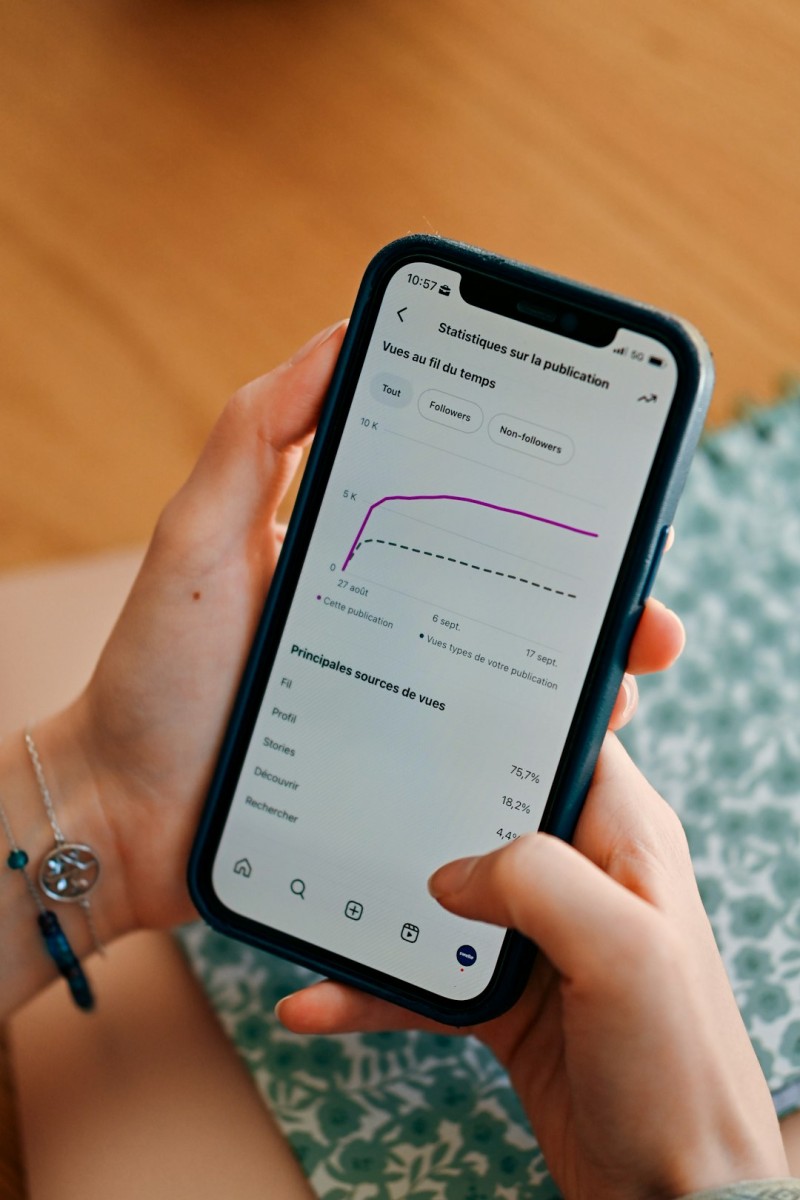
Your best posting time is the hour when your own audience is most likely to act, not the hour a global benchmark says is popular. Use platform analytics, test posting windows for two to four weeks, and judge results by meaningful engagement: saves, comments, shares, clicks, and watch time. Generic timing charts can help you start, but they should never be your final answer.
TLDR: Start with each platform’s built-in analytics, identify when followers are most active, then test three to five posting times per week. For example, a B2B software company might find that LinkedIn posts at 8:30 a.m. Tuesday get a 4.8% engagement rate, while Friday afternoon posts get only 1.6%. Keep the better time, test a nearby slot, and repeat monthly. The goal is not to post more often; it is to post when people are ready to respond.
Why “Best Time to Post” Is Not One Universal Answer
Audience behavior changes by platform, industry, time zone, and content type. A restaurant, a SaaS brand, a fitness coach, and a local law firm will not all win at the same hour. Even within one account, short videos may perform better at night while educational carousels work better in the morning.
The safest rule is simple: use broad timing data only as a starting point. Then rely on your own account data. If your followers work office jobs, weekday mornings may be strong. If your audience is students, evenings may be better. If you sell globally, one “best” time may not exist.

Start With the Right Engagement Signals
Before testing times, decide what success means. Likes are easy to measure, but they are not always the strongest signal. A post with fewer likes may still be more useful if it gets more clicks, saves, replies, or sales.
- Instagram: saves, shares, comments, profile visits, Reel watch time.
- Facebook: comments, shares, link clicks, group interactions.
- LinkedIn: comments, reposts, profile views, document clicks, lead form actions.
- TikTok: completion rate, replays, shares, follows from video.
- X: replies, reposts, link clicks, profile visits.
- Pinterest: outbound clicks, saves, closeups.
- YouTube: click through rate, average view duration, comments, returning viewers.
Honestly, it feels like some scheduling tools hide the useful numbers behind too many clicks. If it takes 20 seconds just to compare two posting times, export the data to a spreadsheet. It is boring, but it gives you cleaner answers.
Recommended Starting Times by Platform
Use these as test windows, not fixed rules. Post quality still matters. A weak post at the “perfect” time will not beat a strong post at a decent time.
- Instagram: Test 7–9 a.m., 11 a.m.–1 p.m., and 6–9 p.m.. Reels often perform well when users are relaxing after work.
- Facebook: Try 9 a.m.–12 p.m. on weekdays. For local communities, early evening can also work.
- LinkedIn: Test 7:30–9:30 a.m. and 12–1 p.m. Tuesday through Thursday. Avoid relying too much on late Friday.
- TikTok: Try 6–10 p.m. and weekend afternoons. Entertainment content often benefits from off-work hours.
- X: Test 8–10 a.m., lunch hours, and major news windows. Posts fade quickly, so timing matters more here.
- Pinterest: Try 8–11 p.m. and weekends. Planning content often works when people are browsing with intent.
- YouTube: Publish 2–4 hours before peak viewing. If viewers watch at 8 p.m., test uploads around 4–6 p.m.
How to Find Your Own Best Posting Time
Follow a controlled process. Random posting creates random data. A simple test plan will usually beat guesswork within a month.
- Check audience activity. Use platform analytics to find when followers are online. Record the top days and hours.
- Choose three to five time slots. Pick realistic windows. Do not test 20 times at once.
- Keep content type consistent. Compare Reels with Reels, not Reels with text posts. Format affects performance.
- Run the test for two to four weeks. One post can be an outlier. Ten to twenty posts give clearer signals.
- Track engagement rate. Use engagement divided by reach, not only total likes. This makes comparisons fairer.
- Review and adjust. Keep your best slot, drop the weakest, and test a nearby time.

Use Time Zones Correctly
Time zones can quietly ruin a good calendar. If most of your customers are in New York, do not schedule only for your office in London. If your audience is split across regions, create separate posting blocks.
For example, a global education brand may test one post at 9 a.m. Eastern Time for U.S. followers and another at 7 p.m. Central European Time for European followers. If the content is evergreen, reposting with a new caption may be reasonable. Just avoid spamming the same message too often.
Platform Specific Timing Tips
Instagram rewards early interaction. If a post gets saves, shares, and comments soon after publishing, it may receive broader distribution. Post when your audience can react, not just scroll. For many brands, that means before work, lunch, or evening downtime.
LinkedIn is tied to work habits. Posts often perform well before meetings begin or during lunch. Strong comments matter. If your audience includes executives, early morning can be effective because many check feeds before the workday gets crowded.
TikTok
TikTok timing matters, but retention matters more. A video with a weak first three seconds will struggle at any hour. Test evening windows, but watch completion rate and replays closely. Those numbers tell you if the content held attention.
Facebook behavior varies by age group and community type. Local pages may see strong evening engagement. B2C brands may do better around lunch or after work. Groups can perform differently from pages, so track them separately.
YouTube
YouTube needs lead time. Posting shortly before peak viewing gives the system time to process the video and notify subscribers. Watch your “when your viewers are on YouTube” report, then publish a few hours earlier.
Common Mistakes That Distort Results
- Testing during holidays only. Seasonal behavior can mislead you.
- Changing too many variables. If format, caption, topic, and time all change, you cannot tell what worked.
- Ignoring paid promotion. Boosted posts should not be compared with organic posts.
- Using vanity metrics only. A post with many likes but zero clicks may not support your business goal.
- Stopping too soon. One poor post does not prove a time slot is bad.
Expect to waste time on messy exports and inconsistent platform labels. One tool calls it “interactions,” another says “engagements,” and a third splits clicks into several categories. Define your own terms before reporting to a team.
A Practical Monthly Review Template
At the end of each month, review your top posts by platform. Build a small table with date, time, format, topic, reach, engagement rate, clicks, and notes. Then answer three questions:
- Which time slots produced the highest engagement rate?
- Which formats performed best at those times?
- Did the posts support the real goal, such as leads, sales, signups, or community replies?
If Wednesday at 8 a.m. wins twice, test 7:30 a.m. and 8:30 a.m. next month. If Sunday night drives saves but not clicks, use it for educational content rather than sales posts. Treat timing as a repeating optimization task, not a one-time setting.
Final Recommendation
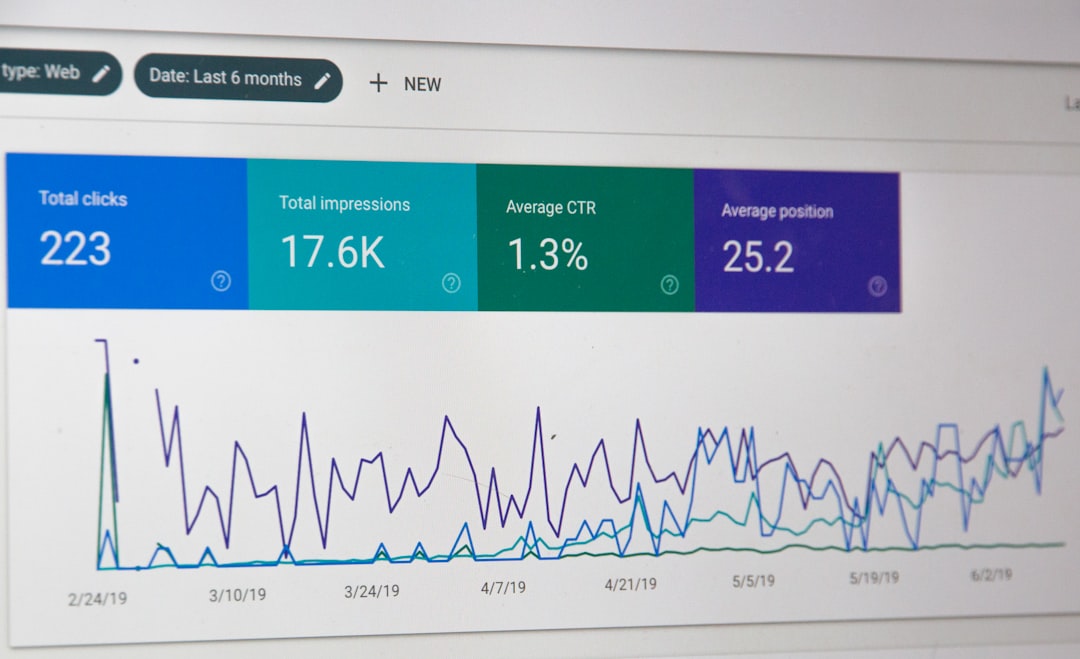
The best posting time is found through measured testing, not copied from a generic chart. Start with known high-activity windows, post consistently, and review performance every month. Give each platform its own schedule. Most of all, judge timing by the actions that matter to your business. When the right content meets the right audience at the right hour, engagement becomes far more predictable.

